Our Work

Field-based research, education, and partnerships advancing wildlife conservation and resilient landscapes across the Borderlands.

Work Banner

CONSERVATION BIOLOGY RESEARCH

Overview

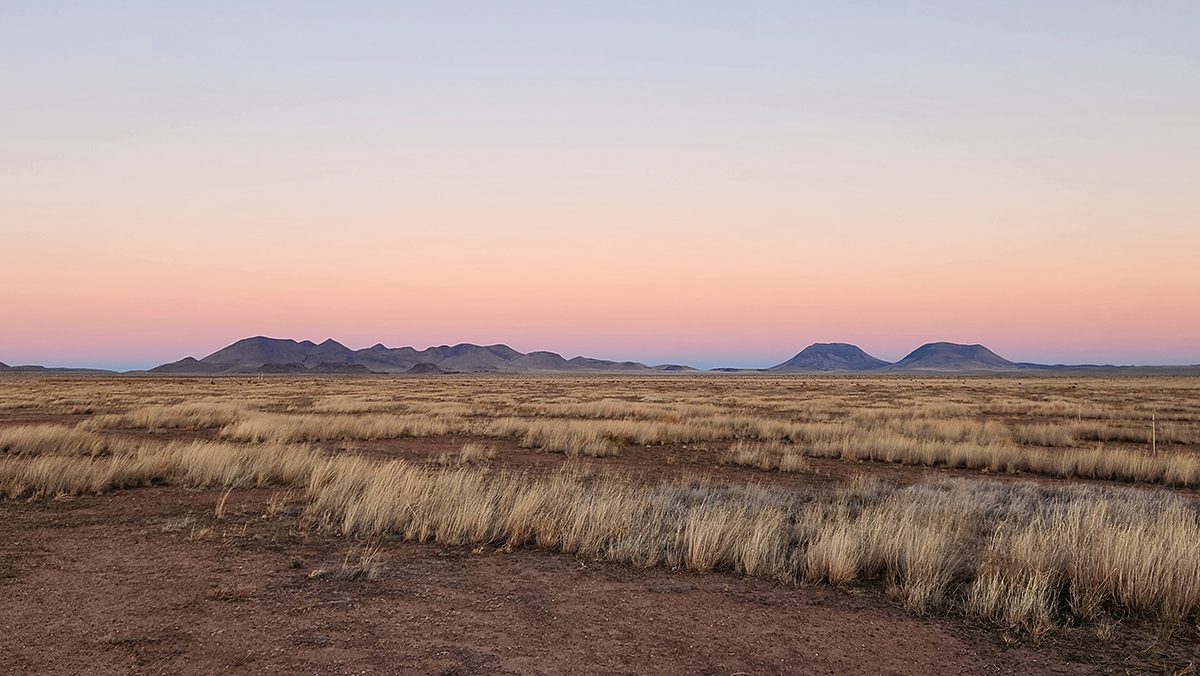
Across the Texas Borderlands region, a wide variety of gradients interplay to yield incredible biotic diversity. Elevation, precipitation and temperature interact to create “sky island” ecosystems that are relatively cooler and wetter than the surrounding hot, dry lowlands. A rich geologic history gives rise to numerous soil types, which in turn yield different vegetation communities across the sky island gradient. Vegetation communities affect how the land can be used by livestock, wildlife and people. Borderlands Research Institute faculty, staff, and students study rangelands, watersheds, riparian forests, desert mountain ecosystems, and the wildlife that depend on these resources to support the people and the natural resources of the Trans-Pecos.
  • Bird Conservation
  • Carnivores
  • Human Dimensions (change from Landscape Ecology)
  • Small Mammals

Bird Conservation

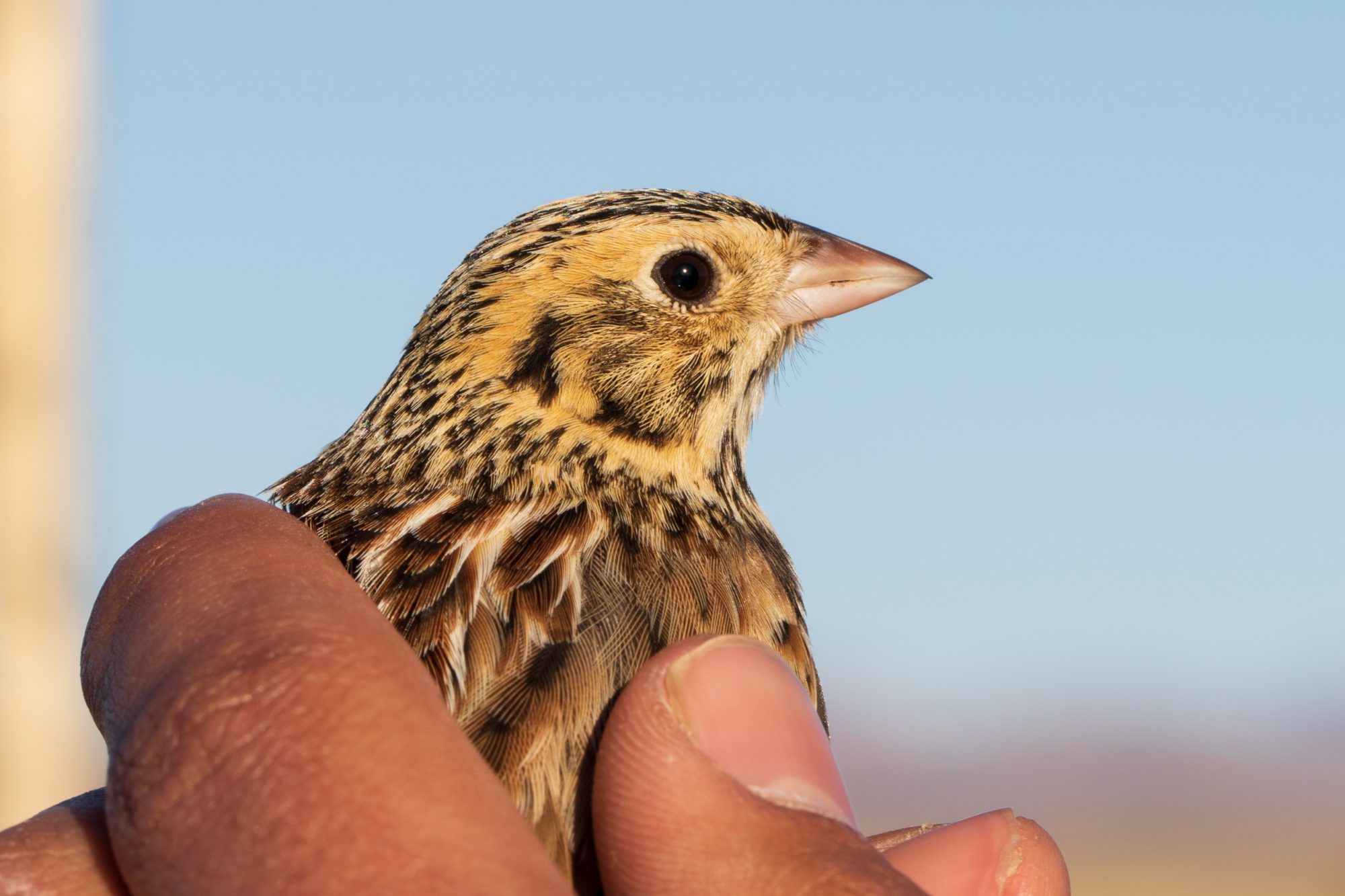
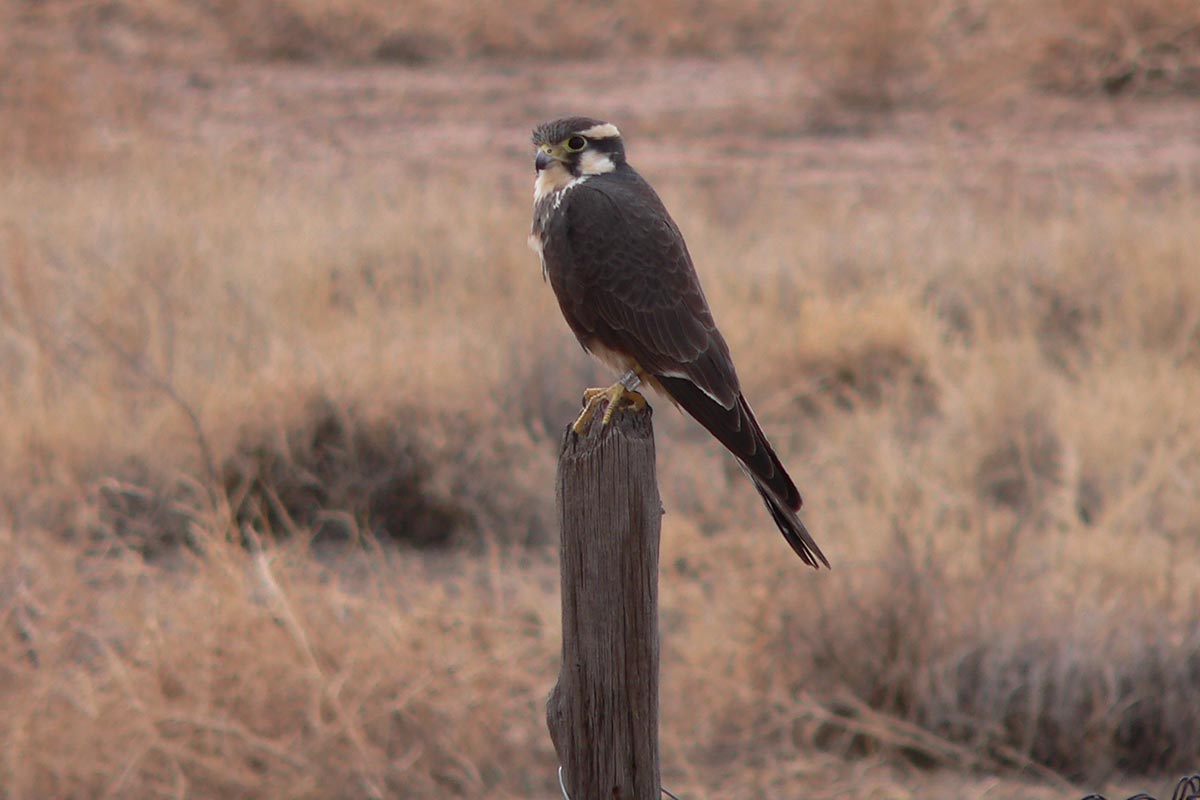
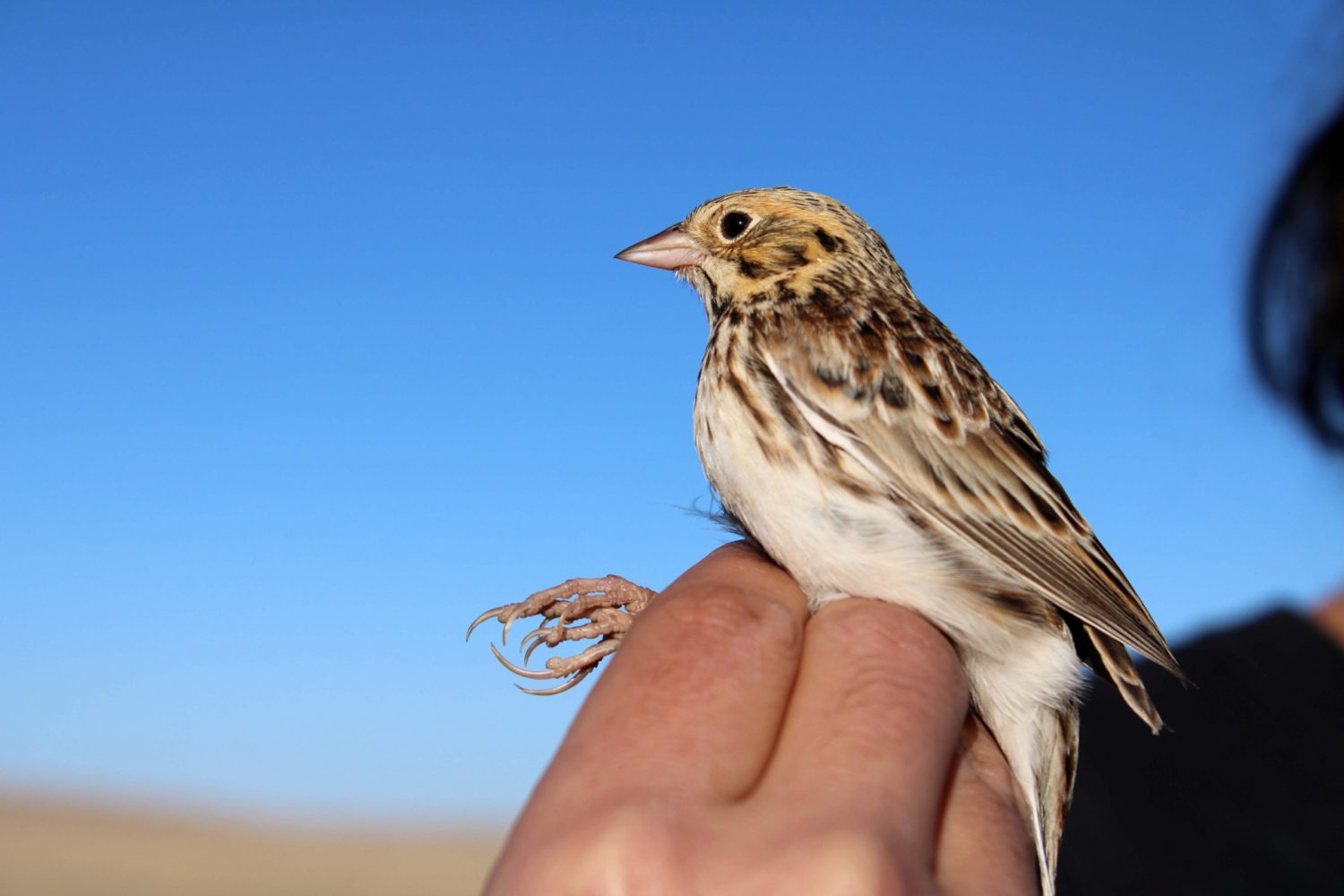
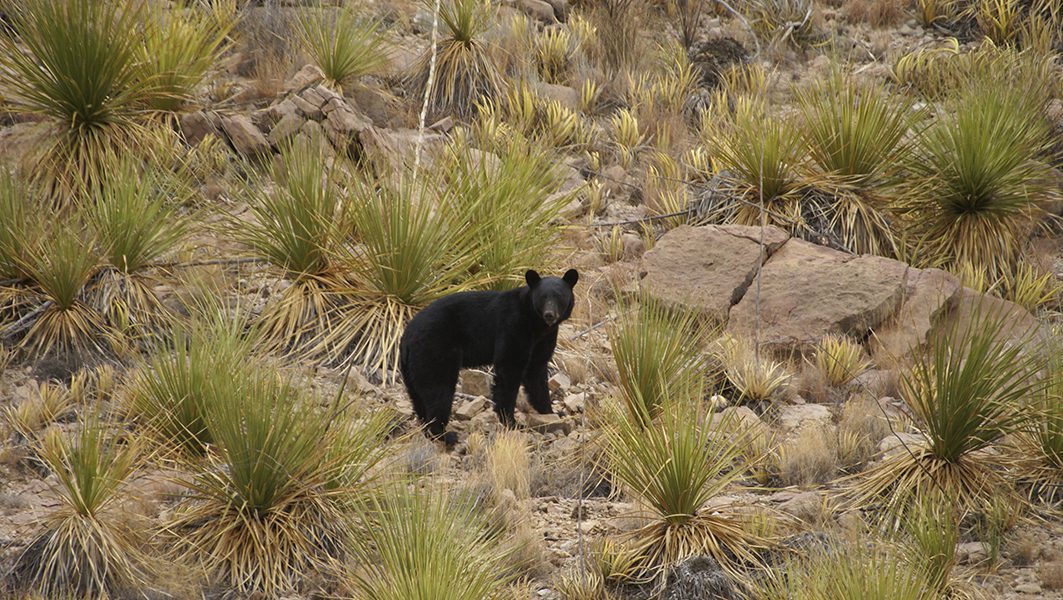
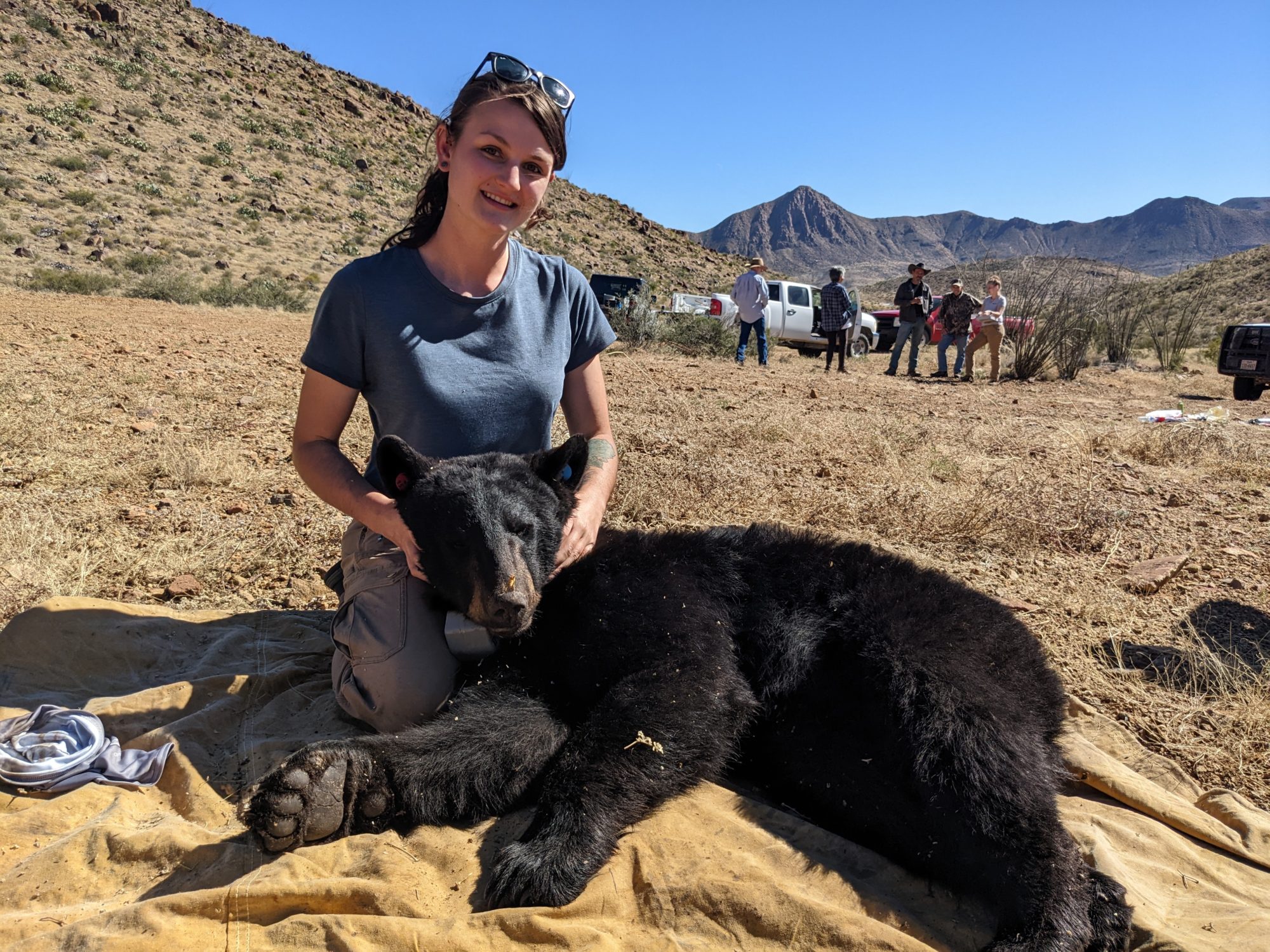
Historic changes in land use across the Trans-Pecos have impacted wildlife populations. More than 80% of migratory grassland birds winter in the Chihuahuan Desert grasslands, and these species face some of the steepest population declines of all North American birds. Understanding the drivers of these declines can guide the actions of land managers who want to help reverse these trends. In the not-so-distant past, black bears were removed from the Trans-Pecos, but their populations have begun to rebound. Understanding these large animals, their movements, and their overlap with human populations can reduce the likelihood of conflict with people, benefiting both wildlife and humans who live in bear country.

Carnivores

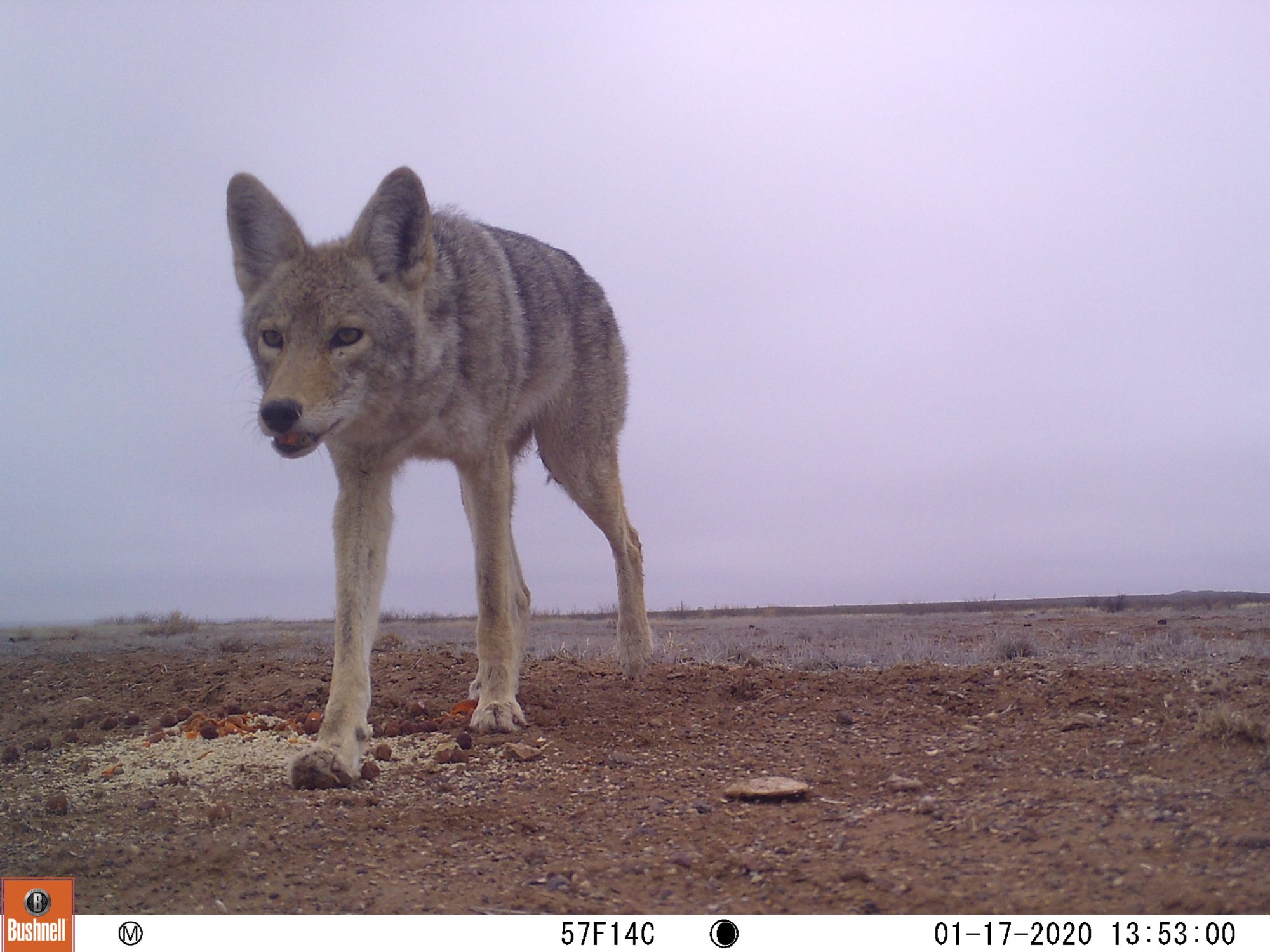
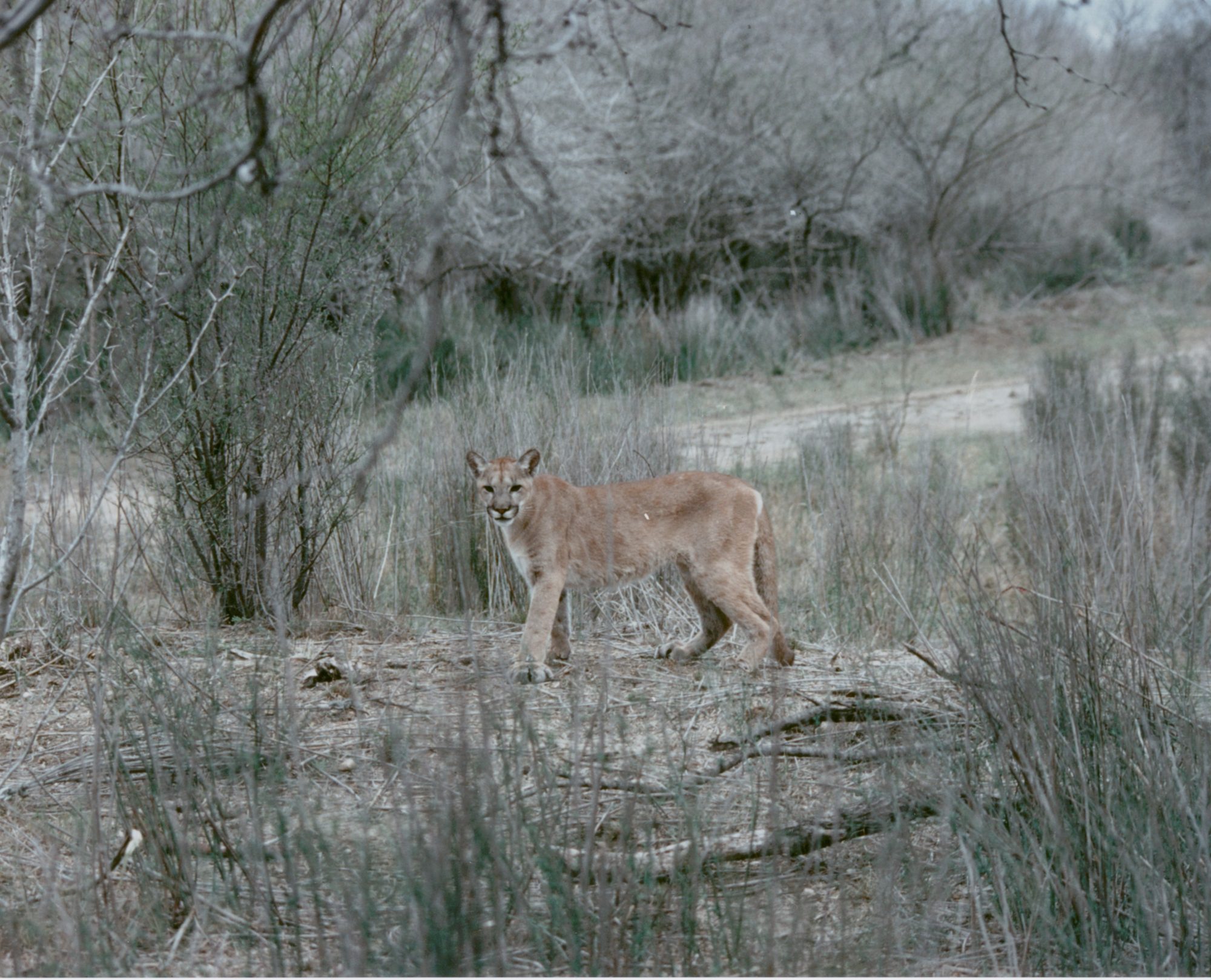
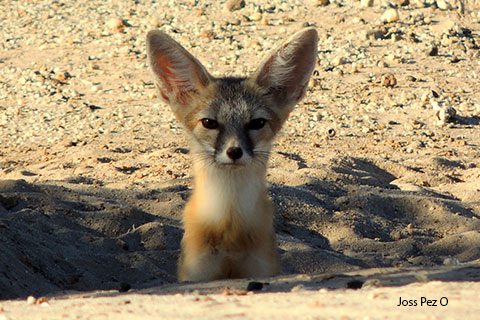
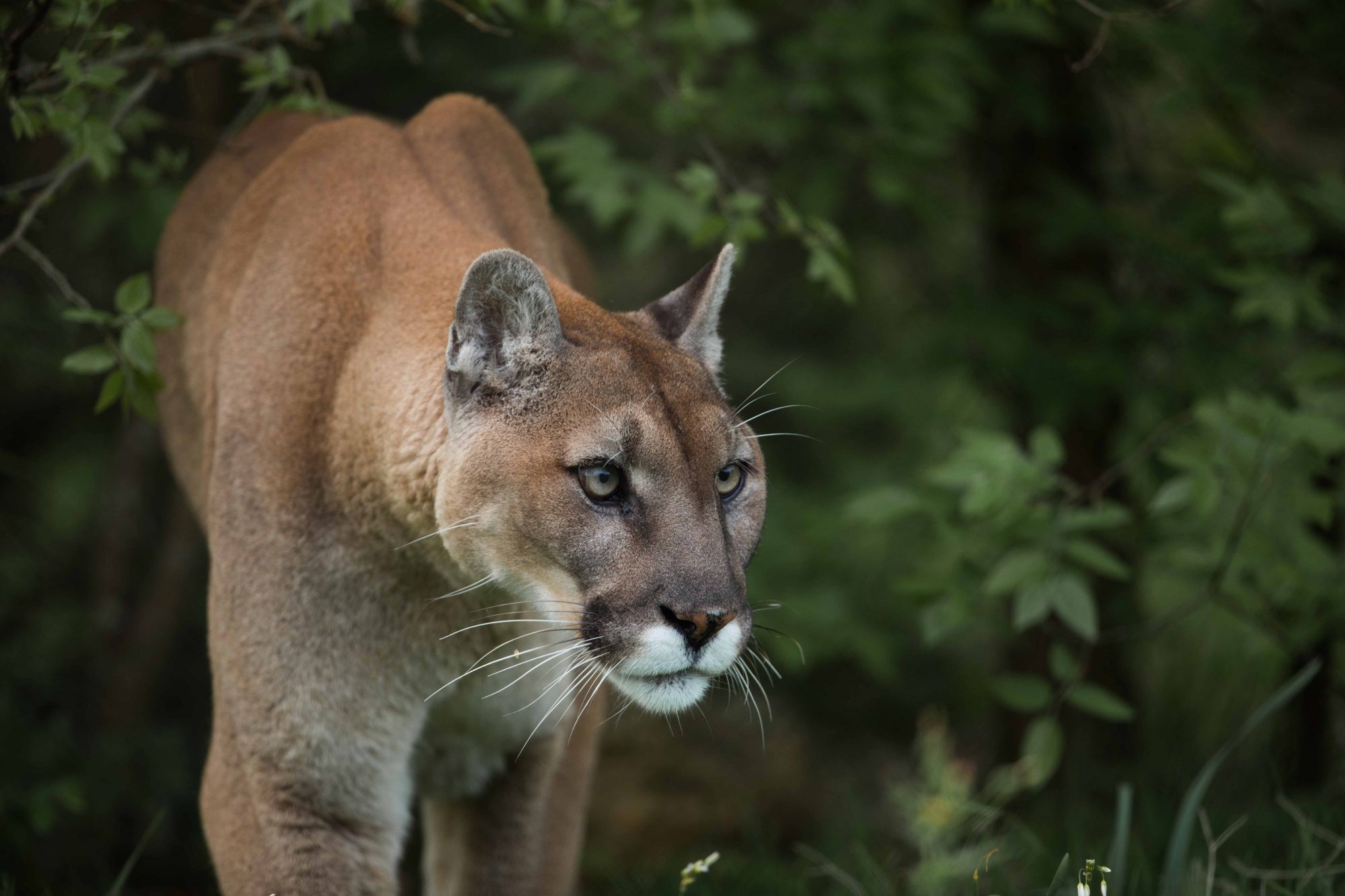
Across the Trans-Pecos, carnivores roam the land. BRI researchers and students study carnivore biology, habitat, movement, home ranges, and interactions with humans. Some carnivores, like mountain lions and black bears, can occupy large areas of land. On a predominantly private-land landscape, they make use of terrain across multiple ranches and communities. Knowledge of carnivore food habits — where and when they are hunting and what they are consuming — is necessary to understand the relationship between predator and prey populations in West Texas. These efforts help us better understand the role that carnivores play in the environment and provide recommendations for policy and management efforts. Recent research includes the tracking and monitoring of mountain lions, black bears, kit foxes, coyotes, and other mesocarnivores. We use a variety of tools, including satellite tracking devices and wildlife cameras, to monitor carnivores throughout the Trans-Pecos.

Human Dimensions

From the prairie grasslands to the forested mountain ranges, and the communities and people in between, the Trans-Pecos has a vast and diverse landscape. Our efforts explore relationships among wildlife, habitat, human values, human impacts, dark skies, and economics, to name a few. We partner with local, state, and national organizations to understand both people and nature in the Trans-Pecos landscape.

Pollinators

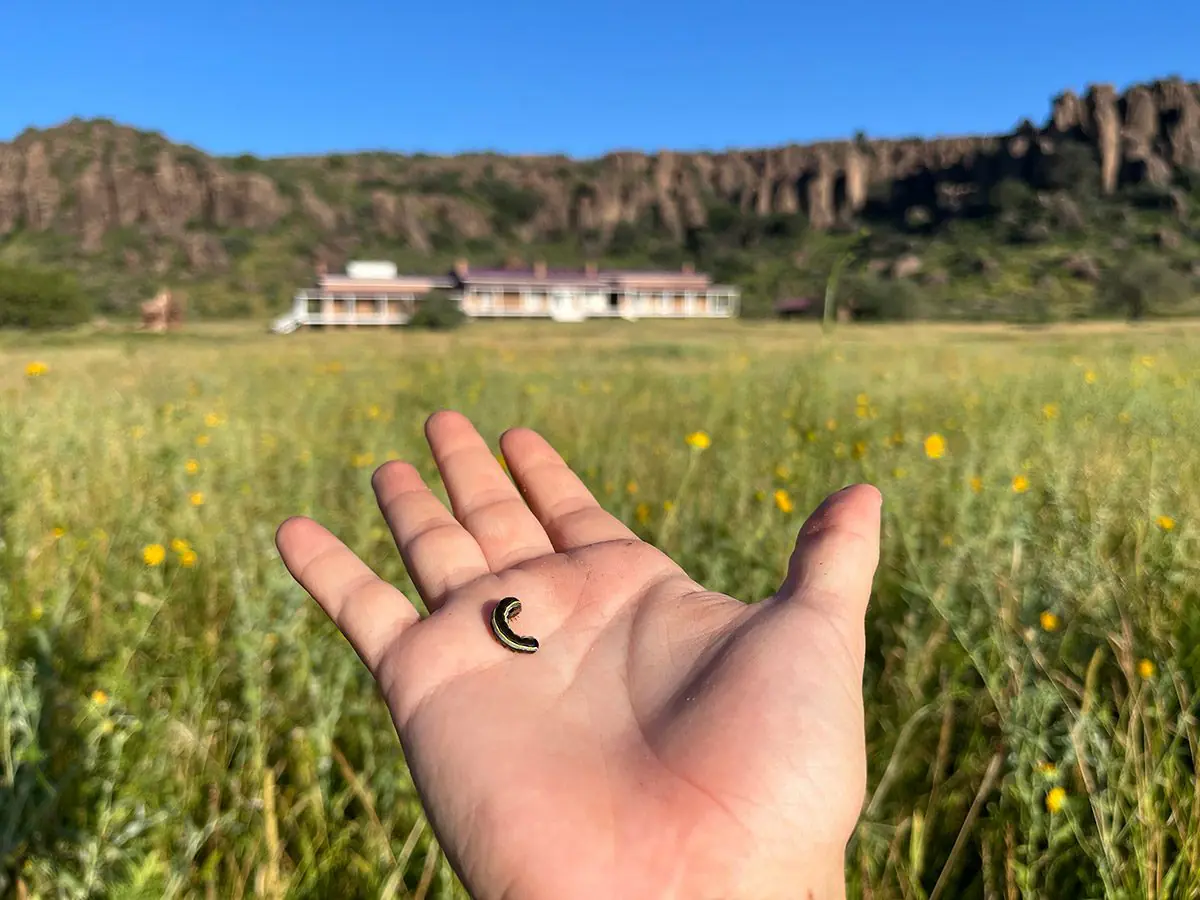
Pollinators are essential to healthy ecosystems, supporting the reproduction of flowering plants that provide food and habitat for wildlife across the Chihuahuan Desert Borderlands. Native bees, butterflies, moths, hummingbirds, and other pollinating species contribute to biodiversity, ecosystem resilience, and agricultural productivity. However, habitat loss, invasive species, drought, and changing climate conditions pose growing challenges to pollinator populations. BRI researchers work with landowners and conservation partners to better understand pollinator ecology, habitat needs, and the role these species play in sustaining healthy landscapes. Through research and monitoring, we aim to inform conservation and land management practices that benefit both pollinators and the broader ecosystems that depend on them.

Small Mammals

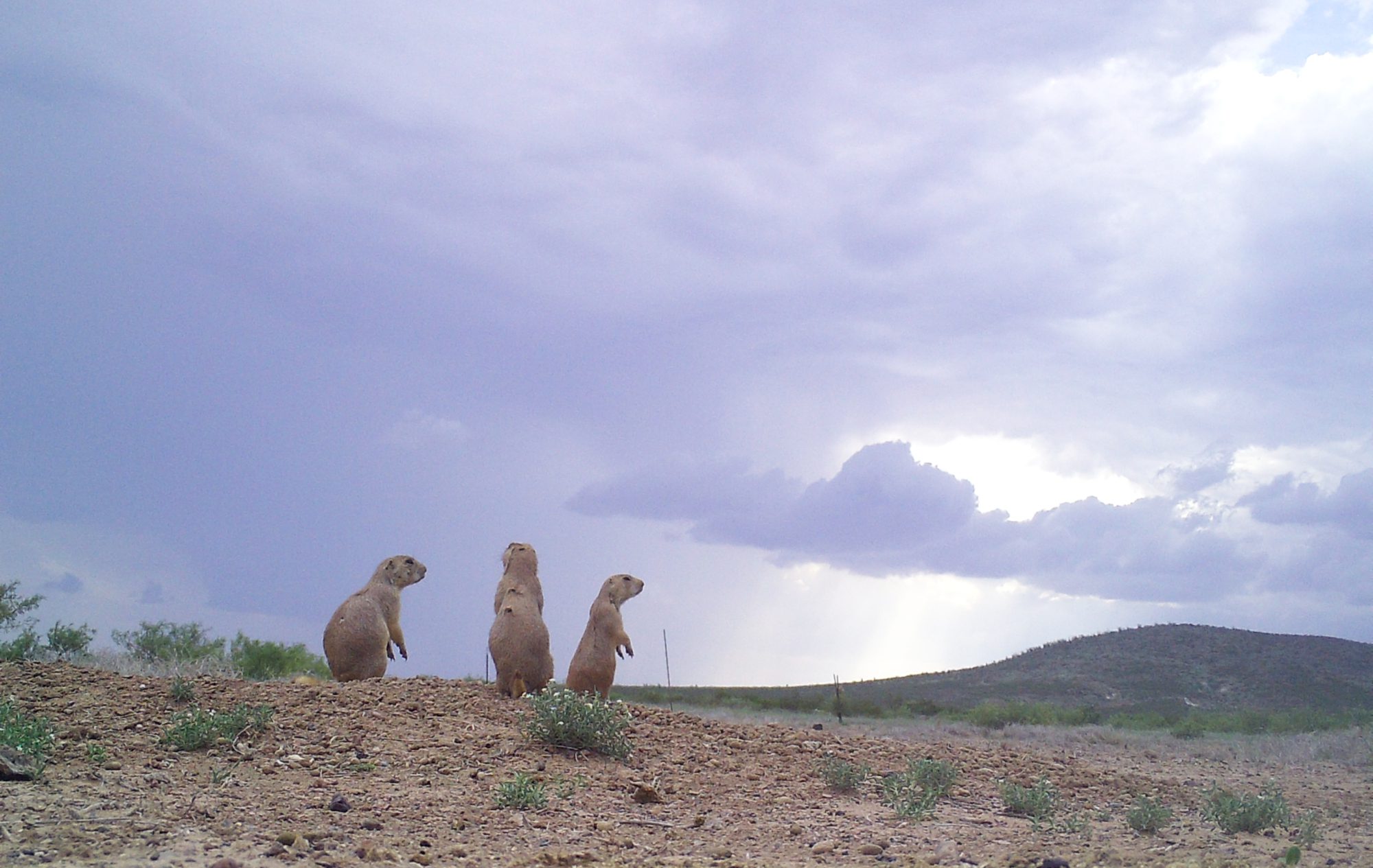
Small mammals, such as prairie dogs and mice, play important roles in the Trans-Pecos desert ecosystems. By consuming seeds, they influence the plant community. Through digging and creating burrows, they help aerate the soil, making it more hospitable to plants and better able to absorb moisture. Small mammals are also a significant source of prey for many larger mammals and birds of prey. They typically occupy relatively small home ranges and are dependent on the appropriate resources in that area for their survival. Their presence (or absence) in an area can tell us a lot about the condition of that ecosystem. Small mammals have a relatively short lifespan, and communities can change rapidly, so they serve as good indicator species for changes occurring in the environment.