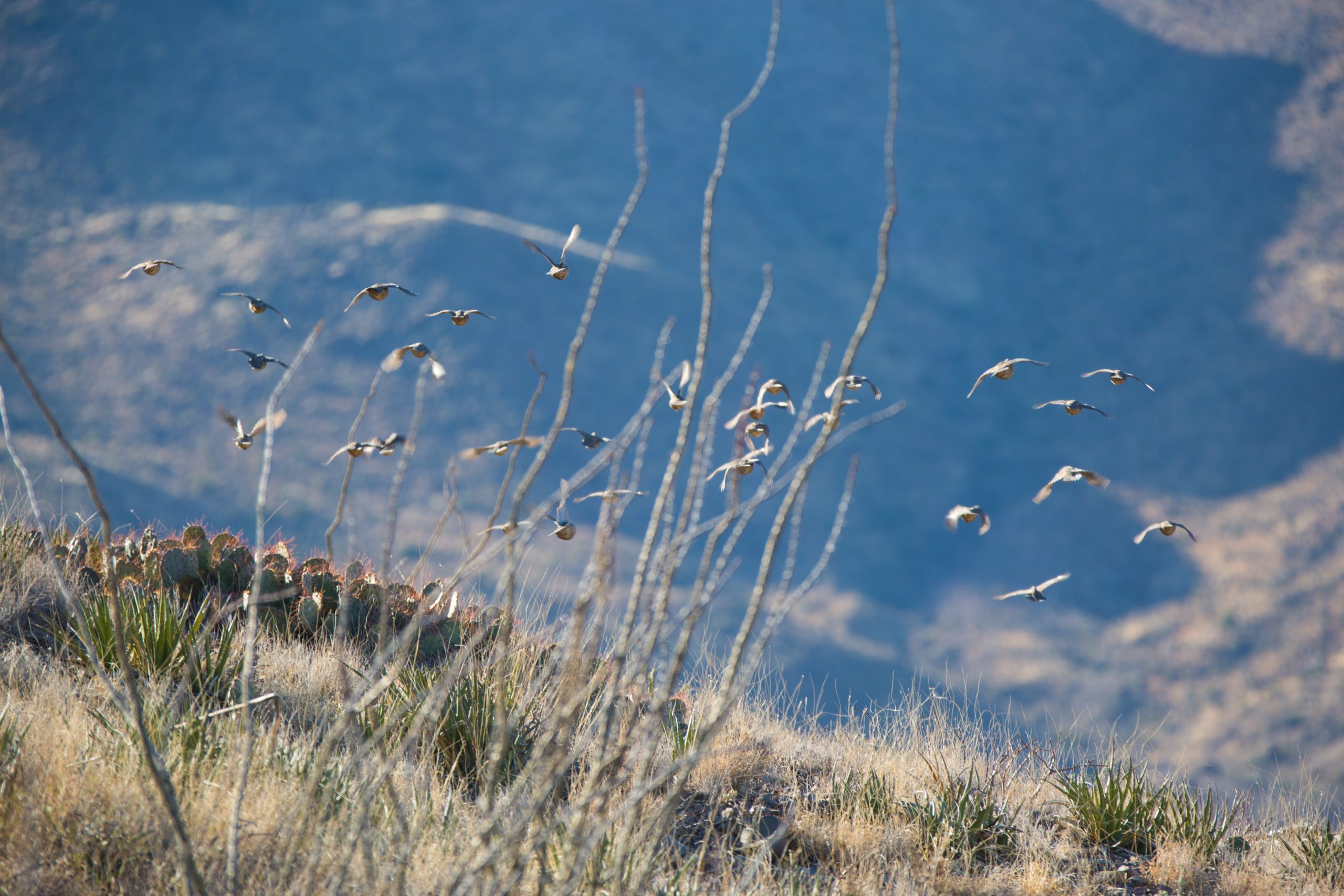
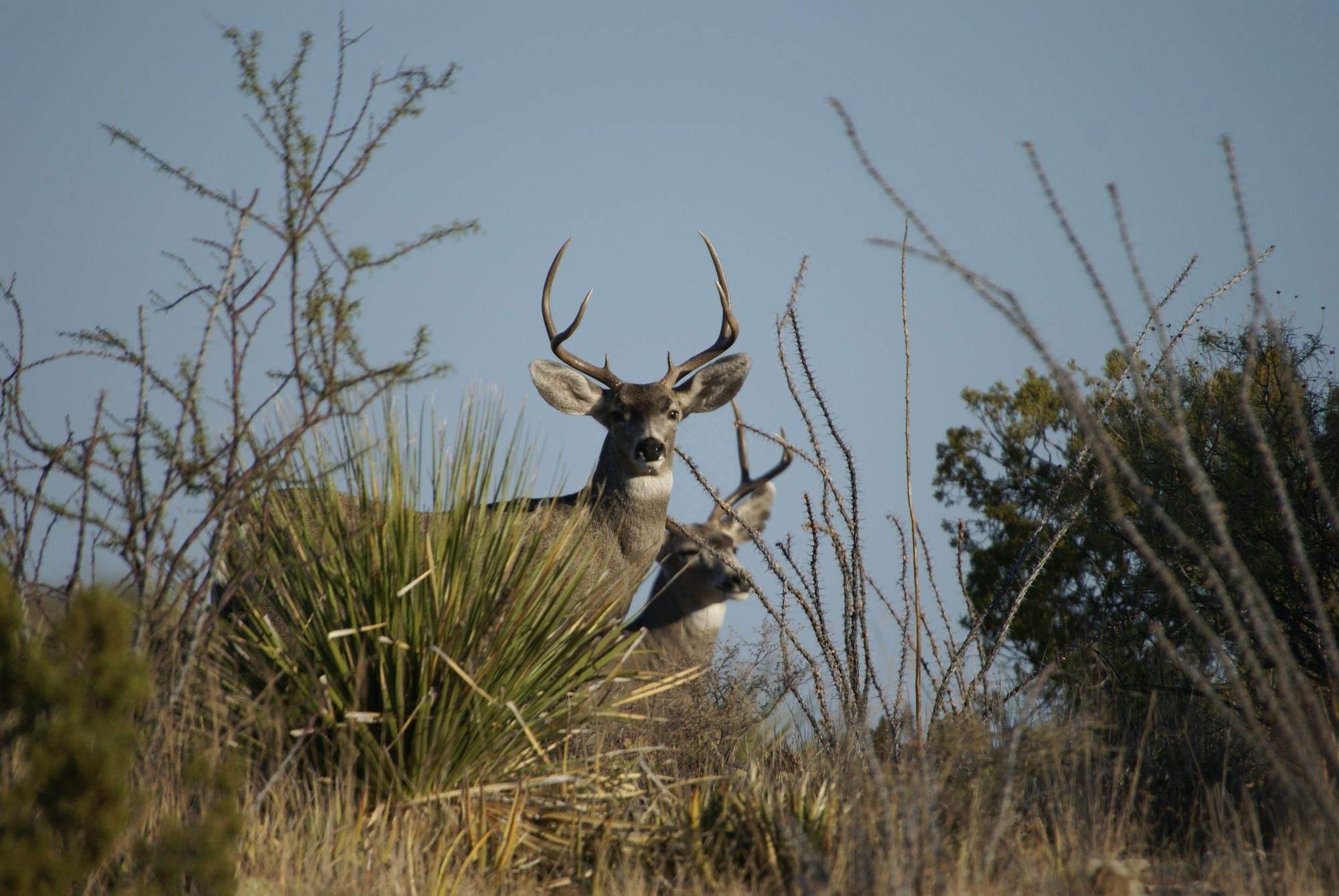
If there is one term that best describes the topography and biology of the greater Big Bend region, it is diverse. High mountain ranges erupt from sparse desert floors, with grasslands interspersed in the low to mid elevations, and water sources scattered throughout.
Implementing artificial water sources (e.g., water troughs, guzzlers, and catchments) for wildlife is a prevalent wildlife management practice in the…
ALPINE, Texas – Helping landowners make the best decisions about how to effectively steward their properties is a key focus…
Jose Etchart’s parents came to the United States from their native Chihuahua, Mexico, for the same reason that has drawn…
Getting away and taking time for yourself is important. Many people get away and take a break from a busy…
When people think of West Texas, they might think about hiking through Big Bend National Park or checking out the…
ALPINE, Texas – The Borderlands Research Institute (BRI) at Sul Ross State University and the U.S. Fish and Wildlife Service…
ALPINE, TX – Residents of West Texas are invited to attend a free webinar on June 16 from 12:00-1:00 pm…
The black-tailed prairie dog (Cynomys ludovicianus) plays an important role in maintaining ecological integrity in western grasslands. A 2010 Texas…
Prairie dog conservation can be a controversial topic, but the more we learn about them, the more misperceptions can be…
ALPINE TX – The National Fish and Wildlife Foundation (NFWF) and ConocoPhillips has awarded a grant of more than $180,000…
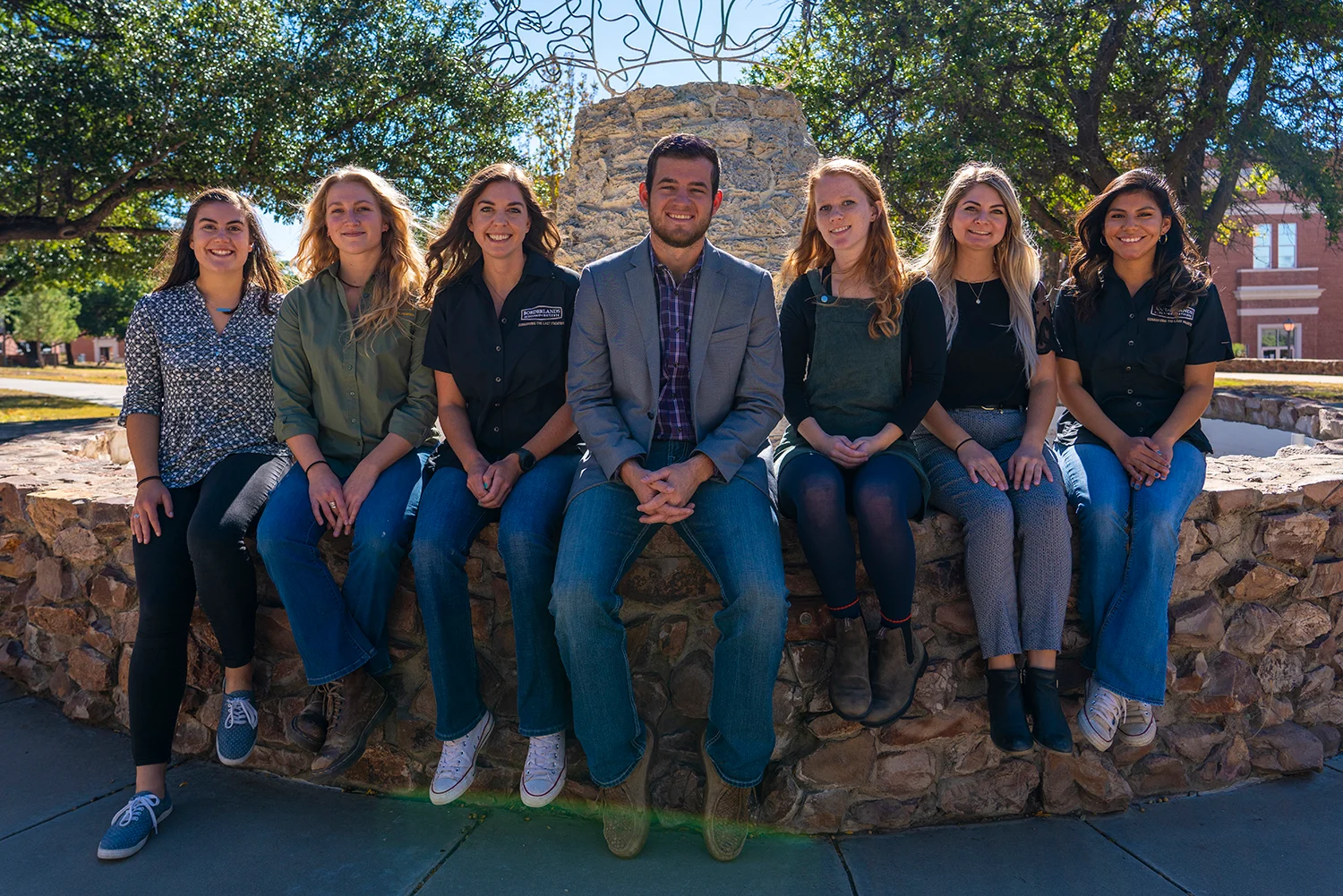
The most recent cohort of BUMP students, pictured left to right: Jason Crosby, Ty Goodwin, Janette Martinez, Ryan Keeling, and…