Our Work

Field-based research, education, and partnerships advancing wildlife conservation and resilient landscapes across the Borderlands.

Work Banner

Big Game Research

Overview

The Chihuahuan Desert Borderlands feature an unparalleled diversity of big game species, including desert mule deer, pronghorn, desert bighorn, Carmen Mountain white-tailed deer, aoudad, and elk. Each species has unique management considerations, so appropriate solutions must adapt to changing resources, habitats, and goals by using flexibility and ingenuity. Our research team is committed to understanding the variety of processes that shape these species’ populations and distributions to achieve a variety of management goals, not just rubber-stamping blanket solutions on complicated problems. We can provide reliable information to guide land managers through complicated challenges.
Desert Bighorn

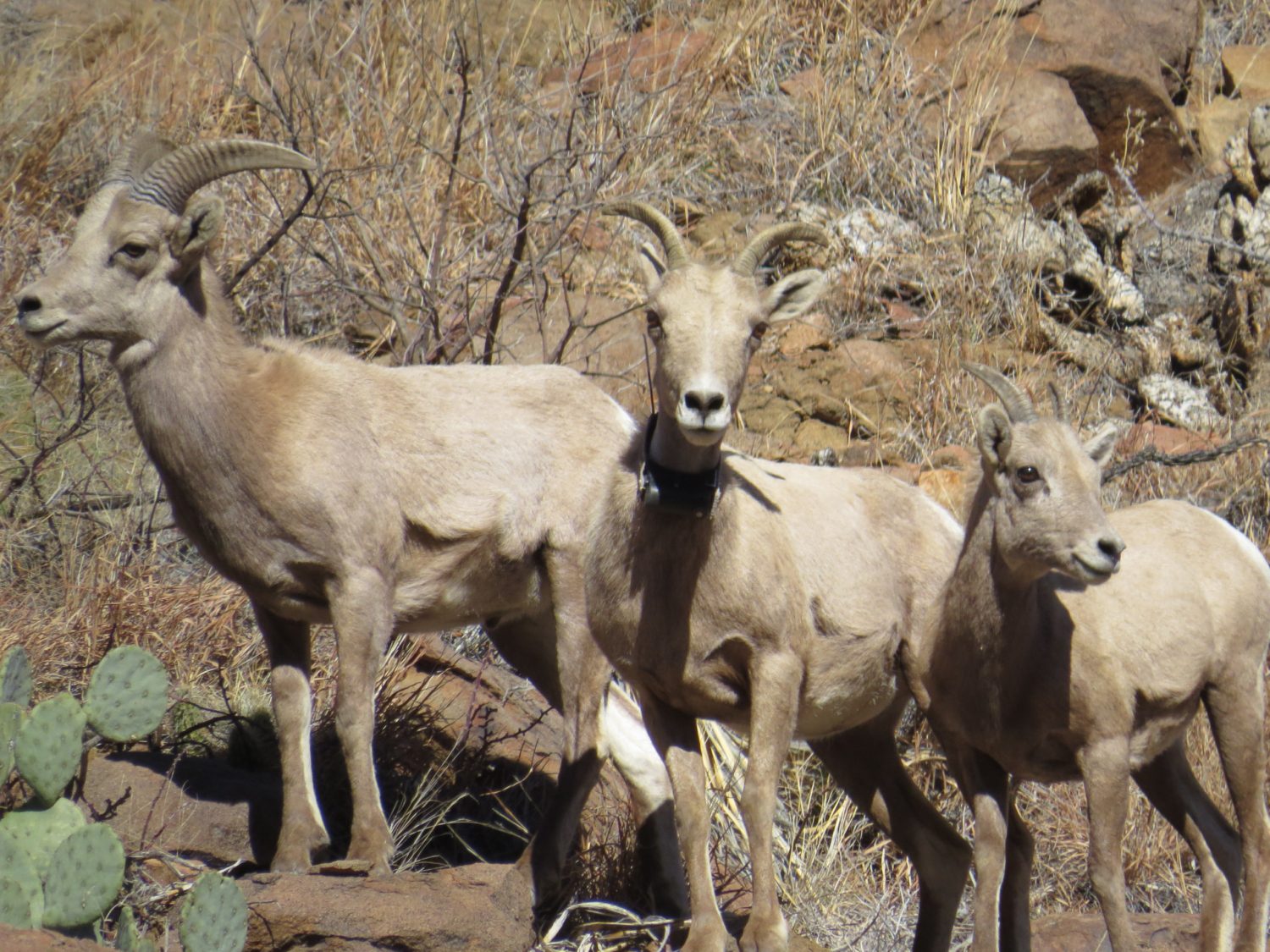
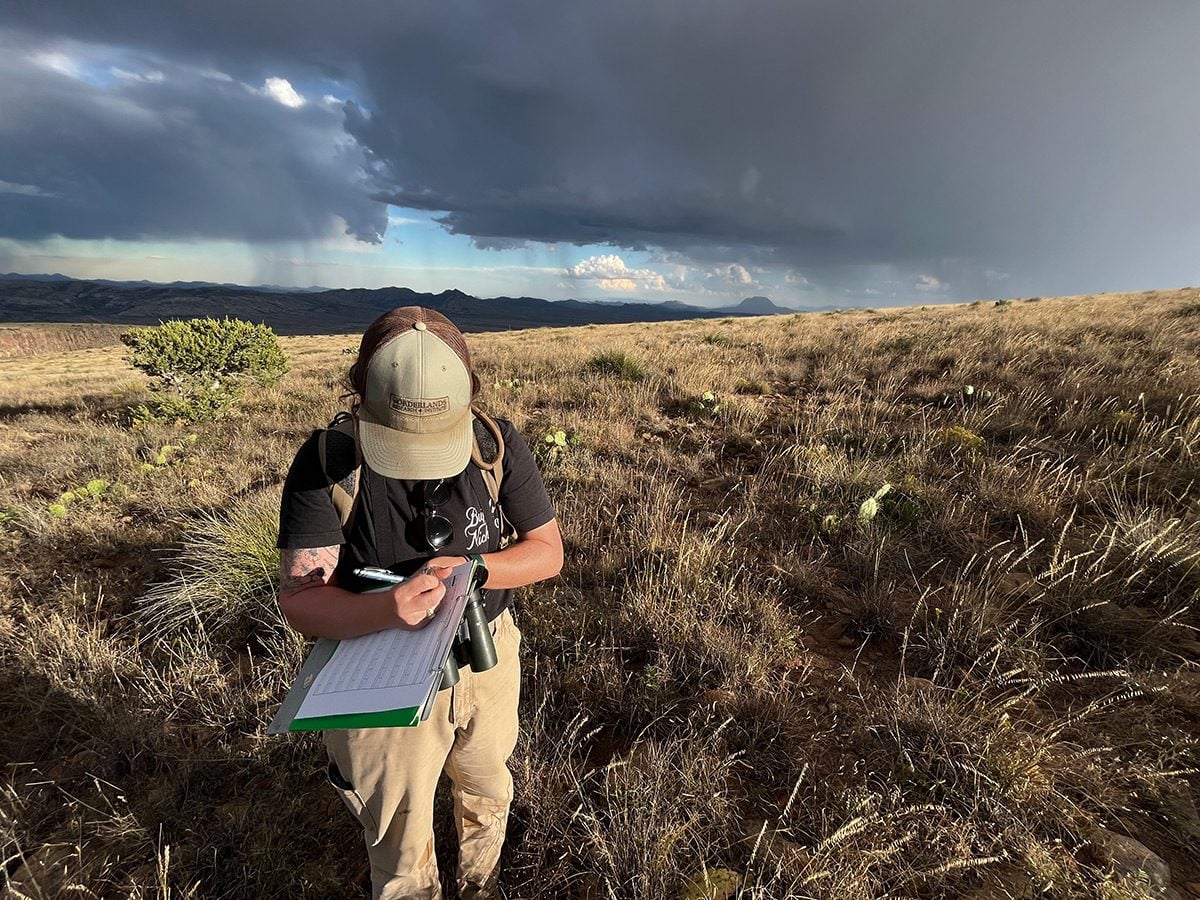
Desert bighorn sheep (Ovis canadensis), one of three living subspecies of bighorn sheep, once roamed 16 Texas mountain ranges. In the late 1800s, Texas populations of desert bighorn were thought to number between 1,000 and 1,500 individuals, and by the 1930s, population numbers fell to around 300 individuals in only four ranges. By 1960, desert bighorns were gone from the state. Successful desert bighorn restoration is important to the ecology of the Trans-Pecos region, so what is the driving force behind managing this new population successfully? Our work is rooted in the creation of collaborative partnerships with agencies and private landowners.

Desert Mule Deer

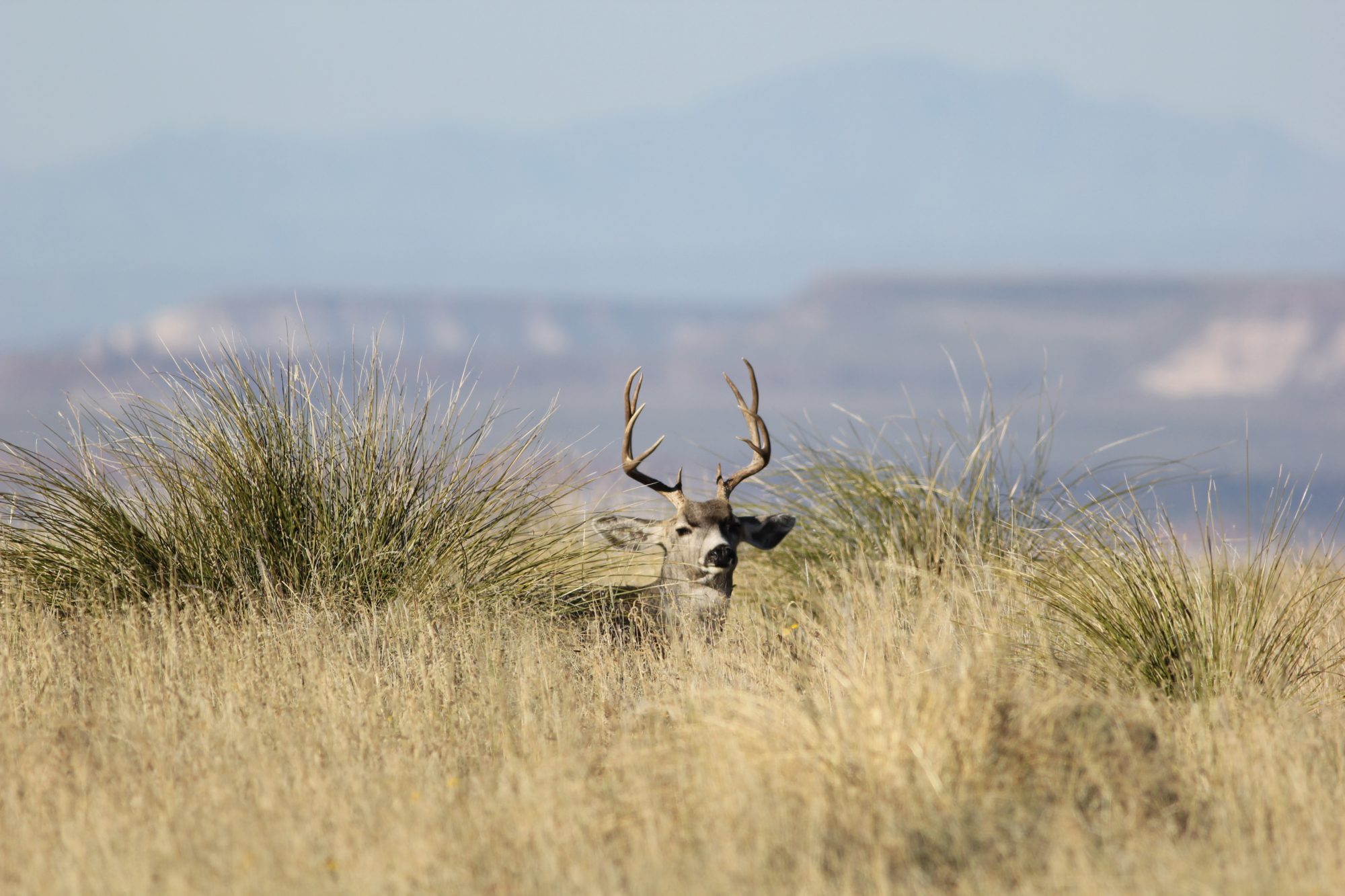
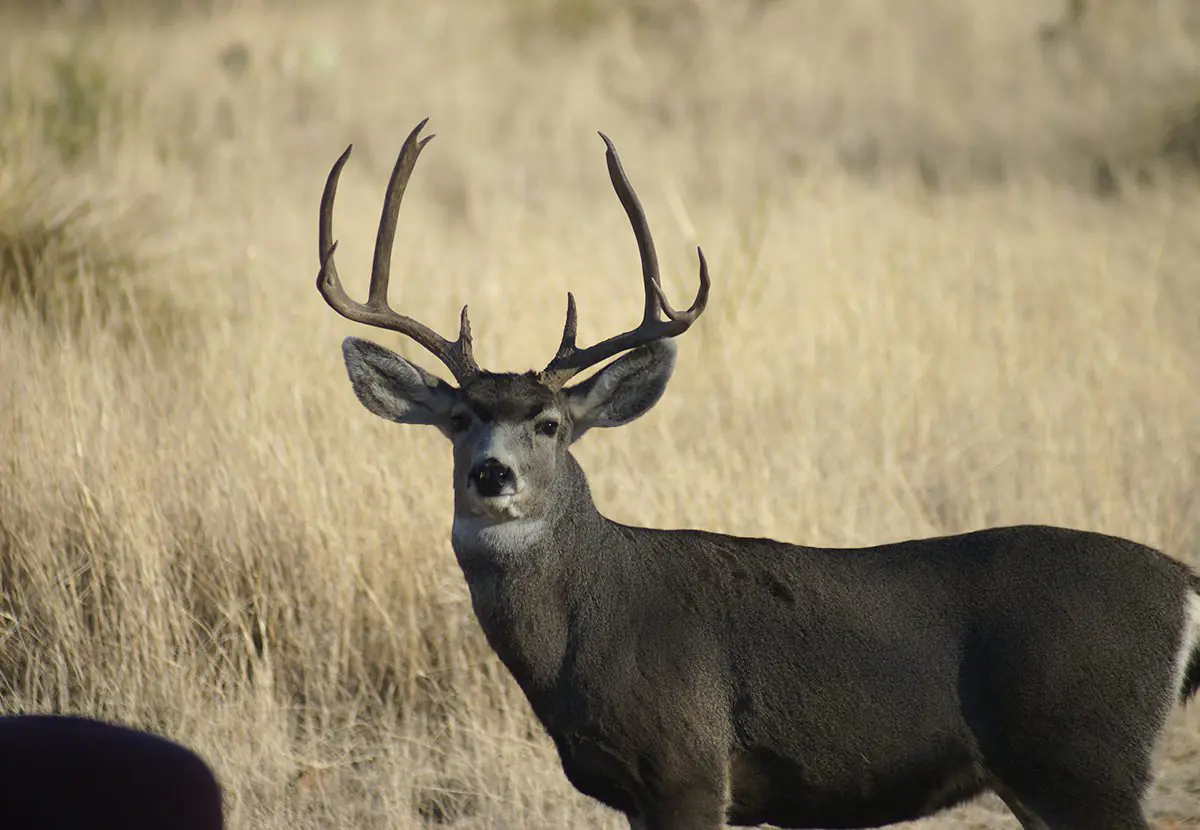
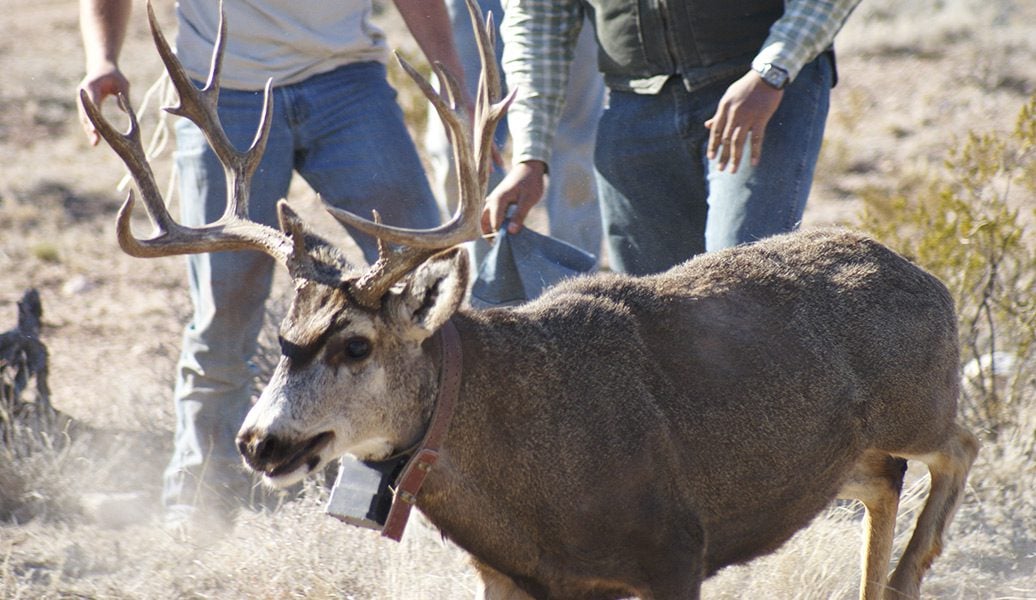
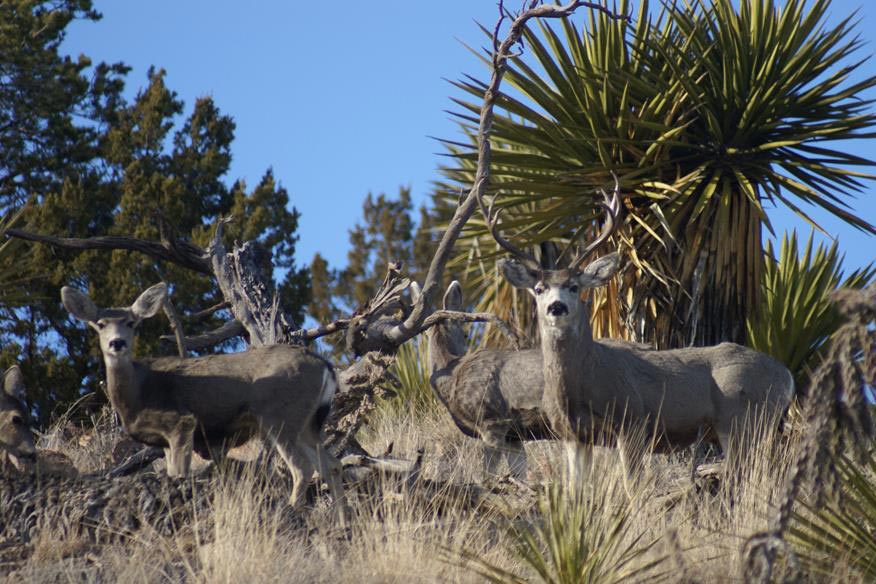
Desert mule deer (also known as “mulies” or “blacktails”) are the largest native deer found in Texas. They can be distinguished from white-tailed deer by their bifurcated antlers, differences in facial markings, ears, tail, and length of the metatarsal gland. They also differ from white-tailed deer in their general behavior, food habits, population dynamics, and habitat preferences. Many land managers have had inconsistent results when applying whitetail management techniques to mule deer herds. Most of the state's 100,000–250,000 population (varies in wet/dry periods) resides in the Trans-Pecos region; a small population (less than 20%) can be found in the Texas Panhandle. BRI strives to be a national leader in deer research and management of this cornerstone species of the Chihuahuan Desert Borderlands.

Pronghorn

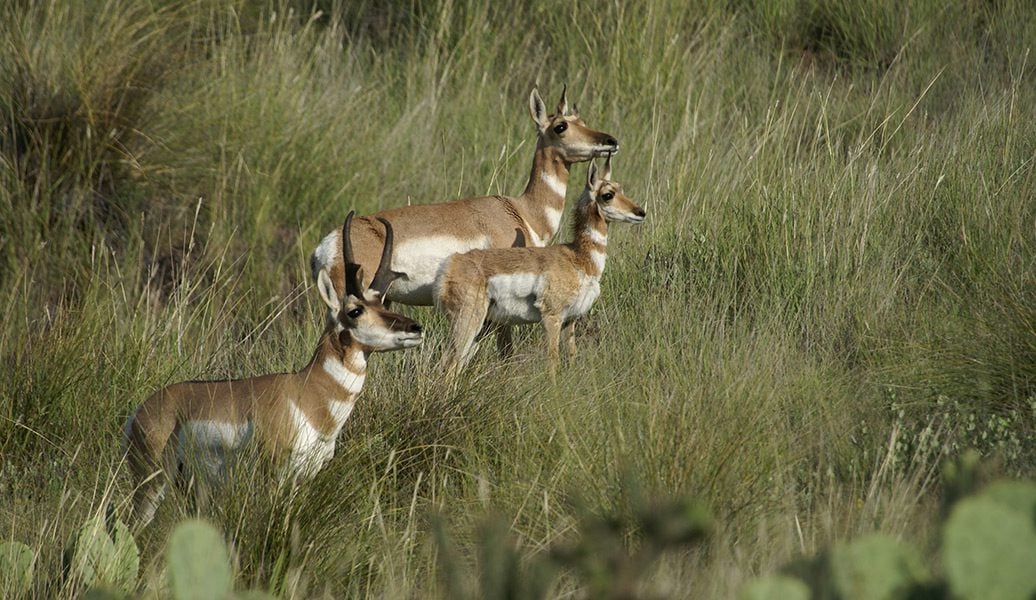
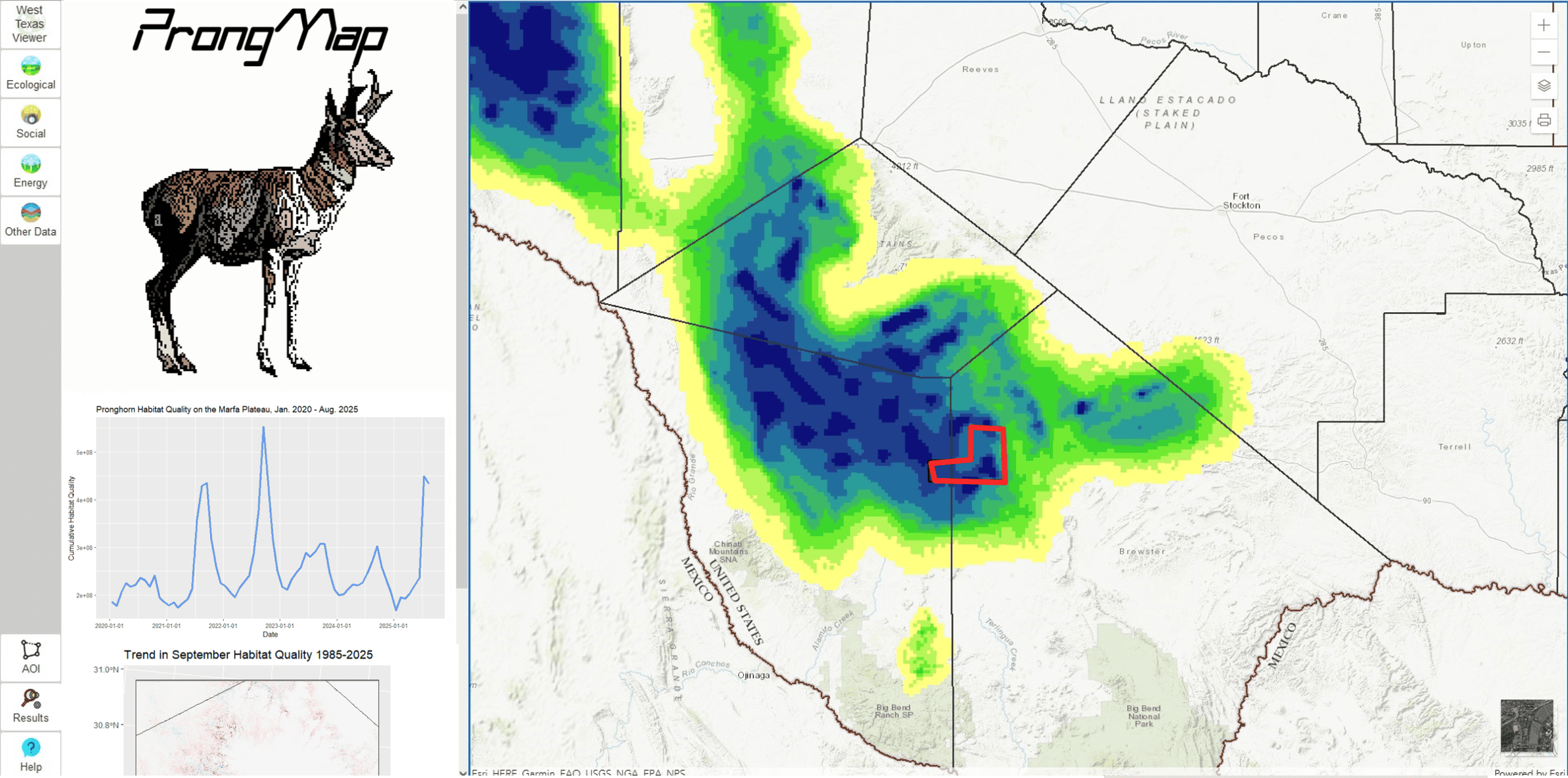
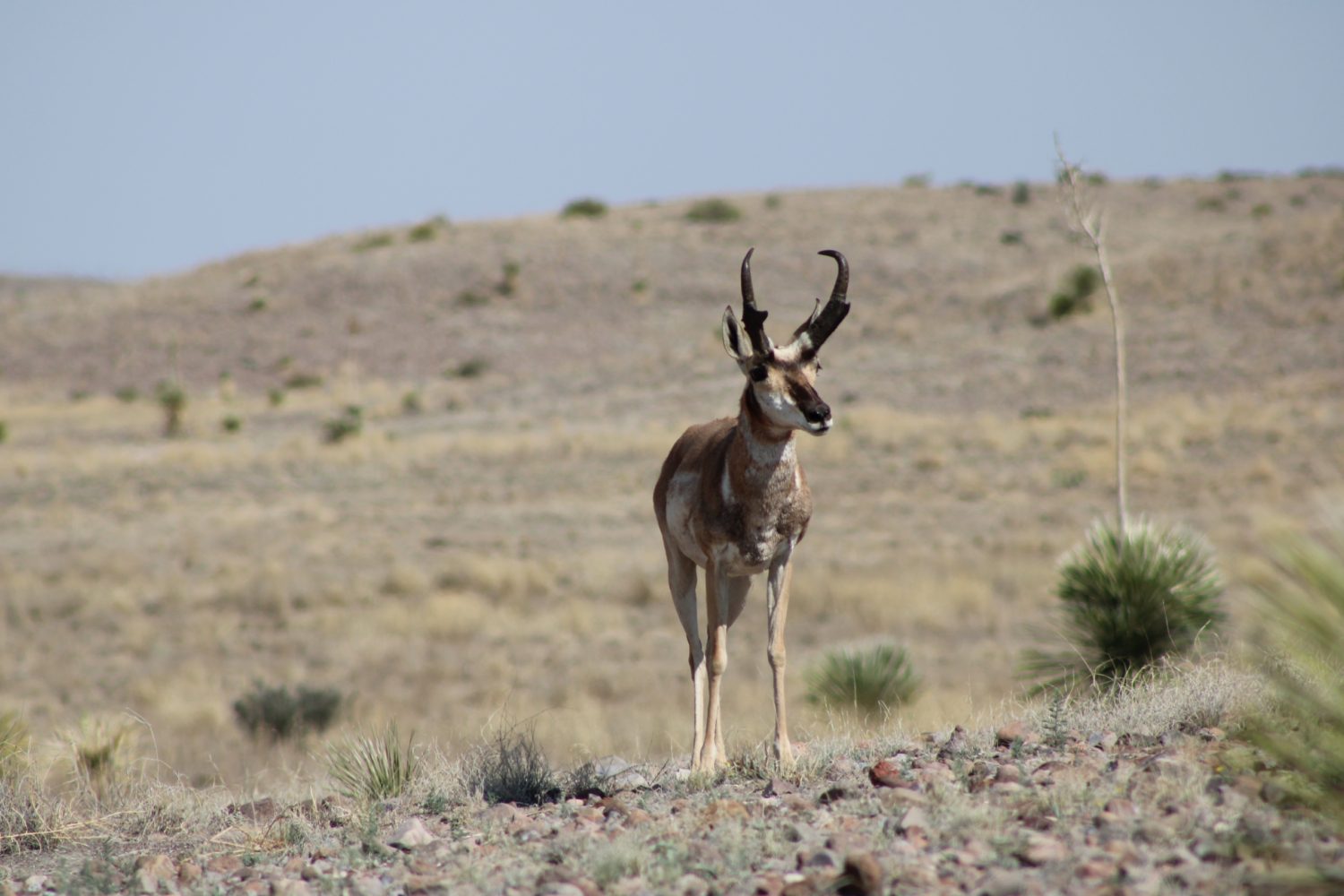
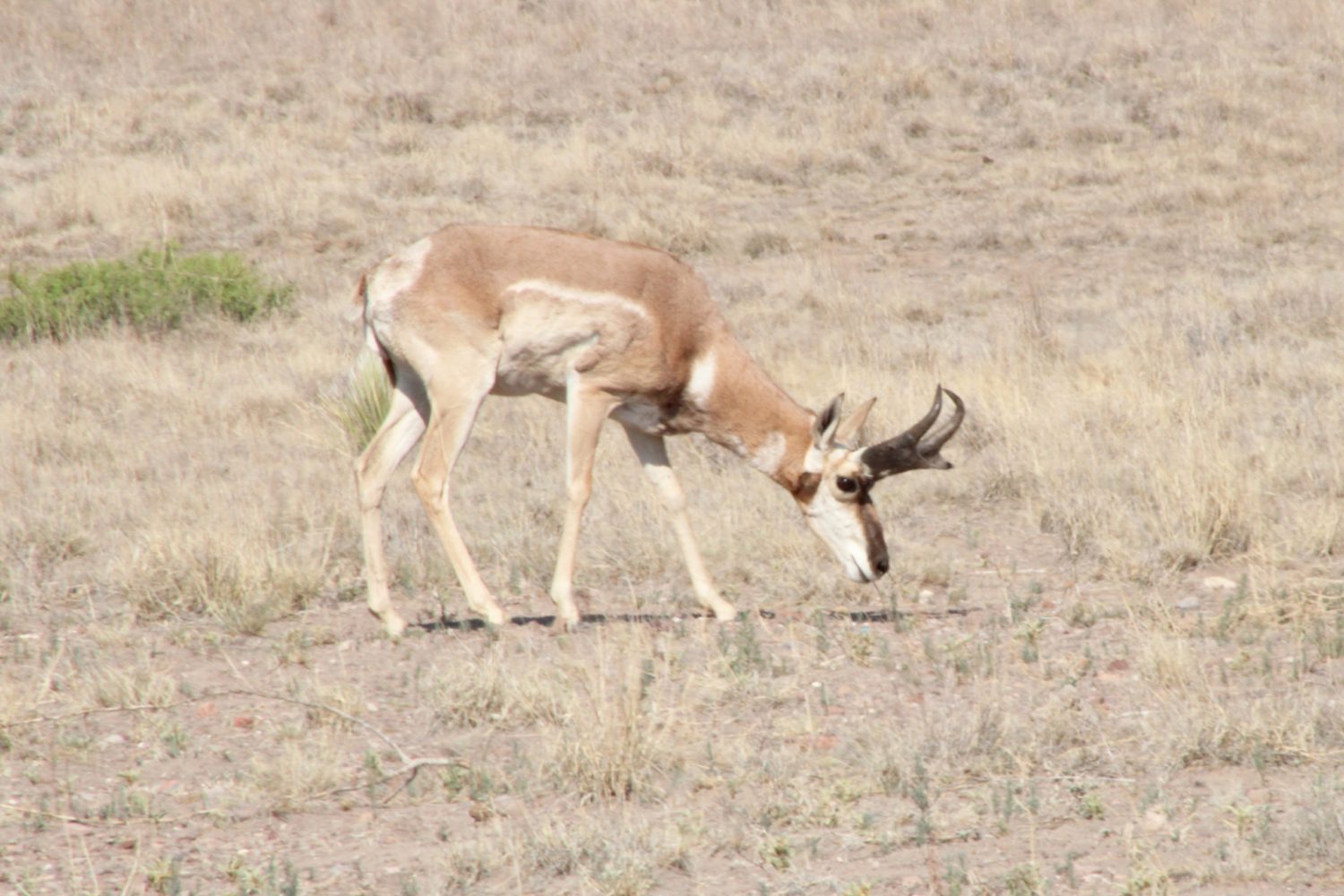
Pronghorn are the last members of a unique family of North American mammals (Antilocapridae). Neither a deer nor a true antelope, pronghorn are icons of the western prairies. They are the second fastest land animals and have the only true horns that fork, which they shed and regrow annually. Pronghorn populations of this unique mammal have declined in previous years. Therefore, in 2010, concerned landowners partnered with the Texas Parks & Wildlife Department and the Borderlands Research Institute to investigate the causes of pronghorn decline and decided to take actions to reverse it.

Exotic Game Species

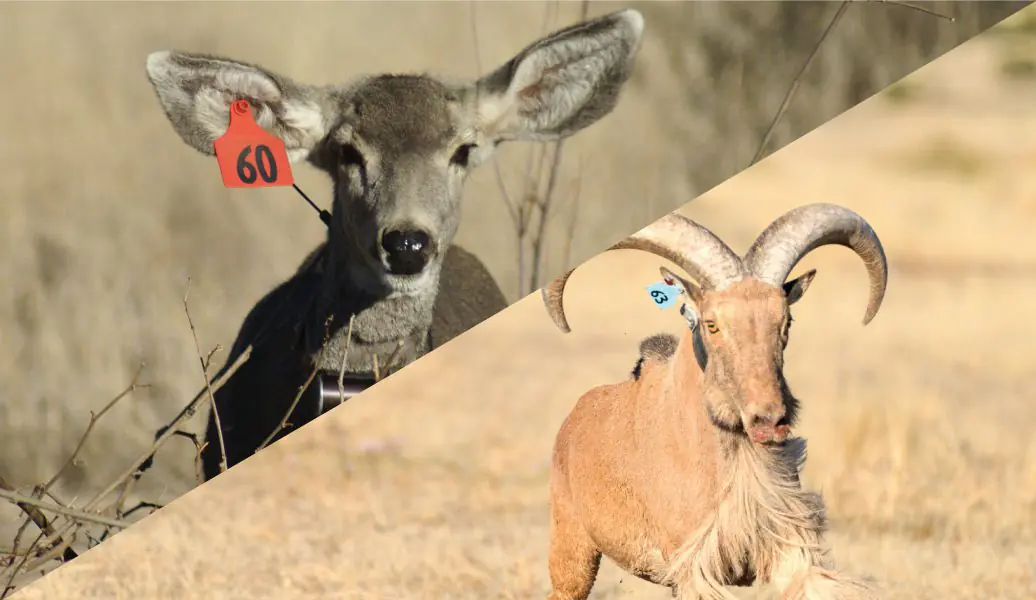
Texas is home to dozens of exotic big game species, several of which can be found in the Trans-Pecos. These include African species (such as scimitar-horned oryx, gemsbok, and aoudad), Indian species (such as blackbuck antelope and axis deer), elk, and feral hogs. The Borderlands Research Institute strives to understand the environmental effects between exotic and native species.