Our Work
Field-based research, education, and partnerships advancing wildlife conservation and resilient landscapes across the Borderlands.

Niche Plasticity Of Desert Bighorn Sheep In The Trans-Pecos
Elle Sutherland, Justin French, Carlos Gonzalez, Michael Cherry (CKWRI), Froylan Hernandez (TPWD), Shawn Gray (TPWD)
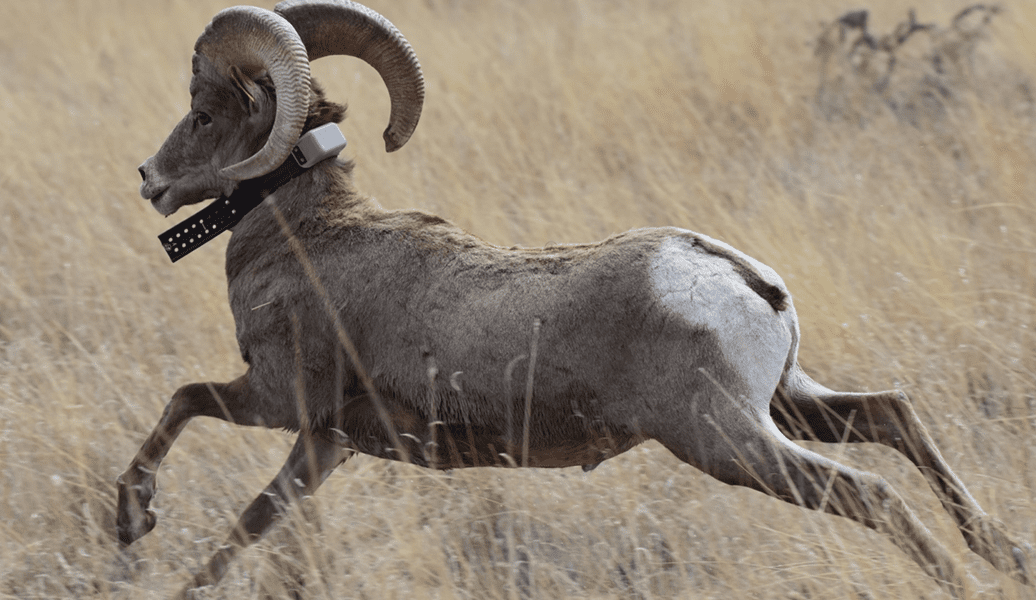
Desert bighorn sheep (Ovis canadensis) have been reestablished in the Trans-Pecos following extirpation in the 1960s, but the growth of exotic aoudad (Ammotragus lervia) populations presents a new challenge to their management.
Aoudad are native to Northern Africa, an arid region with rugged topography similar to the Trans-Pecos. Previous research has demonstrated that — even at small population sizes — aoudad and desert bighorn exhibit narrow, heavily overlapping niches. It is hypothesized that aoudad are superior competitors, due to their high recruitment (survival) rate and robust physiology. We don’t yet know the dynamics within this overlapping niche space and how desert bighorn shift or compress their niche to avoid competitive exclusion. Determining potential coexistence depends on understanding the extent of this desert bighorn niche plasticity.
This study aims to explore variation in niche breadth among populations in the Trans-Pecos using integrated step selection analyses to model inter-individual habitat selection behavior. Utilizing 10 years of movement data from five desert bighorn populations and focusing on potential competition-induced niche shifts, the results of this study will provide insight for optimal desert bighorn management in a landscape co-occupied with aoudad.