Our Work
Field-based research, education, and partnerships advancing wildlife conservation and resilient landscapes across the Borderlands.
Montezuma Quail Population Characteristics

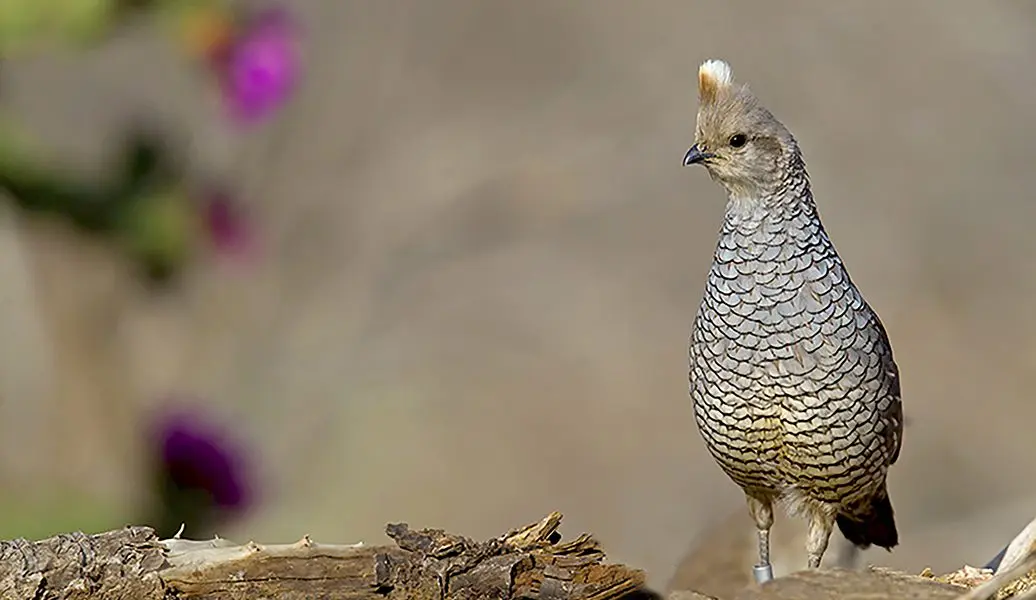
Montezuma quail are secretive birds that occur in the upper elevations of the Chihuahuan and Sonoran desert regions of Texas, New Mexico, Arizona, and Mexico. Although their life history has been documented, most accounts have been based on anecdotal observations or harvested samples.
The lack of information on Montezuma quail may be attributed to several factors: their secretive nature, the inaccessibility of their primary habitats (e.g., steep slopes and high elevations), and the researchers’ inability to capture Montezuma quail.
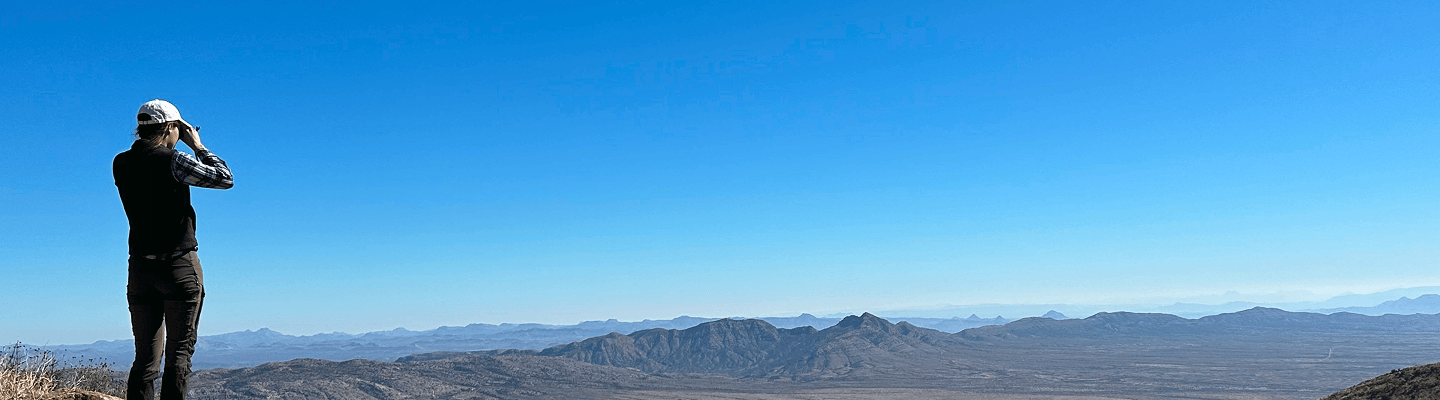
For 10 years, the Borderlands Research Institute has studied different aspects of Montezuma quail ecology. Using night-capture techniques and trained dogs, we were able to capture and monitor Montezuma quail to assess population characteristics, movement patterns, and habitat use.
During a two-year study, we captured and radio-collared 68 Montezuma quail. Average home range size was 5,310 acres (ranging from 42 to 38,921 acres). Prior to this study, most believed Montezuma quail to be relatively sedentary birds, not traveling far from their birth place. In our study, it was not uncommon for Montezuma quail to move 5–7 miles (straight-line distance) within 2–3 weeks.
The study, conducted in the Davis Mountains, indicated that habitat use by Montezuma quail was associated with areas that had high densities of wood sorrel, sedges, and wild onion. Montezuma quail also preferred habitats with moderate slopes (20–30%) and rock outcrops.
Little information exists regarding management practices that may promote primary food resources for Montezuma quail. However, given the apparent interrelationship among rock outcrops on slopes, soil packets, and subterranean foods, management should minimize practices that could disrupt such relationships (e.g., practices that could dislodge rock outcrops and increase soil erosion).