Our Work
Field-based research, education, and partnerships advancing wildlife conservation and resilient landscapes across the Borderlands.
Factors potentially influencing Montezuma quail populations in the Trans-Pecos region of Texas

Maya Vaughn, Justin French, Fidel Hernandez, and Ryan Luna
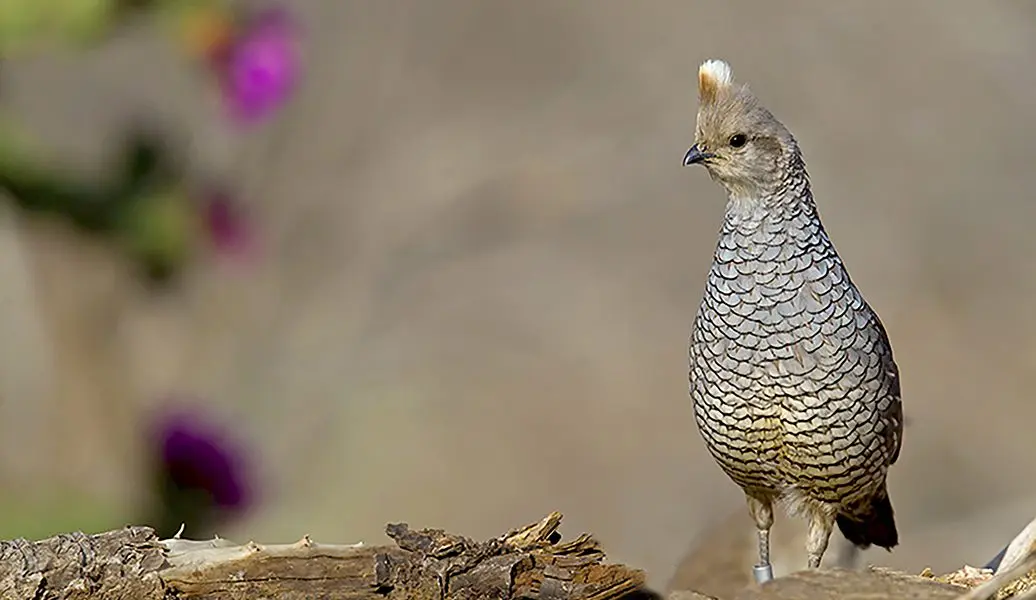
Montezuma quail (Cyrtonyx montezumae) are an elusive quail species inhabiting the piñon-juniper woodlands of the southwestern United States and much of Mexico. They are extremely difficult to trap and study, so there is little known about their ecology and population or demographic rates.
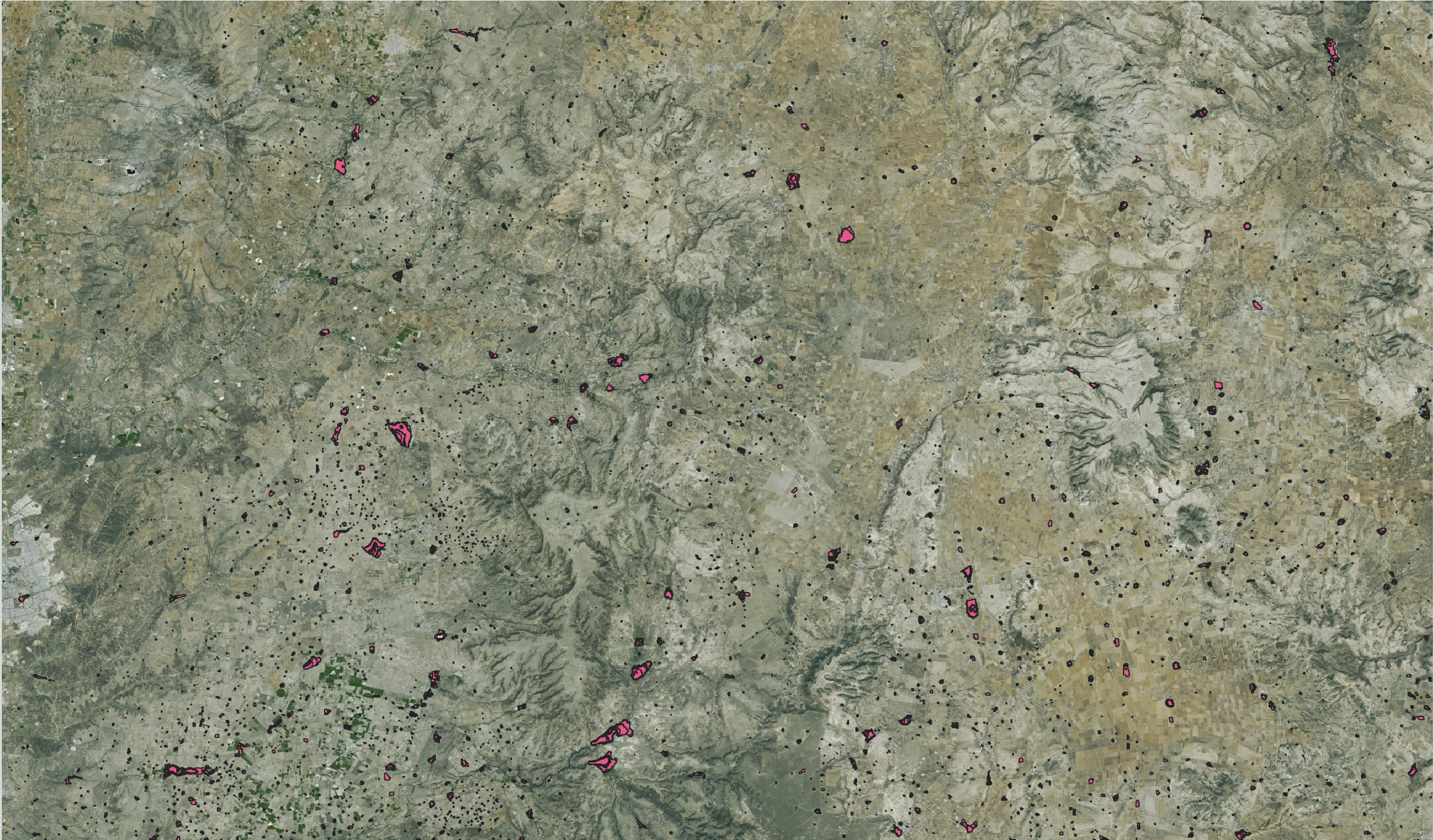
With little information, unstudied factors could be affecting West Texas populations, such as the influence of extreme weather events and new invasive competitors, like feral pigs (Sus scrofa). To better understand how feral pigs affect Montezuma quail populations, I investigated the overlap of Montezuma quail habitat and feral pig presence. Feral pigs disturb the soil through their rooting behavior, which potentially alters vegetation communities. This could reduce forage resources as well as the ground cover that Montezuma quail utilize for nesting, temperature regulation, and predator avoidance.
By recording the presence of feral pigs in the Davis Mountains Preserve and extrapolating their presence across the entire Davis Mountains range. I estimated a 51% overlap of predicted feral pig presence and predicted Montezuma quail habitat in the Davis Mountains region. Feral pig presence didn’t completely overlap with predicted Montezuma quail habitat, but the overlapped areas occurred in critical habitat for Montezuma quail.
These are areas that Montezuma quail need when their populations are low and resources are scarce. Extreme climatic events such as droughts, extreme precipitation and temperatures, snowstorms, and extreme wildfires influence climate averages through time, affecting both flora and fauna, including Montezuma quail populations. There are several anecdotal reports on the sudden apparent decline of Montezuma following high levels of overwinter precipitation or droughts. Results from using a two-stage Lefkovich Matrix Population Model (to simulate Montezuma quail populations under the effects of extreme climatic events) indicated that the populations can rapidly decline if the negative climatic conditions span several years, with decreased survival and recruitment of the species, leading to higher chances of local extirpation.