Our Work
Field-based research, education, and partnerships advancing wildlife conservation and resilient landscapes across the Borderlands.

A Brief History of Texas Bighorns
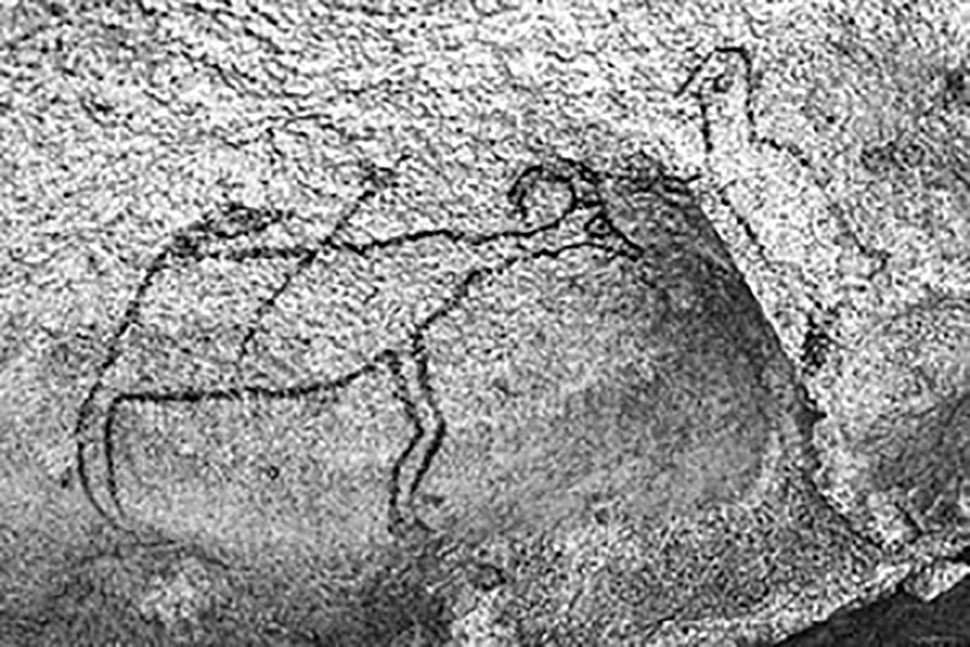
Historically, native desert bighorn sheep occupied 15–16 mountain ranges in the Trans-Pecos region. An estimated 1,500 bighorns inhabited these mountain ranges in the 1880s, and possibly as many as 2,500 prior to that.
In the mid-1940s, Texas’ native desert bighorns had disappeared from much of their native mountain ranges; by the early 1960s, they were extirpated. Their demise was attributed to unregulated hunting, the introduction of domestic sheep and goats that competed with bighorns for resources, diseases from domestic sheep and goats that bighorns had not been exposed to, and net-wire fencing that impeded natural movements in search of food and water.
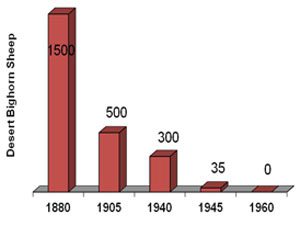
Protective measures were taken as early as 1903, with the prohibition of bighorn hunting and later, with the establishment of Sierra Diablo WMA (1945), a sanctuary for the few remaining bighorns.
A cooperative agreement in 1954 between the Arizona Game and Fish Commission; Boone and Crockett Club; Texas Game, Fish and Oyster Commission; U.S. Fish and Wildlife Service; and the Wildlife Management Institute marked the beginning of the restoration efforts in Texas. These efforts focused primarily on captive propagation.
The first facility, constructed on Black Gap WMA, was stocked with 16 desert bighorn sheep from Arizona in 1959. Additional facilities were constructed at Sierra Diablo WMA in 1970 and 1983, and at Chilicote Ranch in 1977.