Year-round Seasonal Variation Effects on Scaled Quail Movement Behavior in the Trans-Pecos
Written by: Emilie Brochon
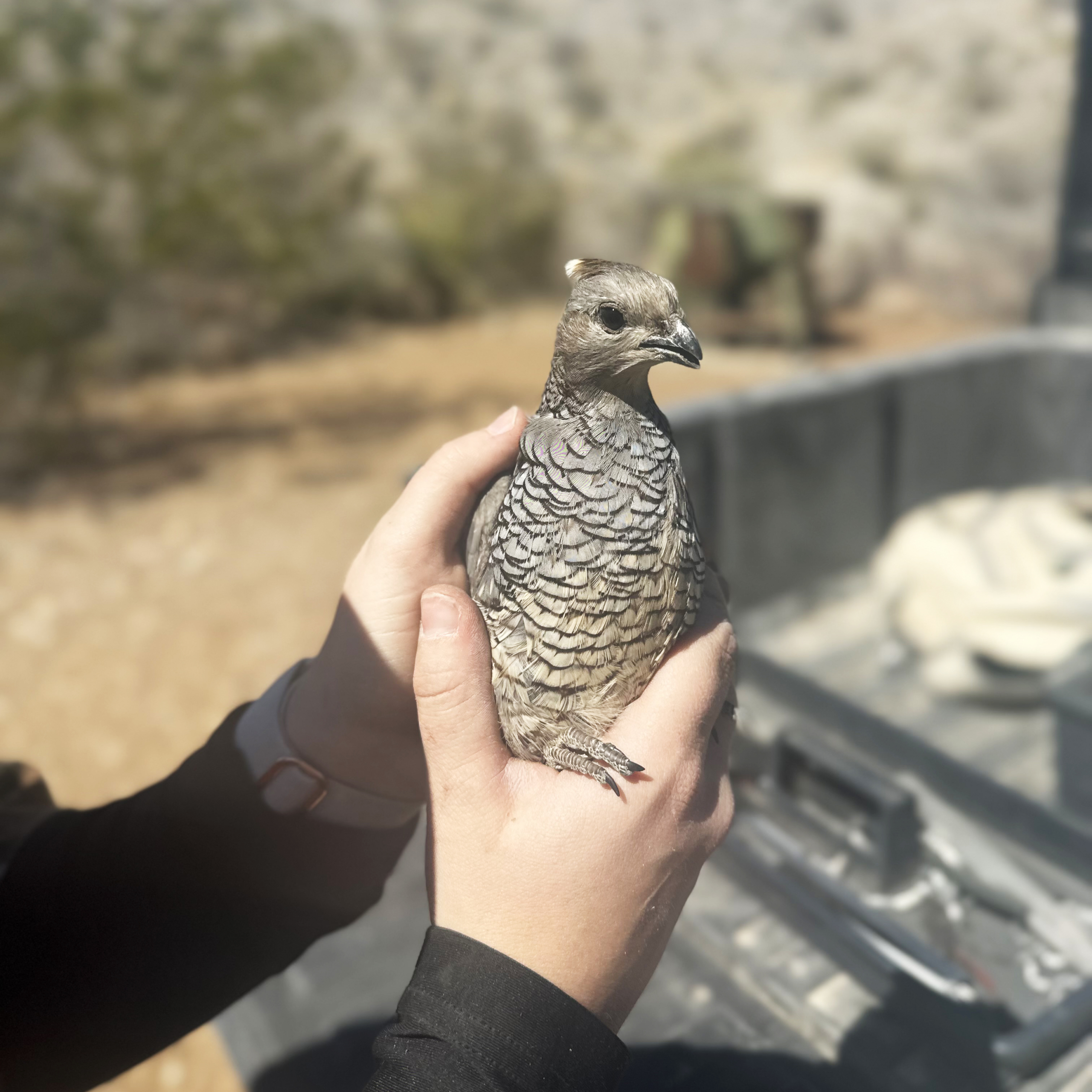
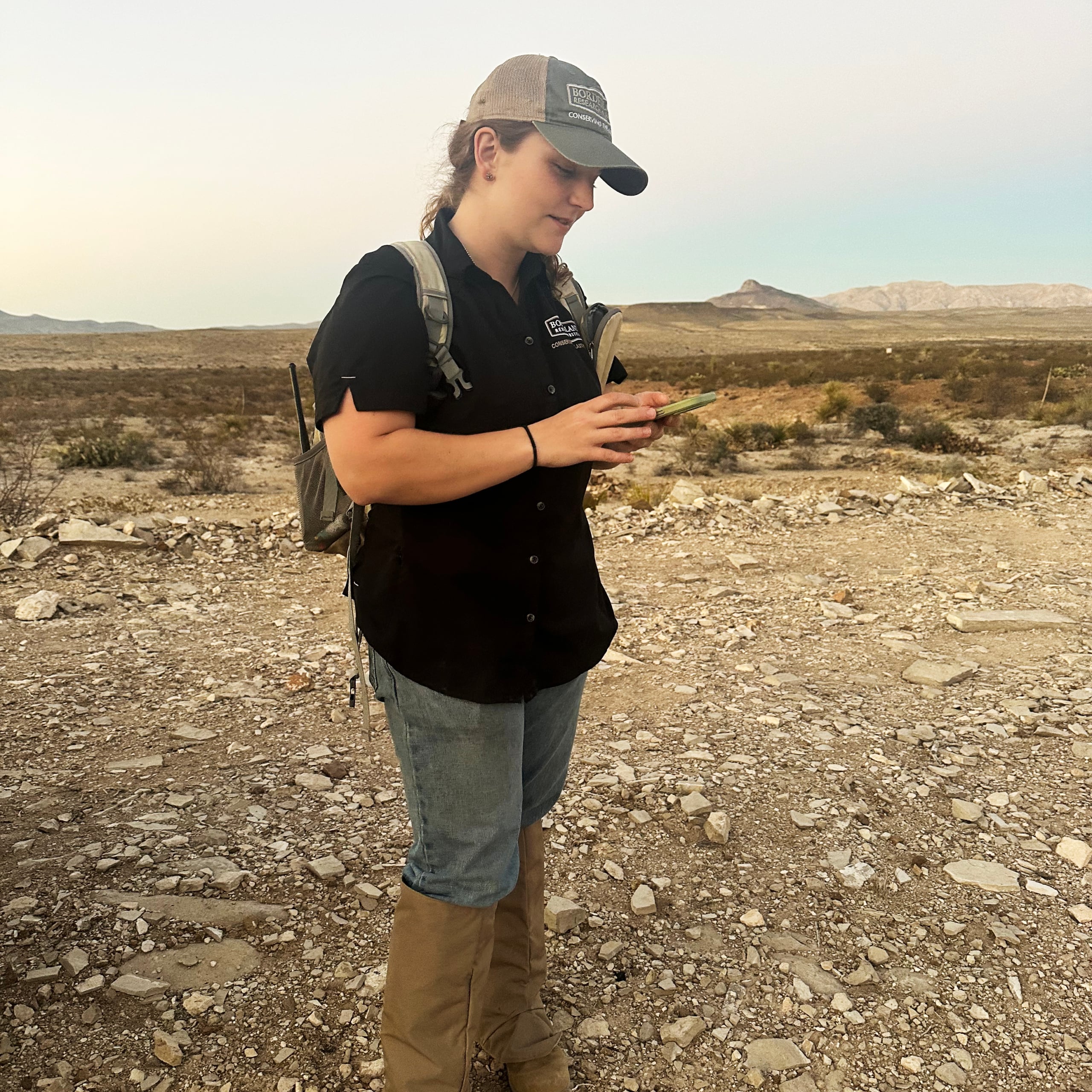
When the temperature drops and the days get shorter as winter approaches, Scaled quail (Callipepla squamata) join large groups called coveys. This quail species is known to form coveys of up to 200 birds! Forming coveys increases predator awareness and improves thermal regulation. As the days warm and Spring arrives, this signals the coveys to break up in preparation for the breeding season, when quail begin to separate into mating pairs. Hayley Shultz, a master’s student with the Borderlands Research Institute, aims to better understand how Scaled quail alter their movements in response to seasonal changes throughout the year. Her study site is a private ranch in South Brewster County, Texas.
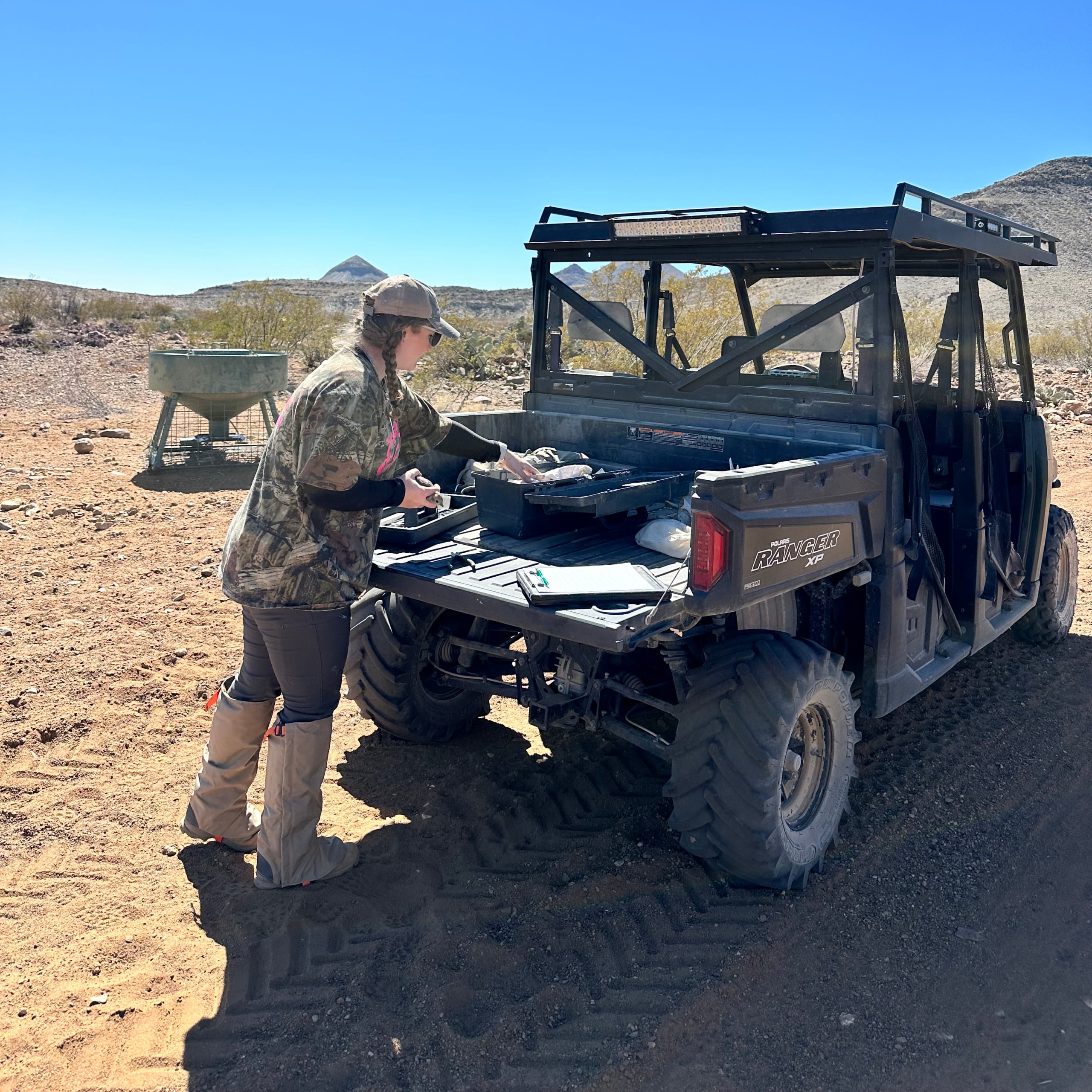
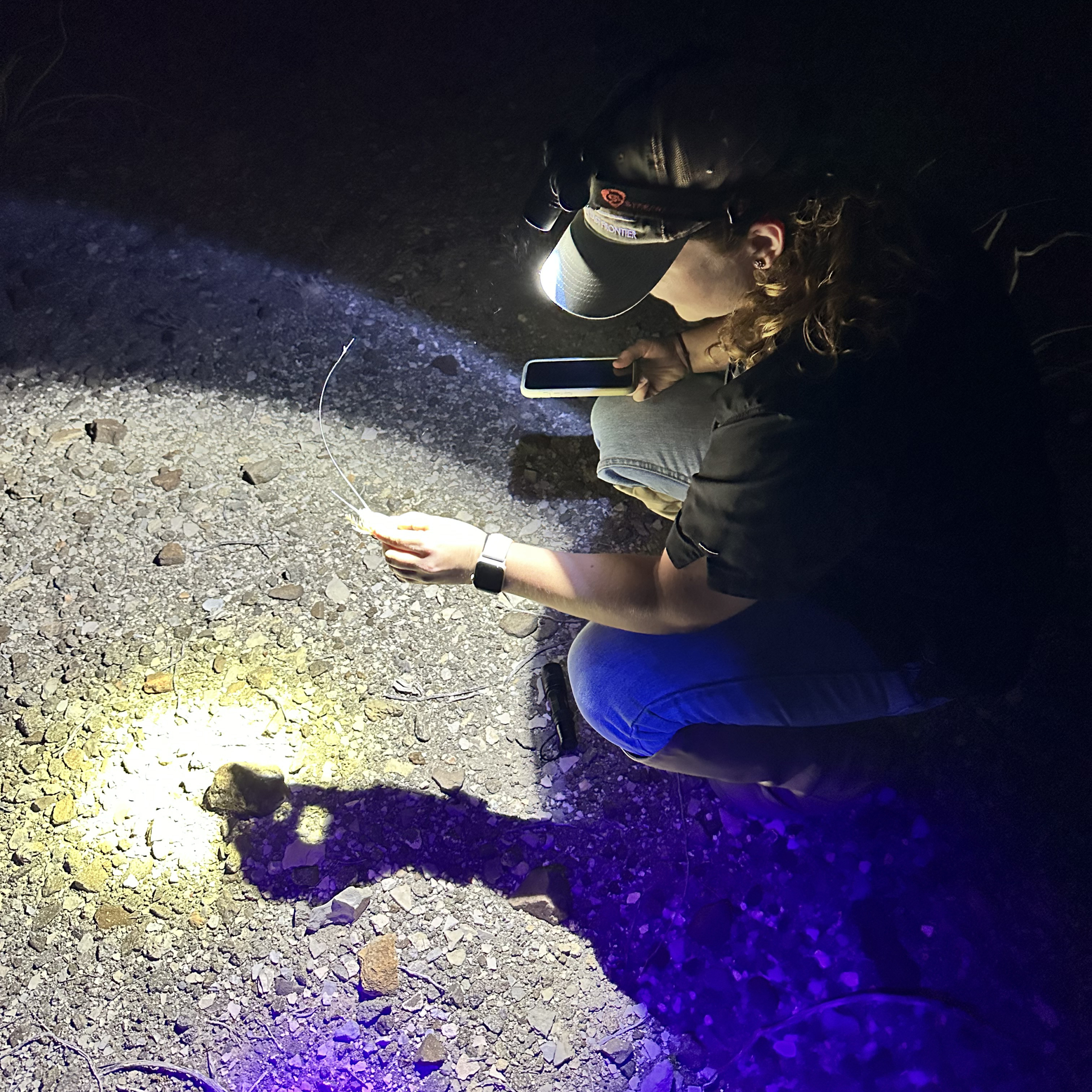
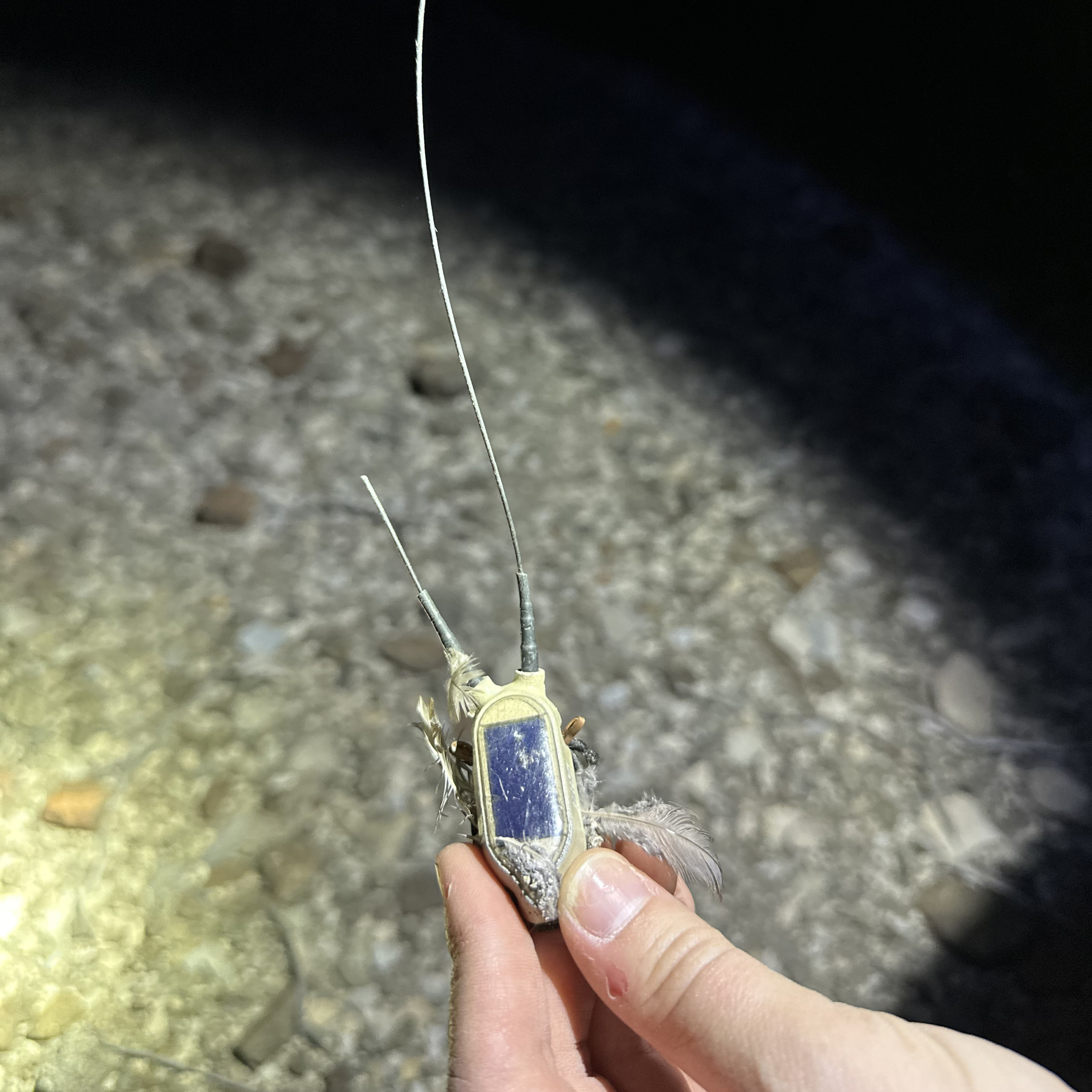
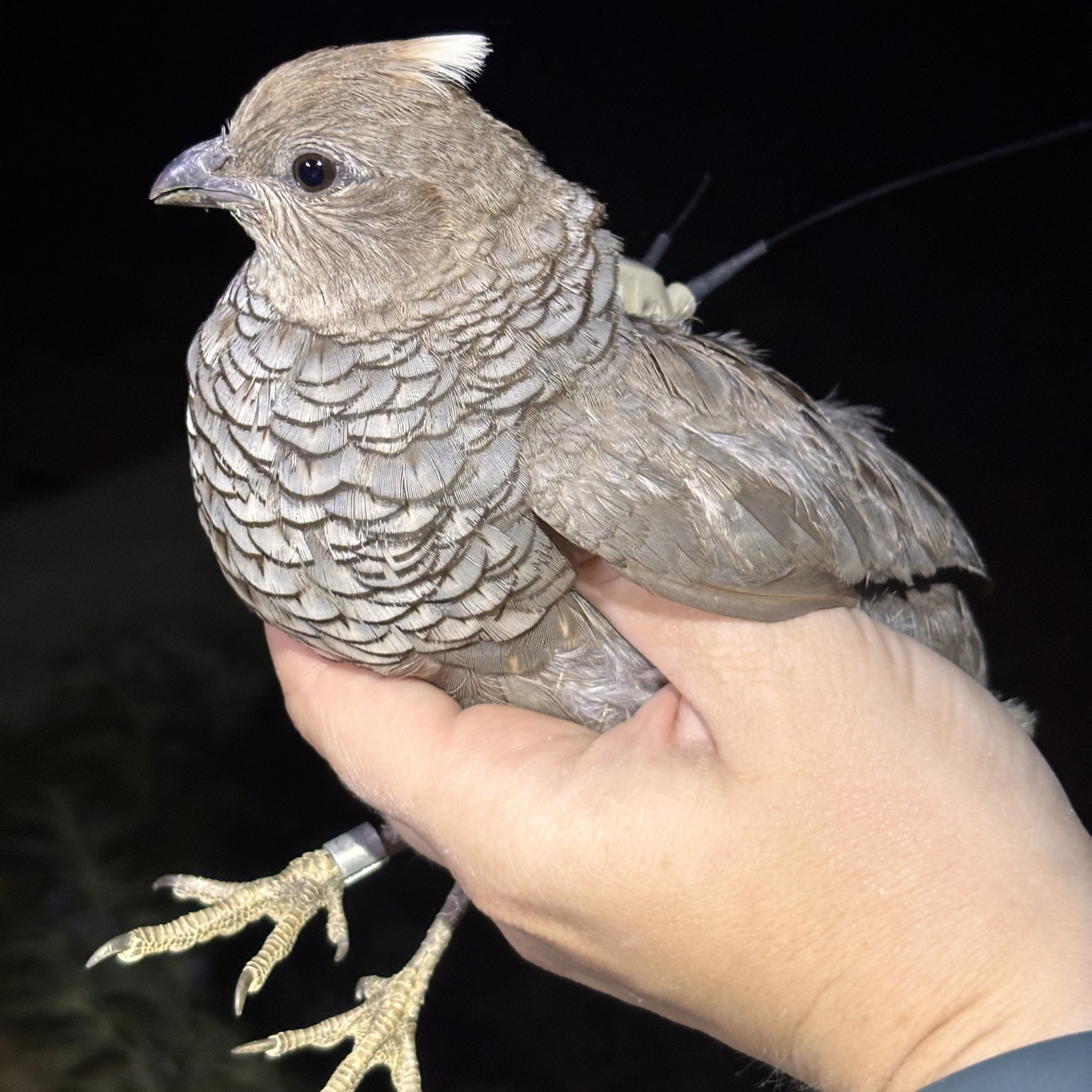
Since April 2025, Hayley has captured 189 Scaled quail, 48 of which were fitted with backpack-style Global Positioning System (GPS) tags. These backpack tags can be programmed by the user to provide GPS data at fixed intervals, depending on the questions at hand. Hayley configured her tags to collect location data during the day and night for a whole year. Conveniently, these tags include solar capabilities to keep them powered over long collection periods. Hayley applied a coat of UV-light reactive paint to each tag before deployment so that she could locate them later. Upon quail mortality due to predation or natural causes, its backpack signals that it is stationary and ready for retrieval. The tags are about the size of your thumb, weigh less than seven grams, and are earth-toned, so you can imagine how difficult it is to find one on the desert floor during the day. Hayley downloaded these GPS points and spent many nights traversing the landscape with a UV flashlight to locate dropped tags.
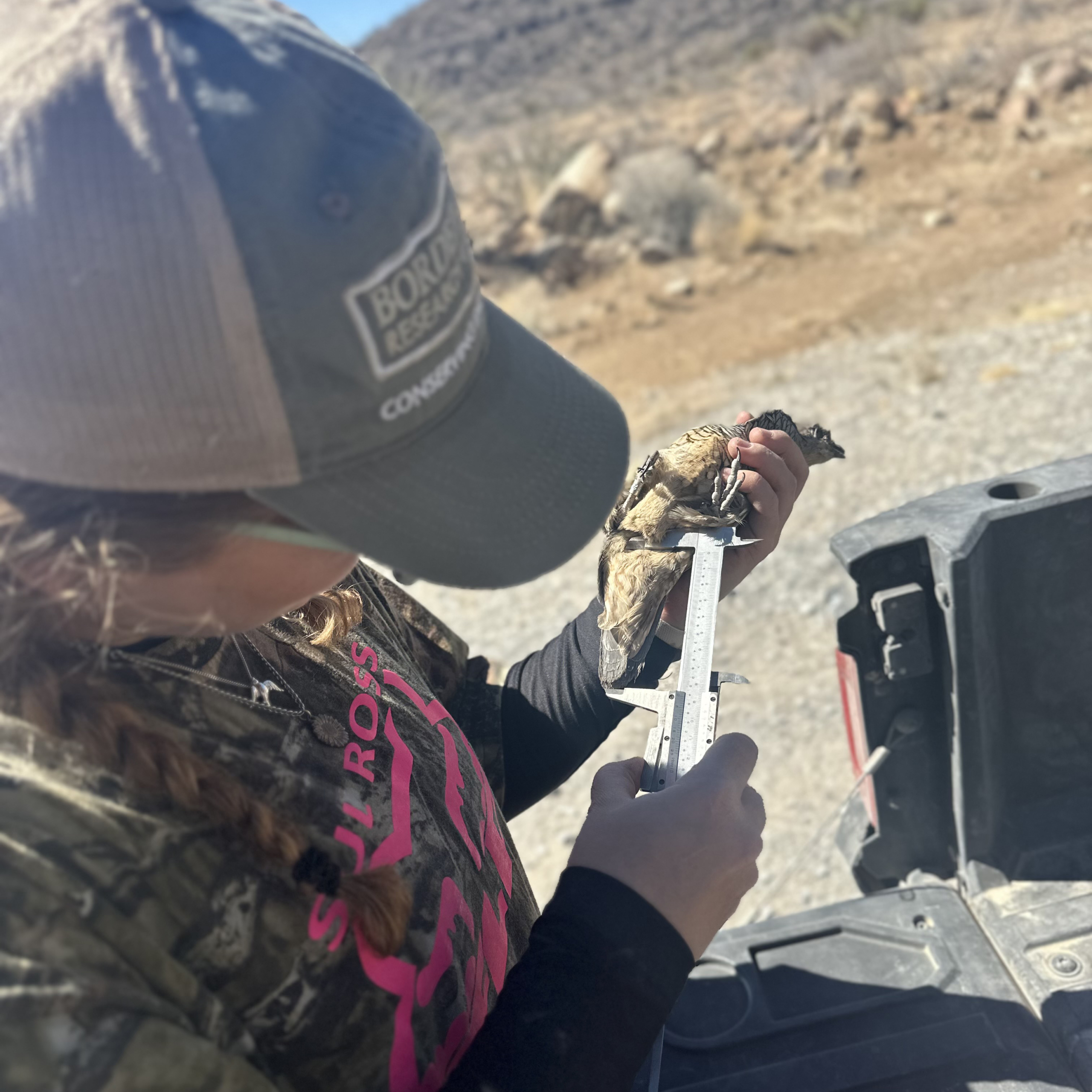
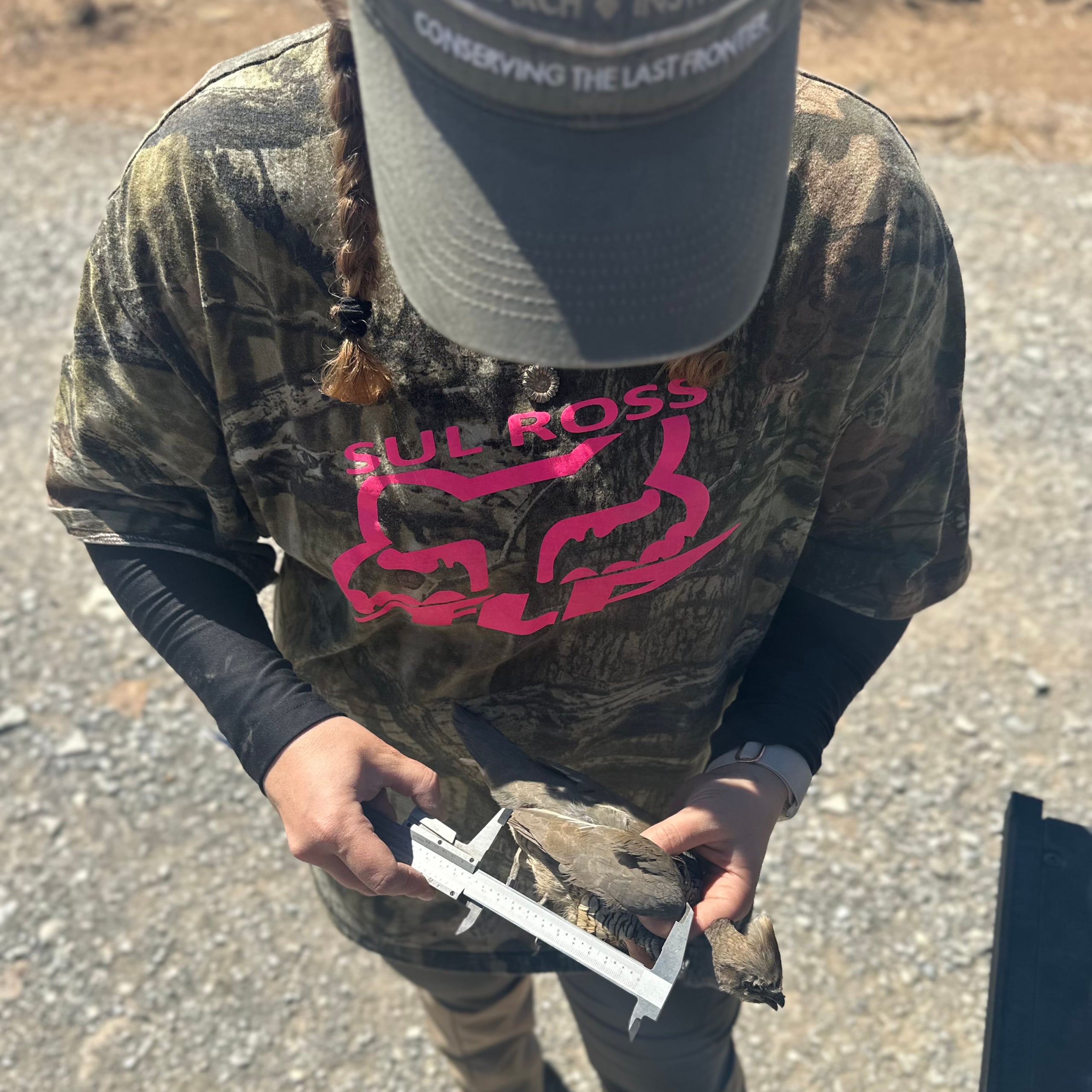
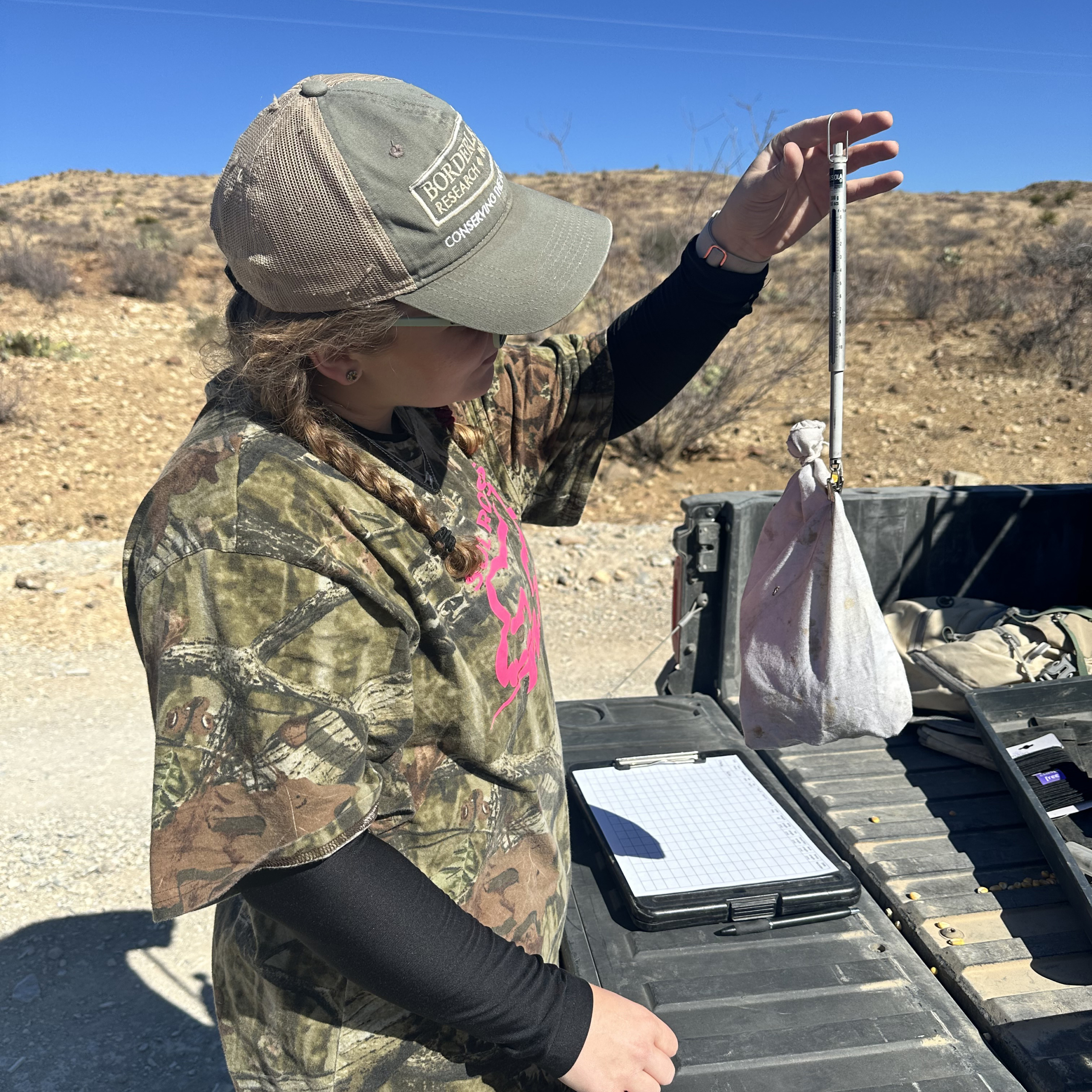
As for the 141 Scaled quail that did not receive a GPS tag, they still provided critical information for Hayley’s study. Regardless of whether a quail’s location was tracked, it was fitted with a unique leg band, and specific data such as age, sex, wing and beak length were recorded. The use of leg bands allows us to estimate population size and age structure across populations. By researching spatial and temporal trends, we gain a better understanding of what factors may be influencing quail seasonal movements. This information helps inform management to keep healthy Scaled quail populations for generations to come. As Hayley wraps up her data collection, she is excited to explore her findings and provide new insight into the behavior of this iconic game bird.