Trans-Pecos Conference Addresses Wildlife Management in a Changing Landscape
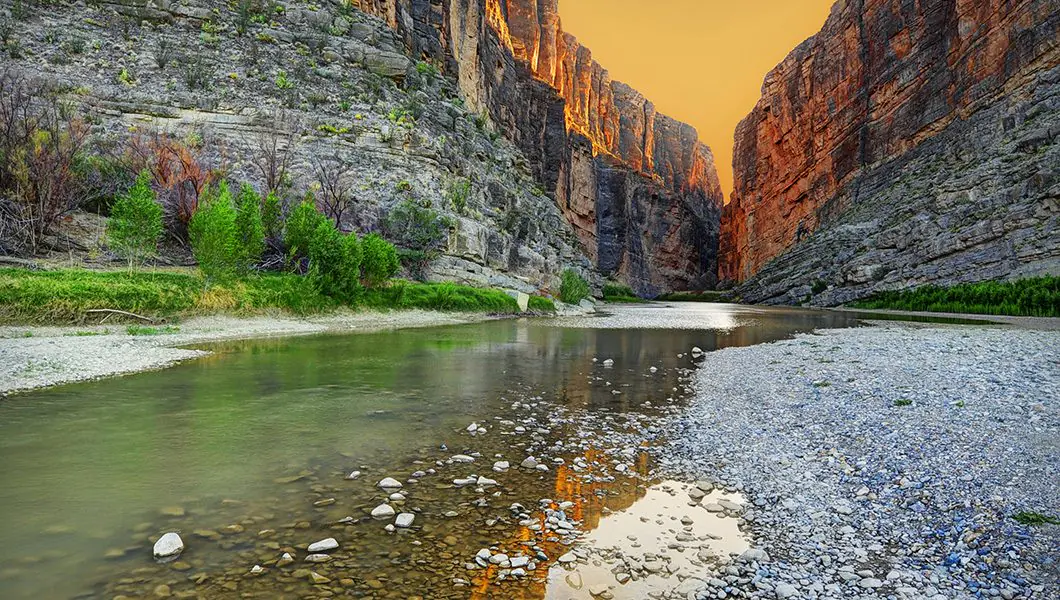
How might a border wall affect the landscape and wildlife of the Big Bend? What does artificial light mean for people and wildlife in some of the darkest places in Texas? What can the sounds of birds tell us that our eyes cannot?
These were among the questions explored at this year’s Trans-Pecos Wildlife Conference in early August, where researchers, conservationists, and land stewards came together to better understand the challenges and opportunities facing wildlife and working lands across the region.
The increasing human influence in one of Texas’ remaining wild places is on the minds of many across the region. With the potential construction of a border wall looming on the horizon, questions about its impacts on the Trans-Pecos landscape – and the people and wildlife that depend on it – remain at the forefront.
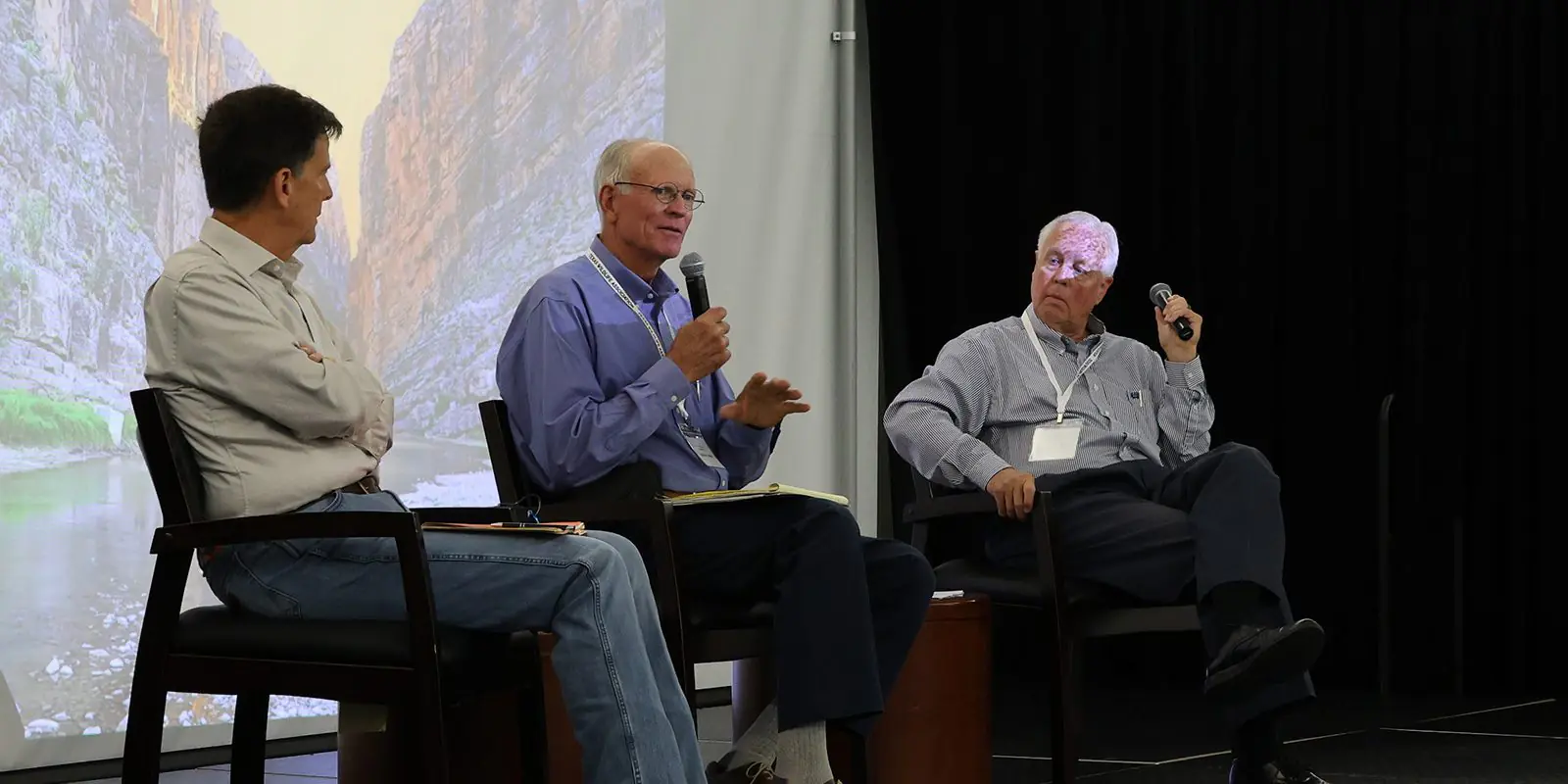
A panel of three experts, representing wildlife biology, public leadership, and environmental policy, offered perspectives on the potential impacts of the proposed wall, including effects on wildlife movement and habitat. While the issues are complex, one thing was clear as the panel concluded: local communities and leaders have not given up on working toward a compromise that a compromise that balances the needs of people and wildlife.
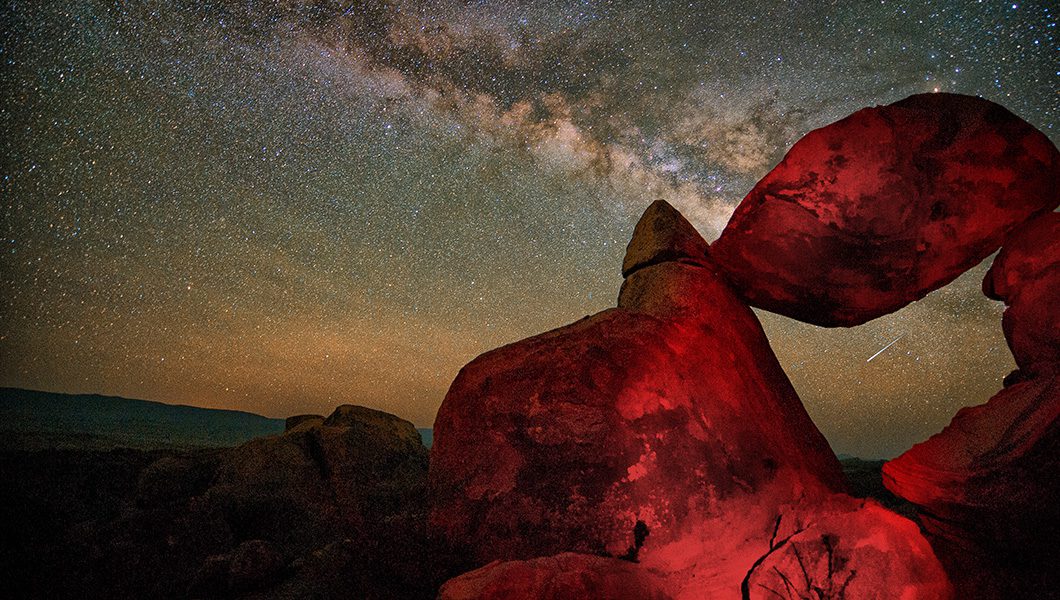
Changes on the landscape are not always as visible or abrupt as a wall. One of the Big Bend region’s defining natural resources – its darkness – is facing growing pressure from infrastructure lighting on the ground and potential reflective satellites overhead.
For wildlife, the consequences can be significant. Artificial light can disrupt natural rhythms, interfere with migration timing, and alter predator-prey relationships. But protecting dark skies also benefits people. Thoughtful lighting practices can reduce energy costs, improve visibility and safety, and protect human health while still meeting the needs of communities.
Many of the solutions are relatively simple. The challenge is making sure people understand the importance of preserving darkness and putting good lighting practices into action.
West Texas is a dynamic landscape. In recent years, we’ve witnessed wildlife and livestock diseases emerge, big game populations respond to changes in habitat quality and availability, and introduced species create new ecological dynamics. As the landscape changes, so must the ways we study and manage it. The conference highlighted several examples of researchers developing new approaches to better understand these changes and inform conservation decisions.
For species that are difficult to observe directly, technology is opening new doors. Researchers are using autonomous recording units to detect and monitor cryptic birds, including high-elevation owls and Montezuma quail, providing opportunities to study species that can be challenging to find using traditional field methods.
Other research presented at the conference demonstrated how technology and long-term data can give us unique insights. One project is using decades of satellite imagery to track changes in pronghorn habitat over time, helping researchers identify and prioritize areas where habitat restoration could have the greatest impact. In another project, drones are being used to examine differences in vegetation under various grazing systems and explore how livestock management can simultaneously support wildlife habitat.
Together, these approaches reflect an important shift in conservation: as our understanding of the landscape grows and conditions change, our tools and management strategies are evolving with them.
The challenges facing West Texas wildlife are numerous, but so are the opportunities to address them. By bringing diverse perspectives to the same table, the Trans-Pecos Wildlife Conference strengthened the relationships and shared knowledge needed to shape the future of wildlife management in our region.