Preserving Darkness In An Age of Light
Trans-Pecos Wildlife Conference 2026
Aug. 6, 9:40 am Session
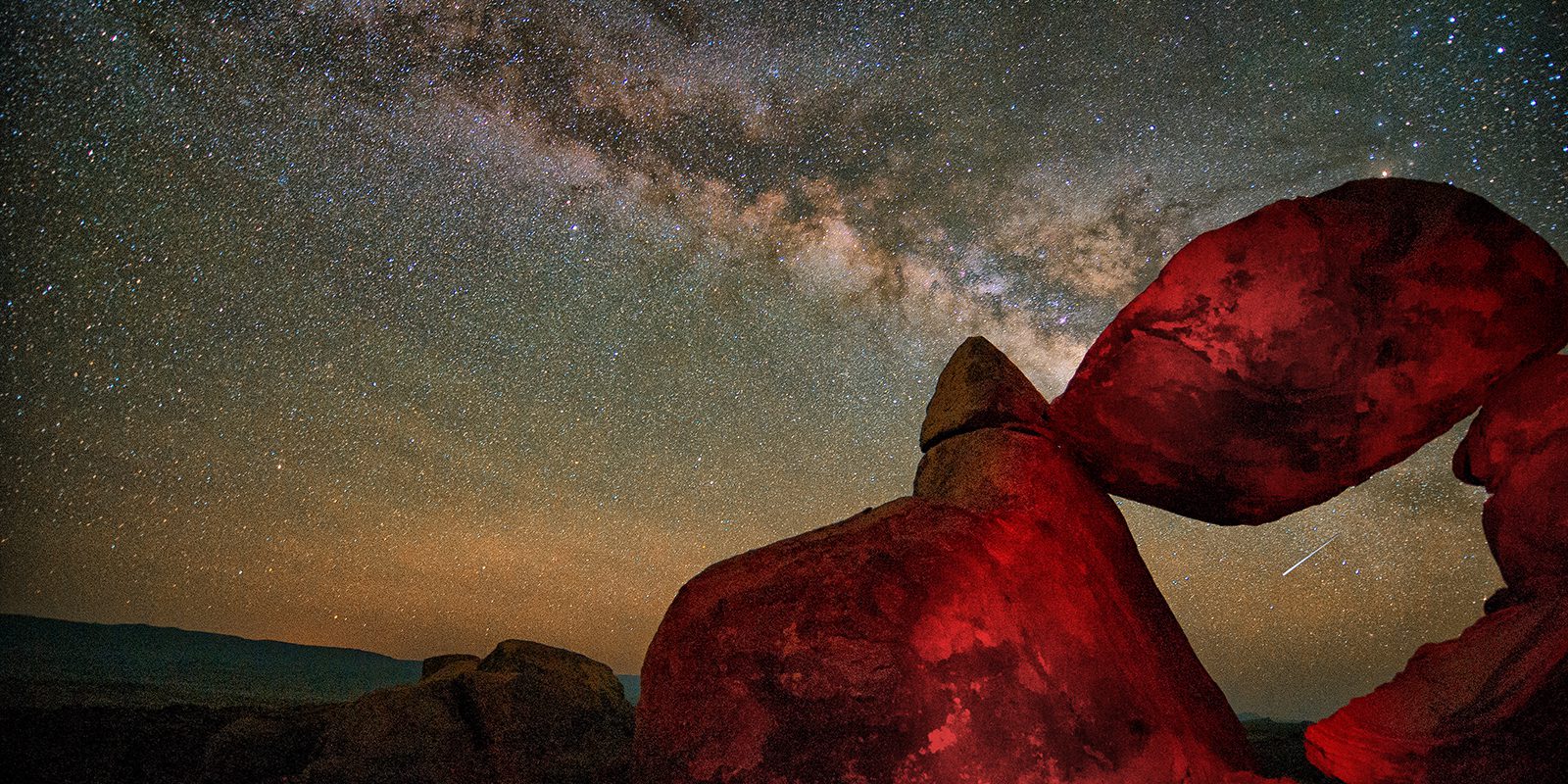
West Texas is home to some of the darkest night skies in the country. But those pockets of true darkness are shrinking, and the consequences extend far beyond our ability to see the stars.
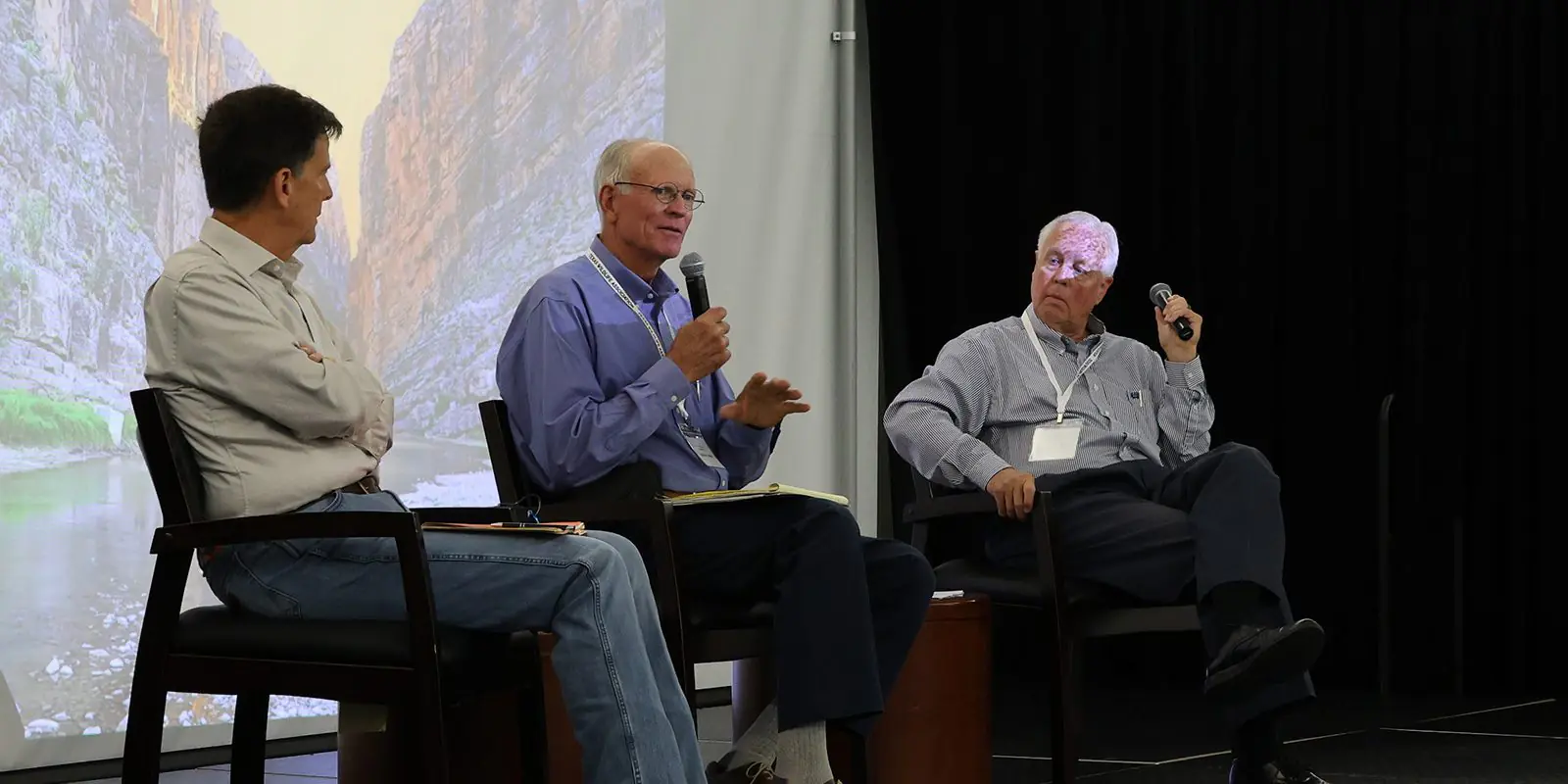
Stephen Hummel, Dark Skies Senior Outreach Program Coordinator at McDonald Observatory, told attendees at the 2026 Trans-Pecos Wildlife Conference that light pollution affects astronomy, human health, tourism, and wildlife.
Hummel said Big Bend National Park still offers a nearly pristine night sky, part of a relatively small portion of Texas where true darkness remains. But light pollution, or skyglow, has been growing by about 8 to 10 percent annually over the past decade.
“There are only six places left in the lower 48 that are as dark as that,” Hummel said. “These little pockets of darkness are getting smaller every year.”
Dark skies are also an important part of the region’s economy. Hummel said about two-thirds of visitors to Brewster County participate in a stargazing experience during their trip.
The effects extend to wildlife as well. Artificial light at night can disrupt the natural day-night cycle under which life evolved. Migratory birds can be drawn off course by bright lights. Insects can become trapped around light sources until they exhaust themselves. Artificial lighting can also change predator-prey relationships and wildlife movement.
For mountain lions, Hummel said, “darkness is kind of their habitat.” A continuously illuminated corridor can cause the animals to avoid an area even when there is no physical barrier, potentially contributing to habitat fragmentation.
The good news is that many problems caused by outdoor lighting can be addressed without sacrificing safety or functionality. Hummel outlined several basic principles: shield lights and direct them only where needed, use the lowest effective intensity, choose warmer or amber-colored lighting when possible, and turn lights off when they aren’t needed.
Hummel has worked with the oil and gas industry, local governments and others to put those principles into practice. He said better-designed lighting can reduce operating costs and energy use while improving visibility and safety.
“In my mind, the problem on paper is solved,” Hummel said. “We know how to do it. It’s just a matter of doing it and scaling it up.”
Hummel also addressed questions about lighting associated with proposed border wall construction. He said communication with U.S. Customs and Border Protection indicates that most lighting in rural areas would be infrared and not visible. Visible lighting would most likely be installed in or around Presidio using shielded designs. Construction yards, worker camps and other support facilities on private land would be subject to lighting ordinances in counties that have them.
But another emerging issue has become an even greater focus for Hummel: the rapid expansion of commercial activity in space.
He described proposals to launch large orbital reflectors designed to intentionally redirect sunlight to Earth at night for uses ranging from solar energy generation and construction to search and rescue operations. One company, Reflect Orbital, is pursuing a constellation of thousands of reflectors.
Unlike terrestrial lighting, Hummel said, there is little existing regulation governing such technology. He warned that reflected sunlight could interfere with astronomical research and potentially affect wildlife on a global scale.
If large constellations of orbital reflectors become reality, Hummel said even the darkest places on Earth could experience dramatically brighter skies.
“We are at the precipice of losing the entire night sky for the entire world most of the time, if not all of the time,” Hummel said. “It’s something that really demands more attention.”
Sponsors and Organizing Partners
The 2026 Trans-Pecos Wildlife Conference brought together a collaborative team of organizing partners, including the Borderlands Research Institute at Sul Ross State University, Texas Wildlife Association, and Texas Parks and Wildlife Department.
The conference was made possible through the generous support of our sponsors: Dixon Water Foundation, ConocoPhillips, Corteva Agriscience, Alligare, No Big Bend Wall, and the Center for Big Bend Studies. We sincerely thank our sponsors for their commitment to advancing wildlife conservation and stewardship in the Trans-Pecos region.