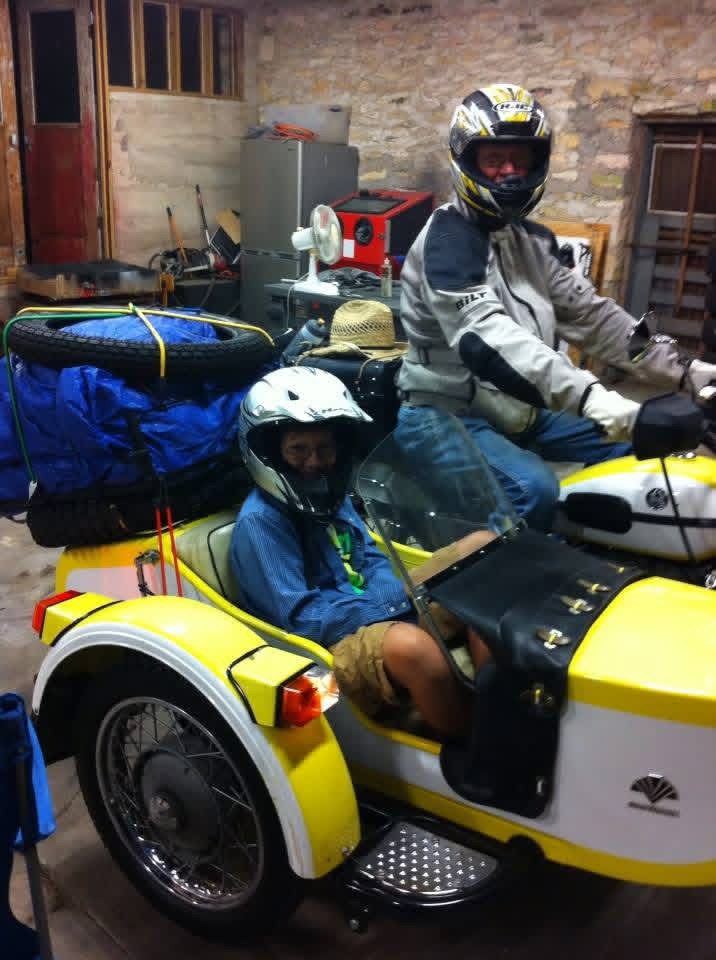
Philip Boyd
“I came to BRI when I was looking to start a new chapter in my life and to find a way to start a career in Natural Resource Management. I was coming from a different discipline, so I had a little bit of anxiety starting something new in a new place, but the folks at BRI were all very encouraging and welcoming to me. It’s really been a life-changing experience that I’ll always be grateful for.”
“There were many great experiences. I feel fortunate to have had so many opportunities to interact closely with wildlife, from birds, to pronghorn, to mule deer, which are experiences that a lot of folks don’t get to have. I helped on a pronghorn fawn survival study that involved spotlighting at night for fawns under the West Texas stars. Moments like that are unforgettable, but so are the moments on the high plains in frigid winter waiting for soon-to-be-translocated pronghorn to be flown in. My wife can still describe how pronghorn smell because she could smell them on my jacket and see some of their hairs stuck to me when I got home from those events.”
“My time at BRI exposed me to many different facets of wildlife and natural resource management, from habitat management to disease management, to movement and spatial analysis, to communication and all of the partnerships involved with landscape-scale stewardship. This exposure allows for students to find their niche and their passion. I feel fortunate to have been introduced to a broader community of people who care for the land and wildlife and am grateful to be part of that community. It’s often through these relationships that we find ourselves getting employed and building our careers, and that is certainly true for me. My time at BRI helped open these doors.”
“Working at BRI taught me a lot, but if I had to focus on one concept, it would be community. None of the work would get done without strong relationships with landowners. Additionally, there is such a large partner network from research, outreach, funding, and conservation delivery, that it really takes a lot of folks with good communication and good relationships to get the work done. This broad community of people passionate about wildlife and land stewardship are essential.”
“The combination of in-house expertise, community, and exposure to concepts and conservation action all come together to give a great mix of hands-on experience, academic opportunities, and relationship opportunities that will go a long way in developing strong conservation professionals.”
“From wildlife management to plant ID to data management to wild places, BRI offers many avenues for education, experience, and professional development in some of the most beautiful landscapes in the country.”