Our Work
Field-based research, education, and partnerships advancing wildlife conservation and resilient landscapes across the Borderlands.
Grazing Systems, Soil Type, and Desert Grassland Vegetation
Ty Goodwin
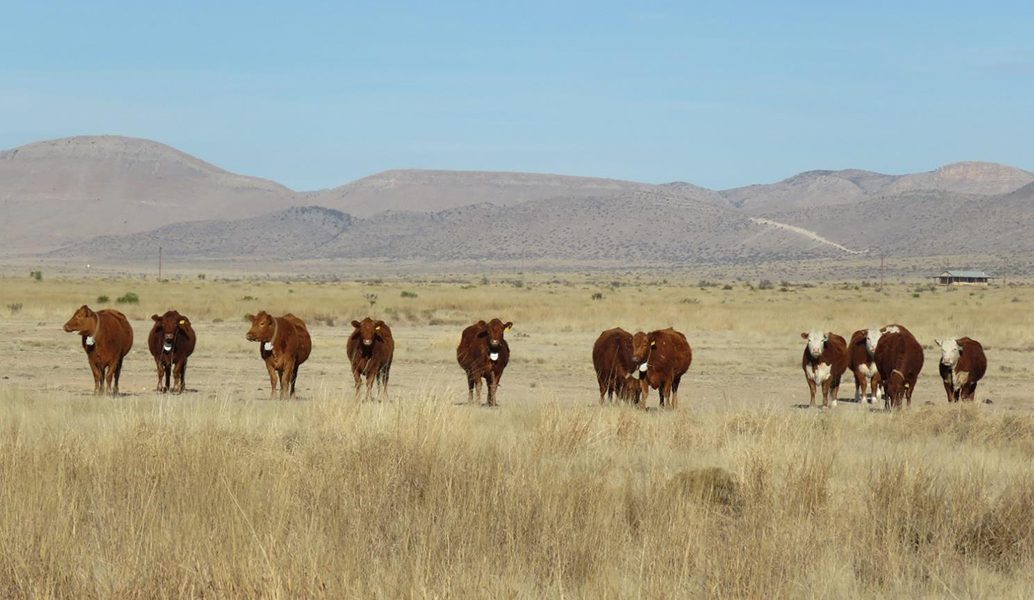
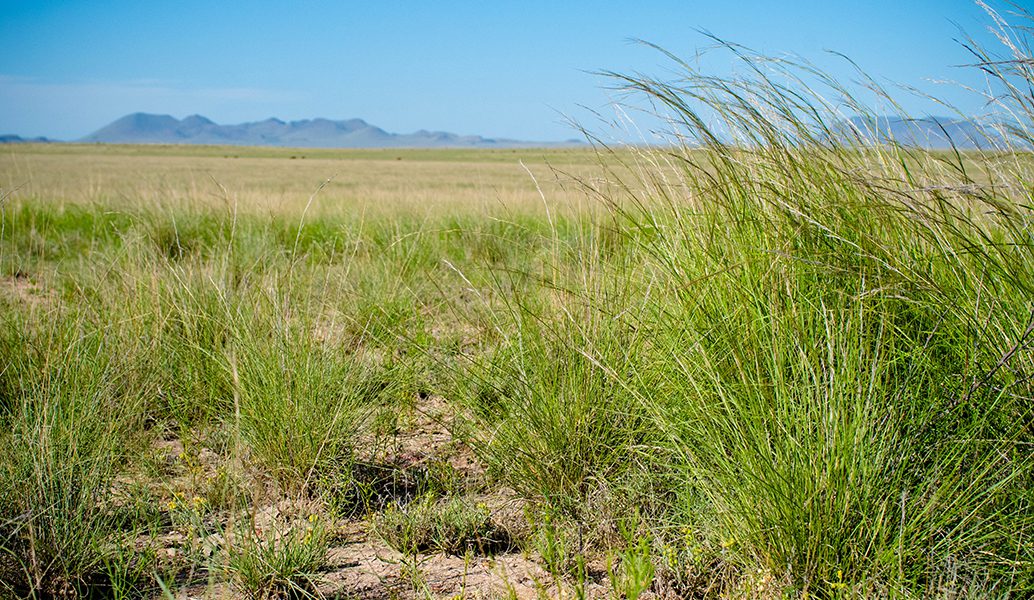
Ty’s research evaluates how grazing systems, soil types, and variable rainfall interact to influence vegetation composition, forage production, plant diversity, and soil moisture in the Marfa grasslands. He is comparing rotationally grazed, continuously grazed, and ungrazed areas across two dominant soil types. Results indicate that no single grazing system consistently produces the best ecological outcome; instead, vegetation responses depend on soils, precipitation, and management objectives. Ty’s work highlights the importance of monitoring local conditions and adapting grazing practices as environmental conditions change. The findings will help land managers develop flexible strategies that support forage production, plant diversity, soil health, and long-term grassland resilience.