Our Work

Field-based research, education, and partnerships advancing wildlife conservation and resilient landscapes across the Borderlands.

Work Banner
HomeOur WorkHabitat & Rangeland EcologyWildlife-Habitat Relationships

Habitat & Rangeland Ecology

Overview

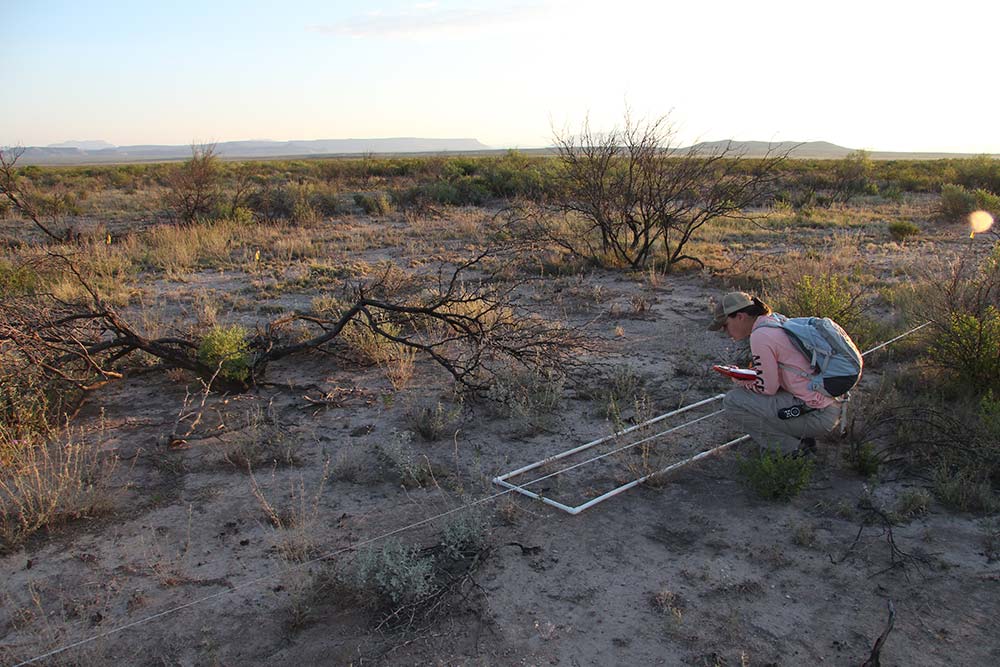
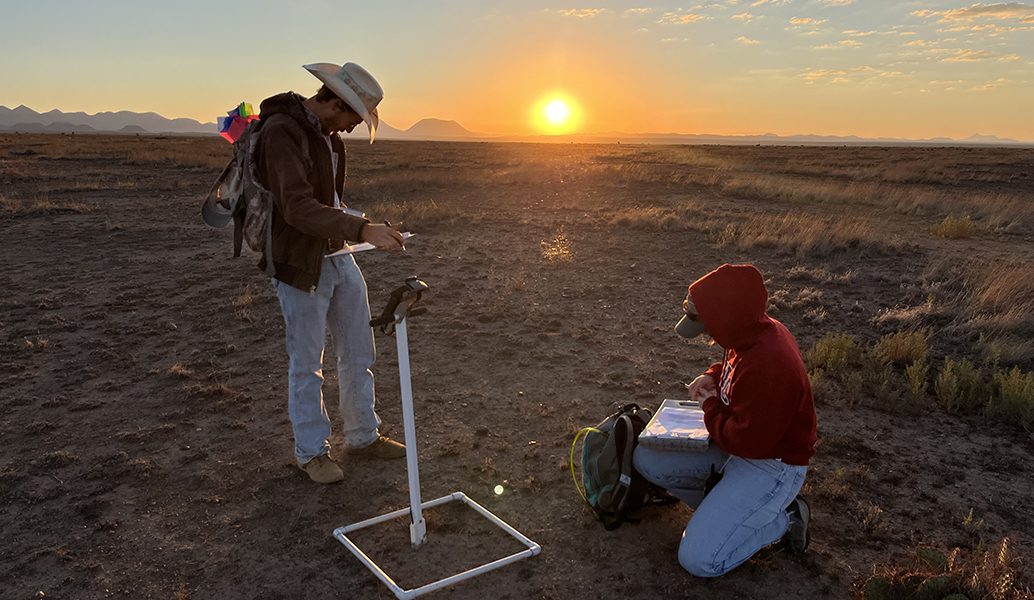
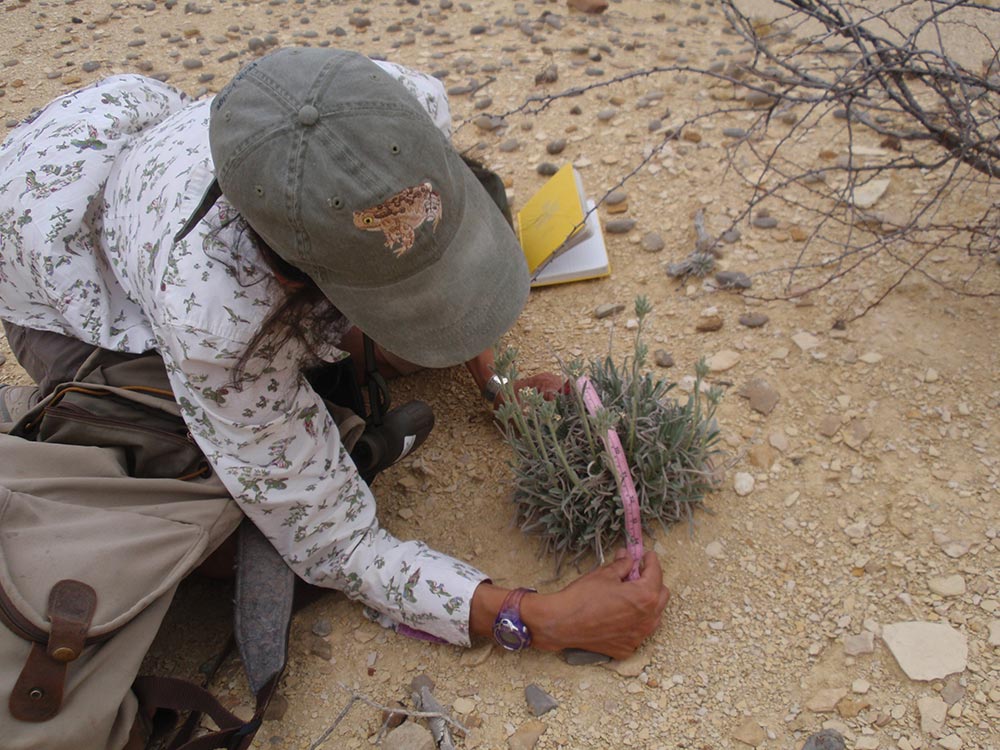
The Borderlands region contains a wide variety of geologic and soil types, as well as significant climatic variation that yields many different vegetation communities. This vegetation is important to land managers as they work with livestock, wildlife, watersheds, riparian areas, and aesthetics of the land. For many reasons, the present vegetation community may not meet a landowner’s needs for managing livestock, wildlife, and water. Research on large-scale projects on private lands will encourage the development of economically feasible ways to decrease bare ground, decrease undesirable species, and increase desirable species.

Wildlife-Habitat Relationships

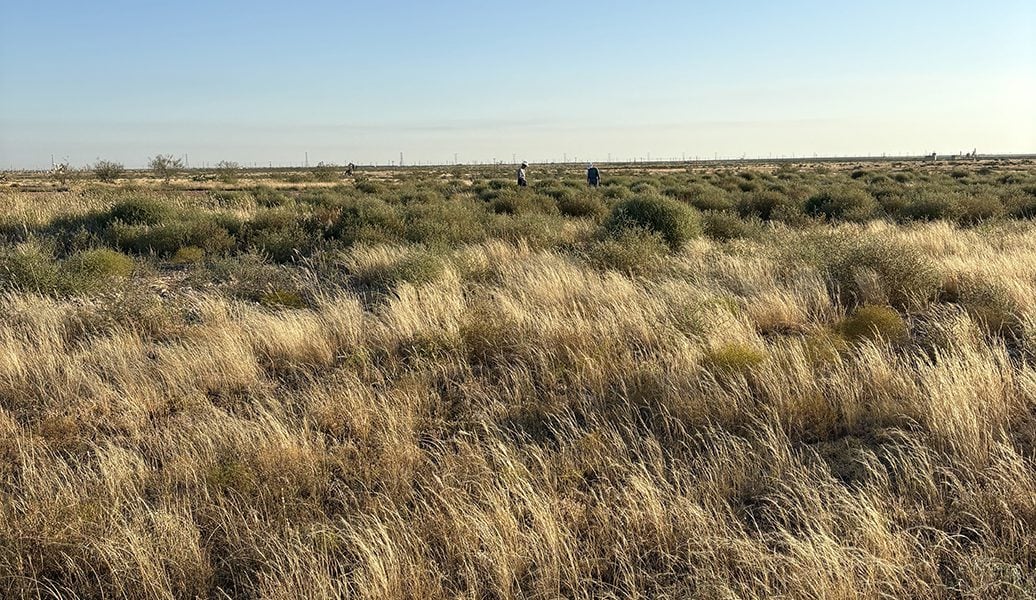
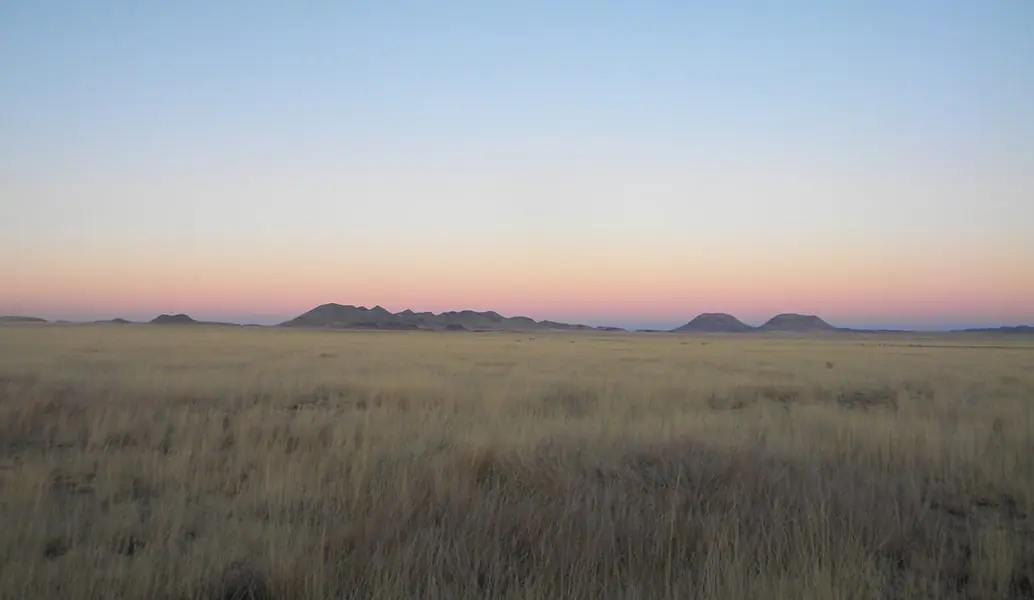
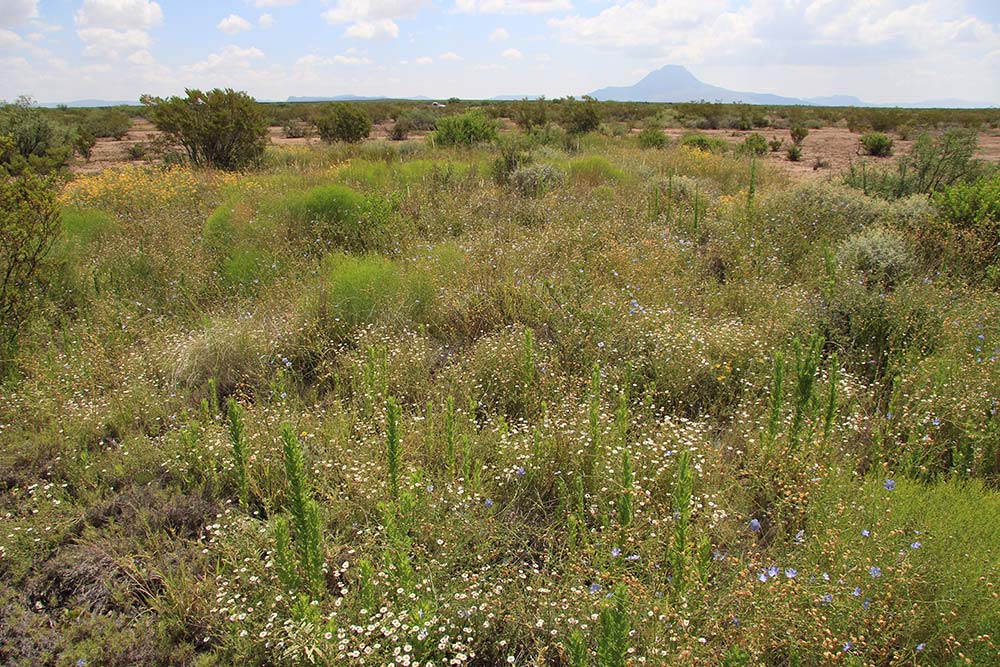
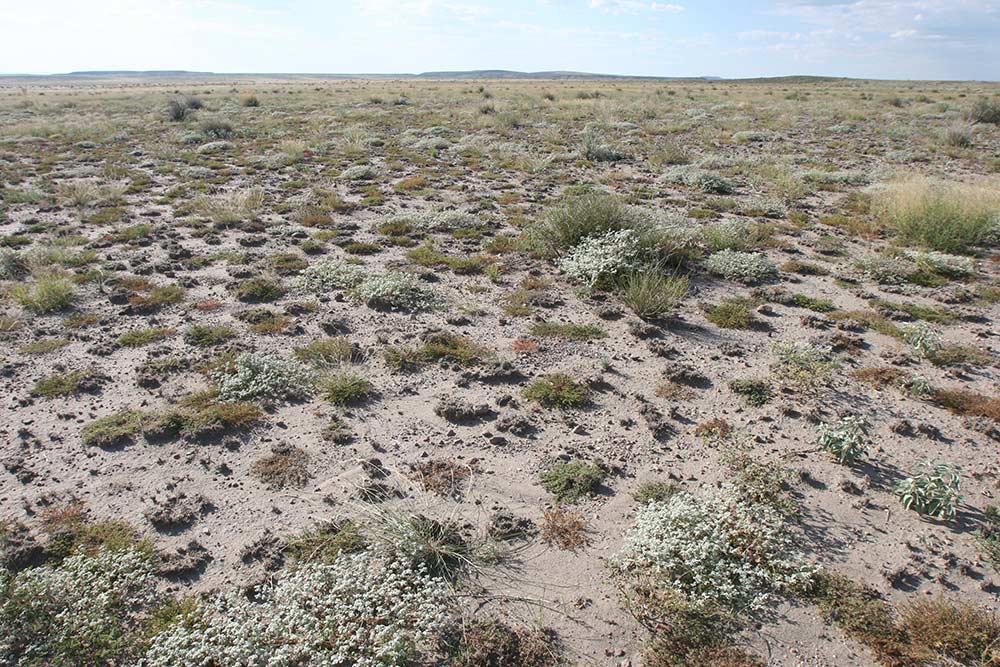
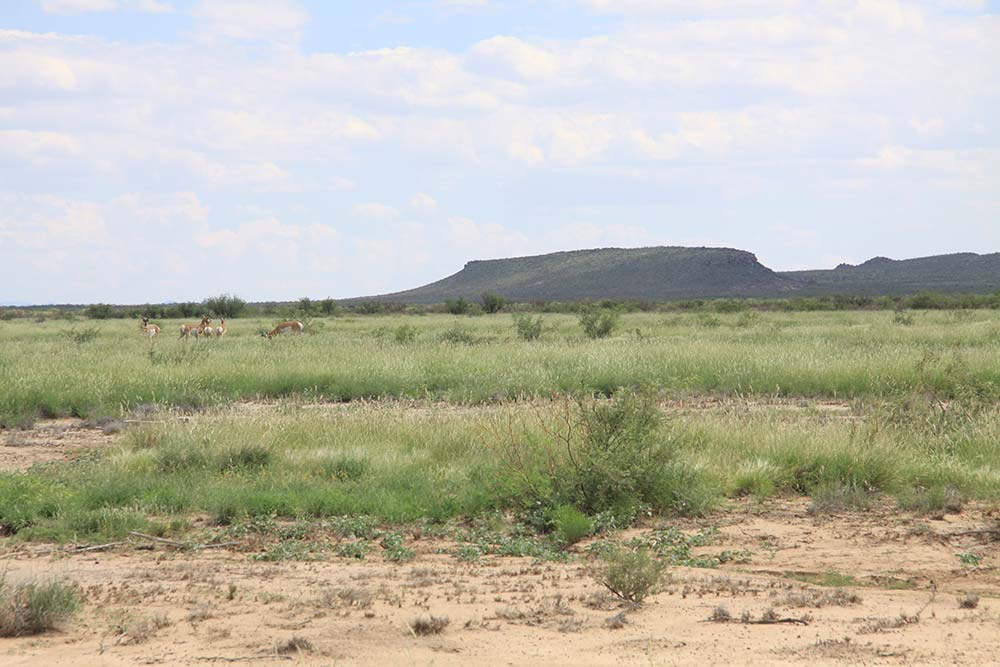
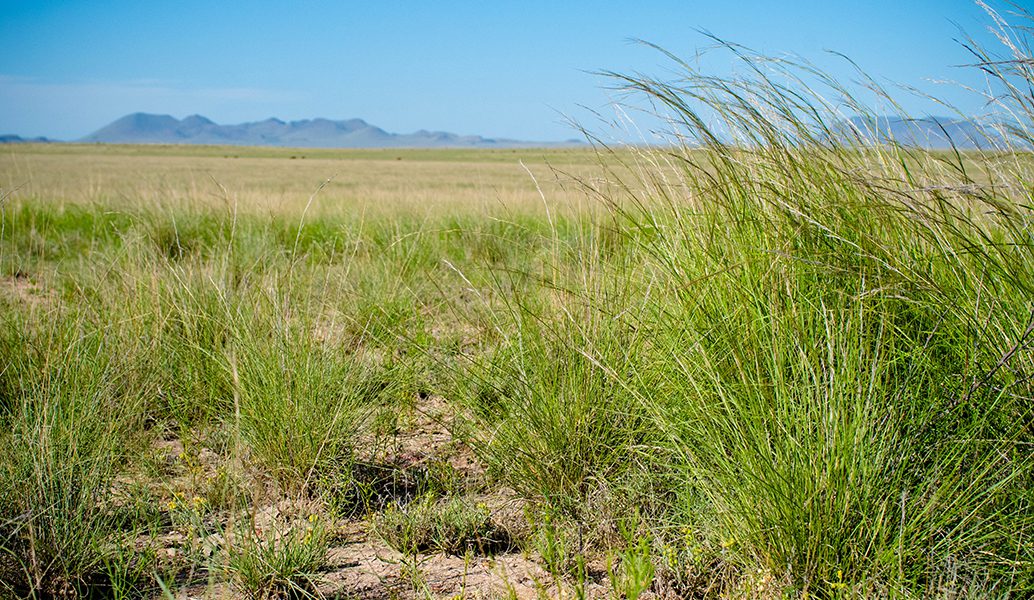
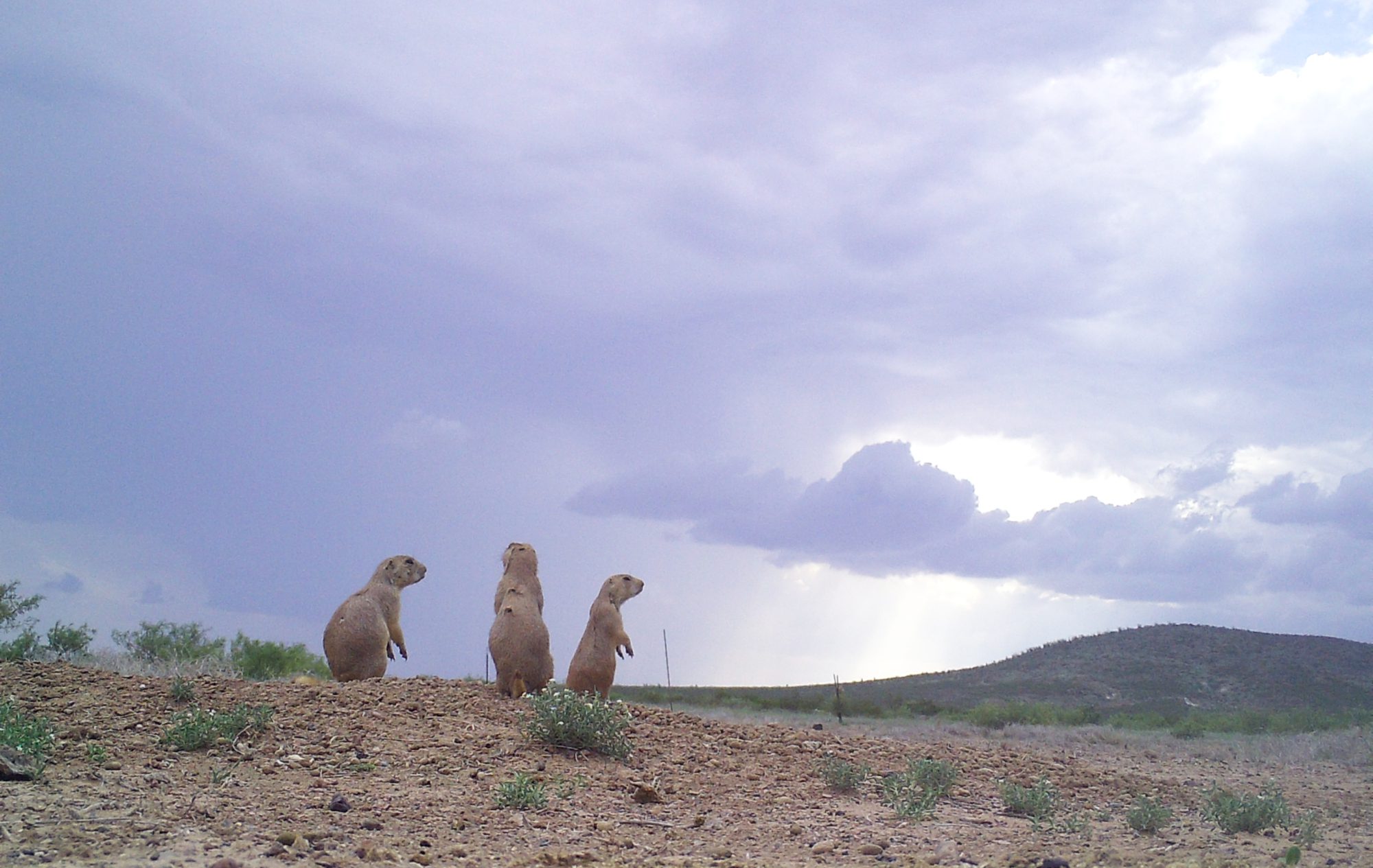
Historically, the Trans-Pecos region of Texas consisted of large expanses of desert grasslands interspersed with succulents and shrubs. These unique and vibrant rangelands supported a wide variety of wildlife, and provided important grazing land for livestock operations. However, in recent history, drought, climate change, overgrazing by livestock, and suppression of grassland fires have changed these historic ecosystems. In many places, grasslands have been overtaken by shrub species, which results in decreased forage availability for both livestock and wildlife, and increased soil erosion. Additionally, commercial interests and development have impacted native plant species. The good news is that West Texas landowners are concerned about restoring and conserving the native rangelands of this area, and we at Borderlands Research Institute are committed to helping landowners achieve this by providing research-based solutions. Our rangeland restoration research is varied, but focuses on providing specific information that will allow landowners to make informed management decisions.

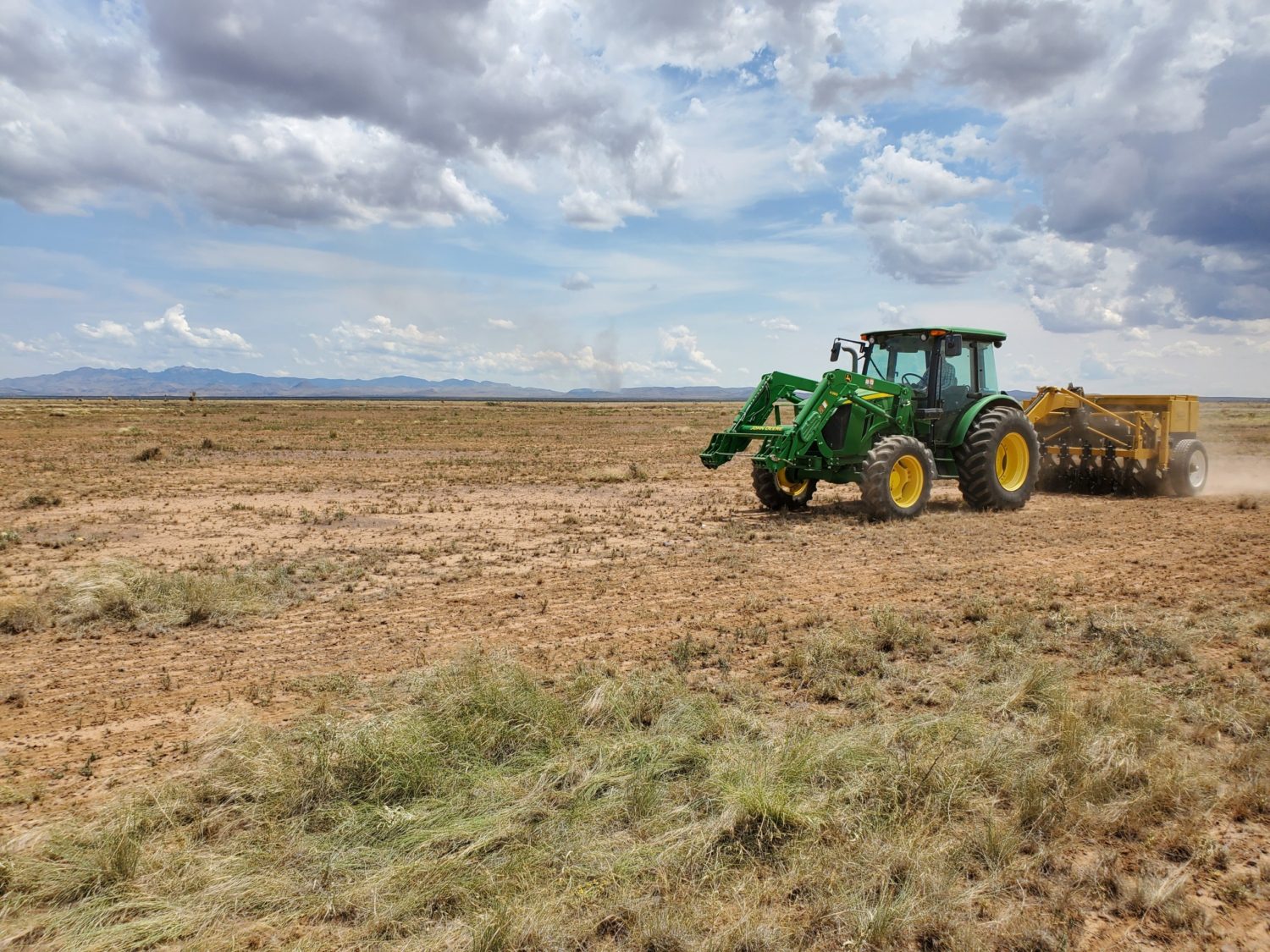
Rangeland Restoration

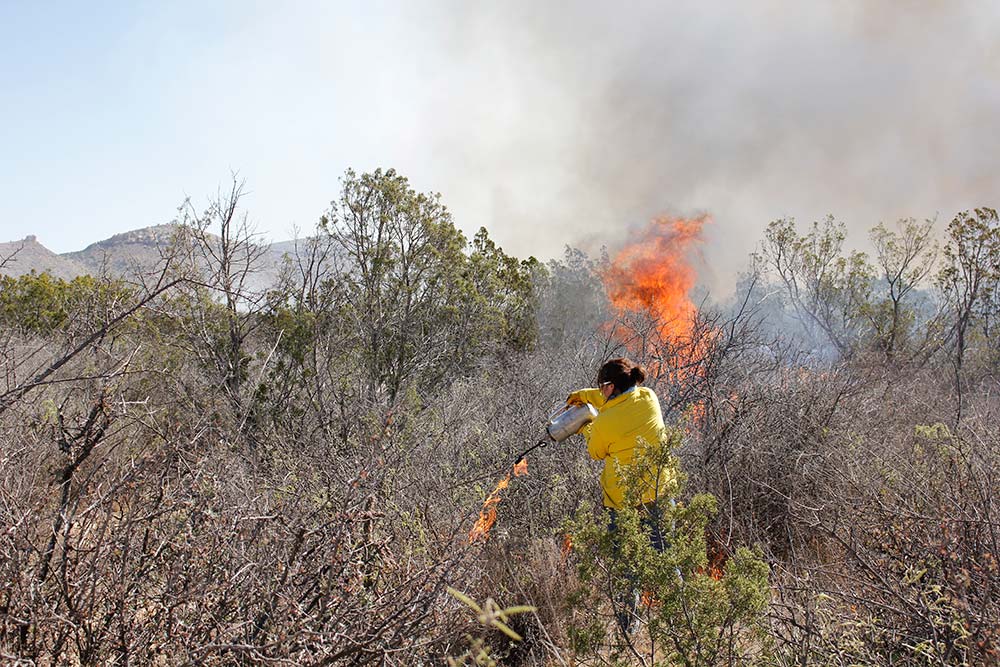
The practice of natural resource management has been conducted in some form or another for hundreds of years. In contemporary societies, management efforts have focused on returning a disturbed ecosystem to some perceived historical condition defined by the stakeholders. Rangeland Restoration is interdisciplinary and must consider ecological, practical, and scientific issues to be successful. Restoration integrates principles from ecology used to repair ecosystems that have been degraded, damaged, or destroyed. Modern management of ecosystems attempts to recover the composition, structure, and function of these complex systems. Additionally, the widespread and costly effects of the 2011-2012 fires sparked the need to properly investigate and manage land in the Trans-Pecos. Although grassland ecosystems—such as those in the Chihuahuan Desert—evolved with fire and can benefit from the application of prescribed burns, research is needed to understand how this tool can be effectively used in an arid landscape to achieve restoration goals. Our researchers study a range of management approaches to evaluate best practices for landowners.

Livestock-Habitat Interactions

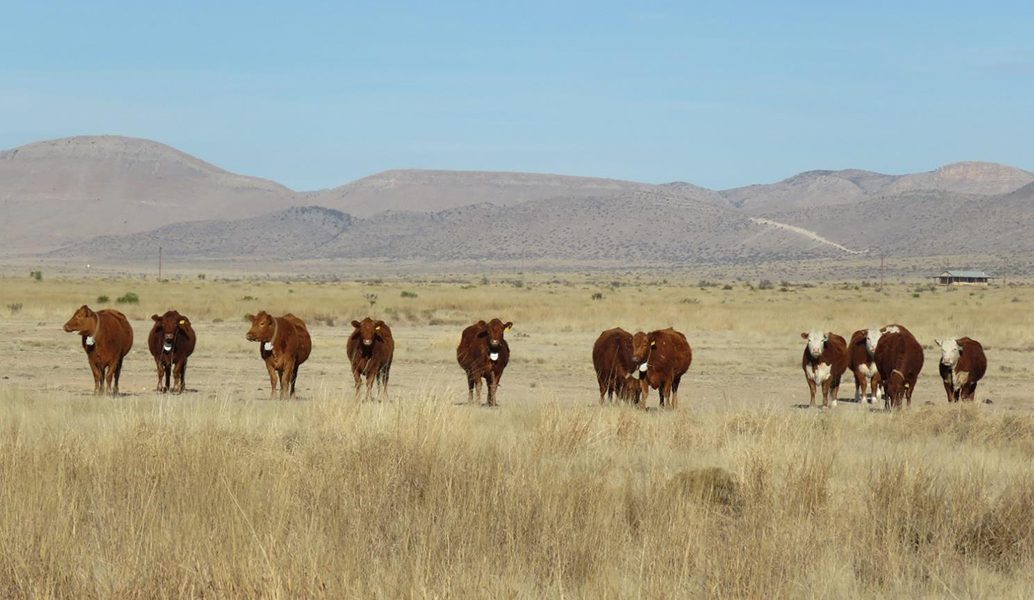
Studying the interactions between livestock and habitat helps us understand how vegetation responds to livestock grazing, which is common across the Trans-Pecos. Livestock grazing affects the diversity, spatial arrangement, growth, nutritional quality, and palatability of rangeland plants, which also affects the wildlife that uses these landscapes. Our research allows us to understand the impacts of grazing strategies on vegetation, livestock, wildlife, and watersheds, which, in turn, can inform grazing management strategies for domestic and wild animals.

Rangeland Ecology
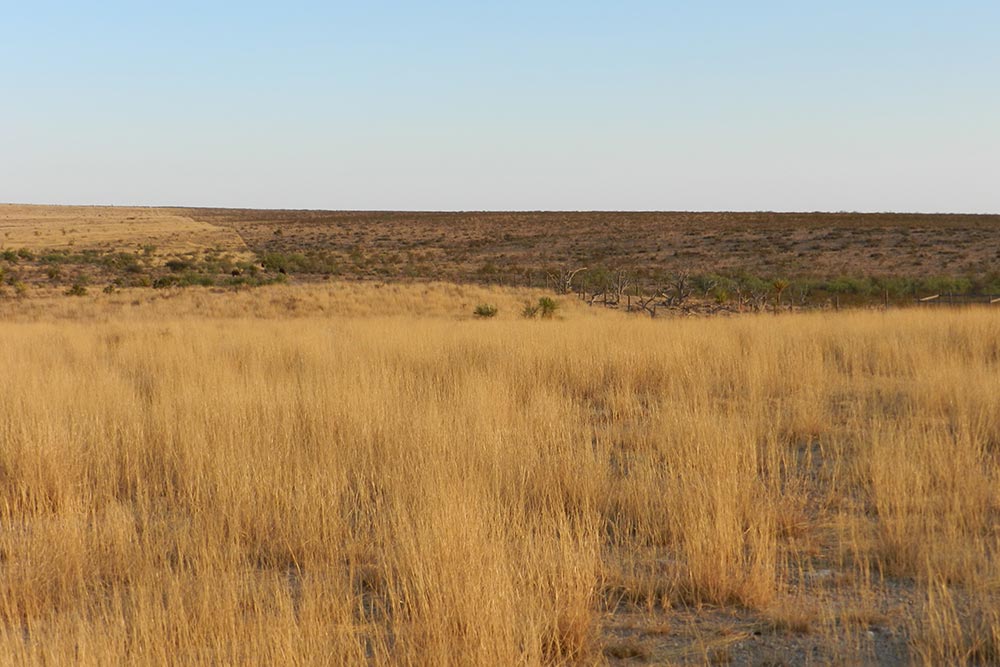
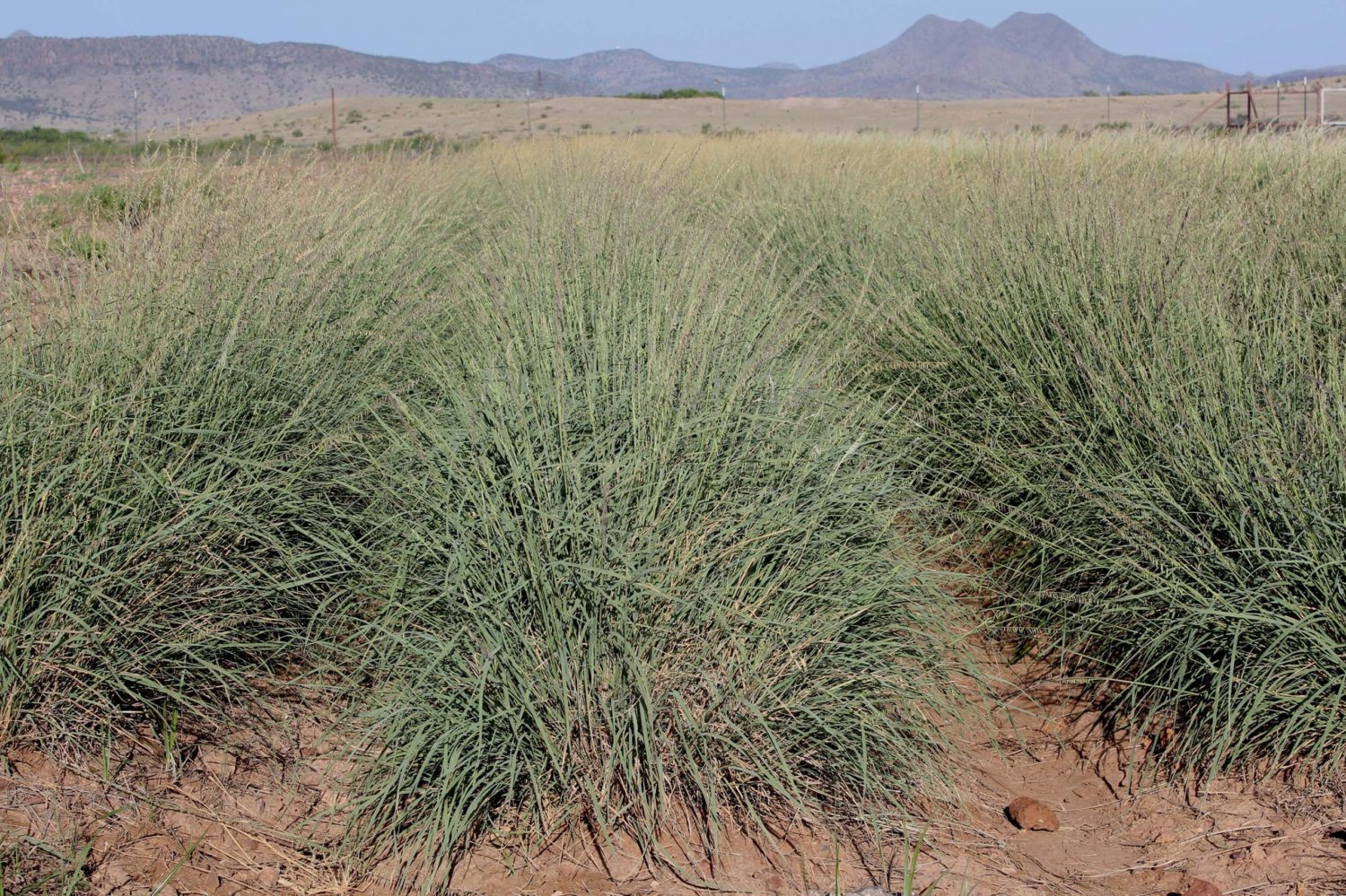
Rangelands are a dynamic landscape composed of many resources, which produce numerous ecosystem services. Rangeland Ecology is a field of study devoted to understanding and managing these crucial ecosystems. The rangeland landscape are continually modified by a suite of non-human forces, including grazing, fire, and climate. Humans also modify rangelands directly through development (e.g., energy, mining, transportation, and communications infrastructure) and management (controlling or igniting fires, managed grazing), and indirectly by introducing invasive species. Understanding rangeland ecology allows to better predict how management practices or natural disturbance will impact the vegetation communities in rangelands. For the native plant component of our work, we partner with the Caesar Kleberg Wildlife Research Institute at Texas A&M Kingsville to form the West Texas Native Seeds program. This program helps develop and promote native plants for the restoration and reclamation of habitats on private and public lands across West Texas.