Personal Profile
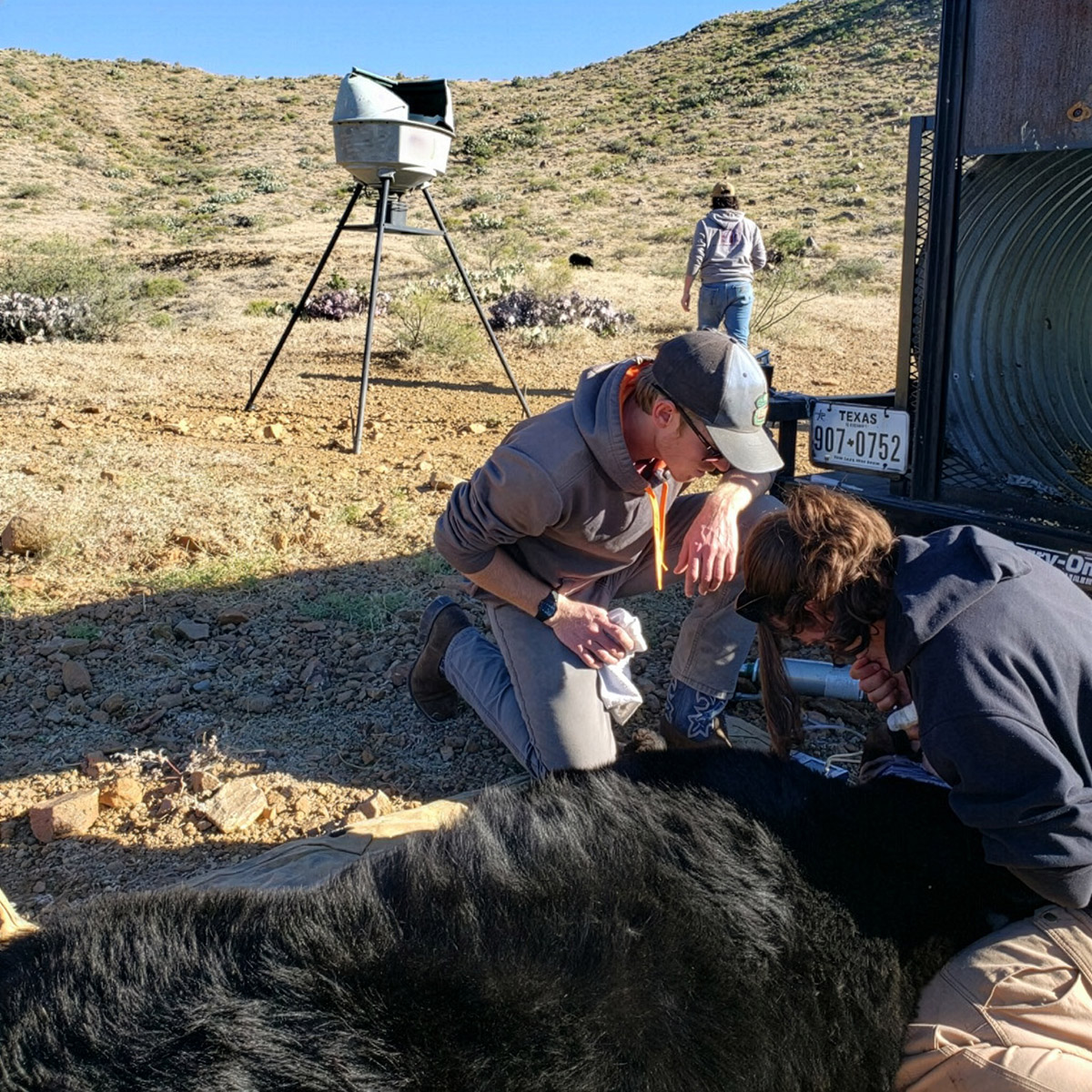
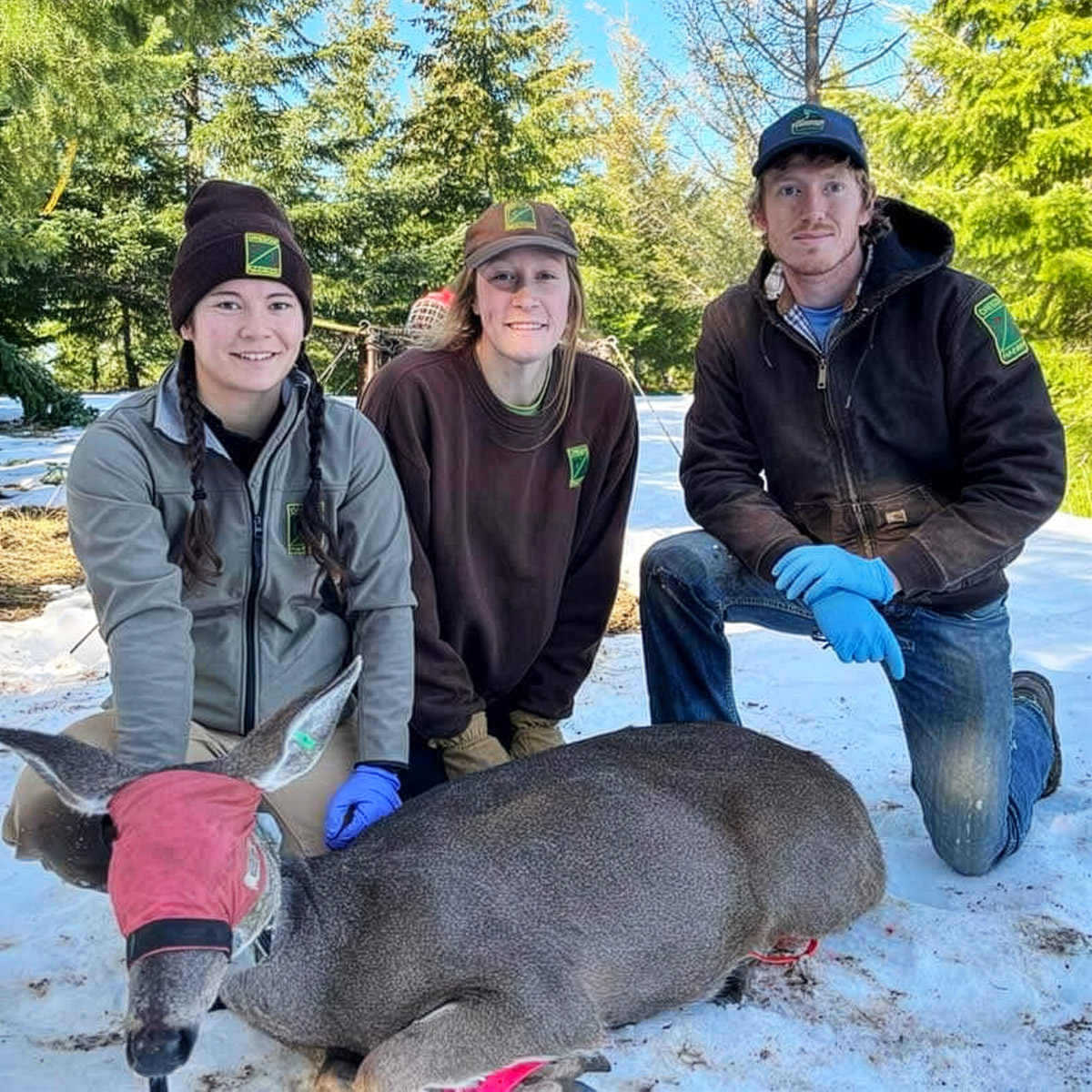
Matt grew up in Kingsville, Texas, where he developed a passion for wildlife and wild places. Because of his exposure to the outdoors in Texas and around the country, he knew from an early age that he wanted to work with wildlife. Pursuing his interests, he received a bachelor’s degree from Texas A&M University–Kingsville in range and wildlife management, and soon after a master’s degree from Sul Ross State University where he looked at determining the potential distribution of kit fox in the Trans-Pecos. After his schooling, Matt took a job with the Oregon Department of Fish and Wildlife where he assisted with a great variety of wildlife research projects including black-tailed deer and Roosevelt elk. Now Matt is back in Texas working towards his Ph.D. degree looking at different aspects of the Trans-Pecos black bear population.
Project Summary
Black bears once occupied a large portion of Texas but started to see a dramatic decline starting in the early 1900s due to unregulated hunting and large-scale carnivore control efforts. However, starting in the late 1990s black bears began to recover some of their previously lost territories. Theoretically, they are coming from the mountains in northern Mexico and becoming more abundant in Big Bend National Park and surrounding areas. In recent years, they have started to make their presence known in the local communities. Understanding how black bears use the landscape, how they are affected by the climate, various anthropogenic factors, and how they may start to occupy more landscapes will help management agencies and local communities prepare for their continued expansion.