About Us
Advancing conservation science through research, education, and partnerships across the Borderlands.

GRADUATE ASSISTANT
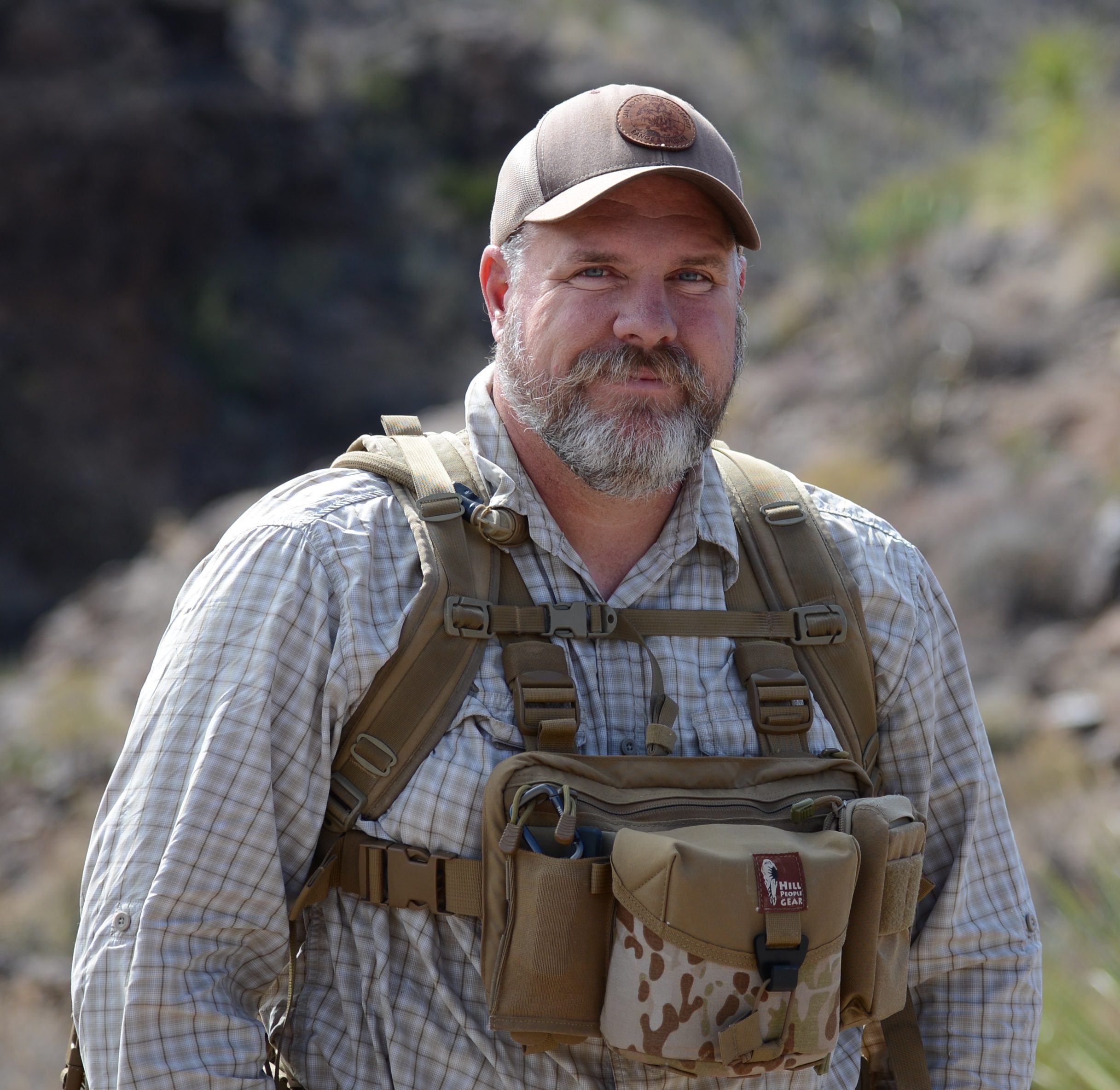
Jason Crosby
MS Student
Project: Comparing precision and scale-transferability of rangeland monitoring methods for grassland restoration in the Trans-Pecos, Texas
Advisor: Drs. Carlos E. “Lalo” Gonzalez and Justin T. French
Jason spent his childhood roaming the Sumpter National Forest where he learned to love and appreciate the natural world. He is driven by two lifelong principles- learning and service. After a career spent outdoors, he moved to Alpine and enrolled at Sul Ross State University to continue his pursuit of those tenets, earning a bachelor’s degree in Natural Resource Management with a concentration in Range Management. He is honored and excited to continue his growth in the field of rangeland management as part of the team at the Borderlands Research Institute.
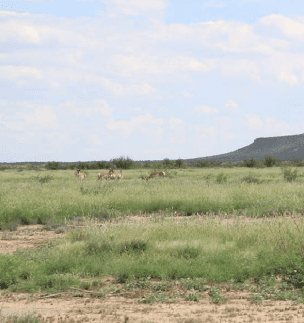
Rangelands make up nearly half of the earth’s land surface and provide critical ecosystem services. However, anthropogenic activities such as habitat fragmentation and excessive livestock grazing regimes have transformed rangelands into brush-dominated landscapes. The consequences of habitat degradation include loss of wildlife, soil erosion, reduced water harvest, and lower carbon sequestration. Such concerns drive restoration and numerous monitoring methods exist to measure such efforts. Detecting change from restoration is essential to determining its efficacy. Jason’s project aims to compare methods to evaluate the rate of change for brush cover and herbaceous production after restoration efforts. He will use satellitederived spectral data and manual monitoring methods. This will determine the scales at which remotely sensed data can capture change in brush communities with an equal or greater degree of precision than manual monitoring. His analysis will also determine gains per unit cost (in terms of hours and dollars per change in unit of precision). Identifying which methods are most efficient at assessing rates of change in these landscapes will assist stakeholders in the planning of grassland restoration in the region.