
Written By: Cindi Meche, eMBA
Dr. Louis Harveson, Director of Borderlands Research Institute at Sul Ross State University, recently noted, “In a state that is 95% privately owned, the future of Texas wildlife and working lands rests squarely in the hands of private land stewards.” The Diversifying Land Use in the Trans-Pecos: Informing Landowner Strategies for Conservation and Economic Sustainability event was all about providing landowners with information they can use when facing development decisions, and tools for stewarding their land for future generations of ranching families.
Hosted on November 13 at Sul Ross State University’s Morgan University Center, the full-day workshop brought together experts, researchers, ranch managers, and landowners for an in-depth look at evolving opportunities across West Texas. Dr. Bonnie Warnock opened the day by emphasizing that, while landowners and ranch managers have a lot of knowledge and skills to quickly adapt to change, there is a deep importance in connecting people of different specialties to help with guidance in new economic territories.
The morning began with a deep dive into Energy Development. Moderated by James Oliver of Texas Agricultural Land Trust (TALT), attorneys Matt Harriger and Parks Brown answered complex questions about aspects of modern land use, such as renewable energy, oil and gas, and long-term implications of agreements. They stressed the urgency for bringing on legal services early in the process before deadlines pass. They also discussed how to protect operational flexibility for future generations.
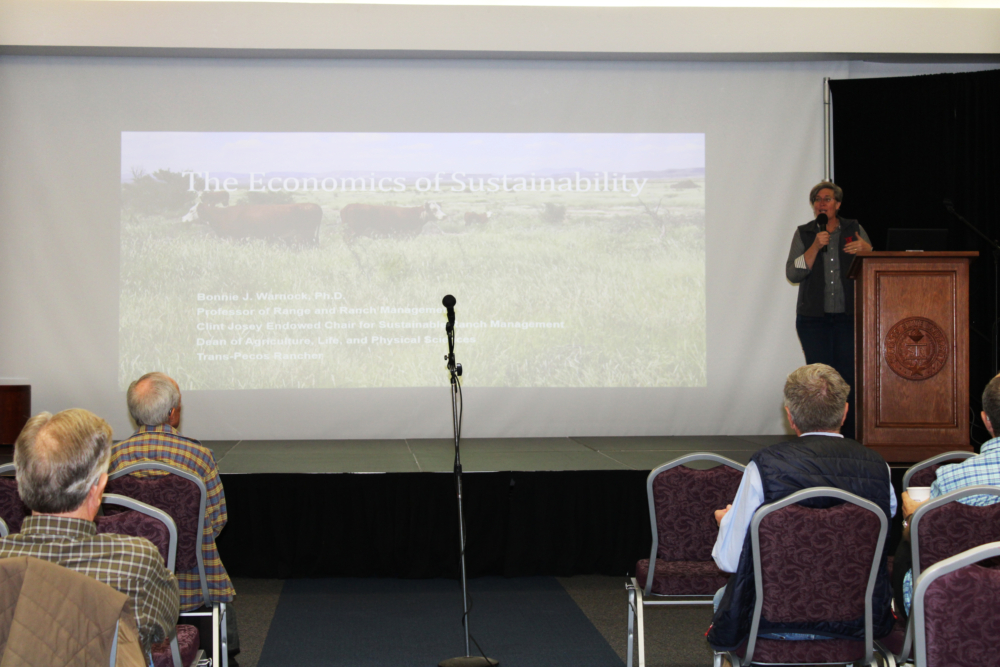
Attendees then shifted to Landowner Tools with Dr. Bonnie Warnock. She presented on the economics of sustainability and provided an in-depth breakdown of how to view methods to build resiliency.
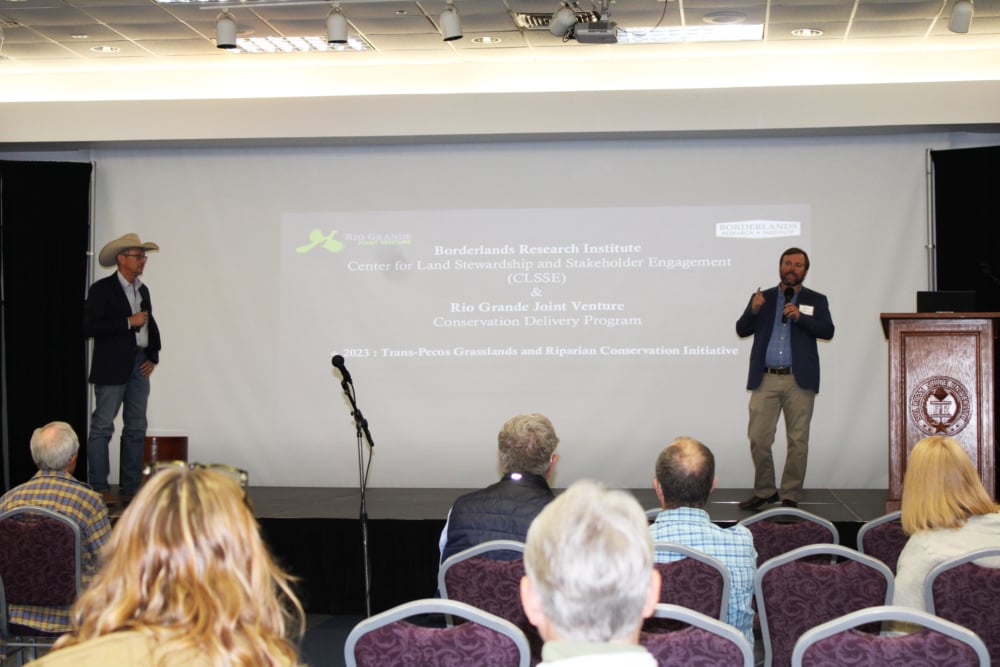
Next, attendees were given information on restoration and land management opportunities, with insights from Billy Tarrant with Borderlands Research Institute (BRI), and Price Rumbelow with Rio Grande Joint Venture. They highlighted the importance of restoring grasslands, associated riparian areas, and supporting wildlife habitat, and how those transformations can enhance a ranch’s ecosystem.
Peyton Schumann of the Texas and Southwestern Cattle Raisers Association provided a timely update about the screwworm fly. He gave an in-depth view of the life of a screwworm, and the historical eradication from the U.S., as well as its current potential northward move through Mexico.
The afternoon programming moved on with Alternative Markets with insights on energy impacts to ranch operations and landowners. Dr. Bill Fox shared information on soil carbon on grazinglands, explaining the four ecosystem processes and the difference between carbon sequestration and storage.
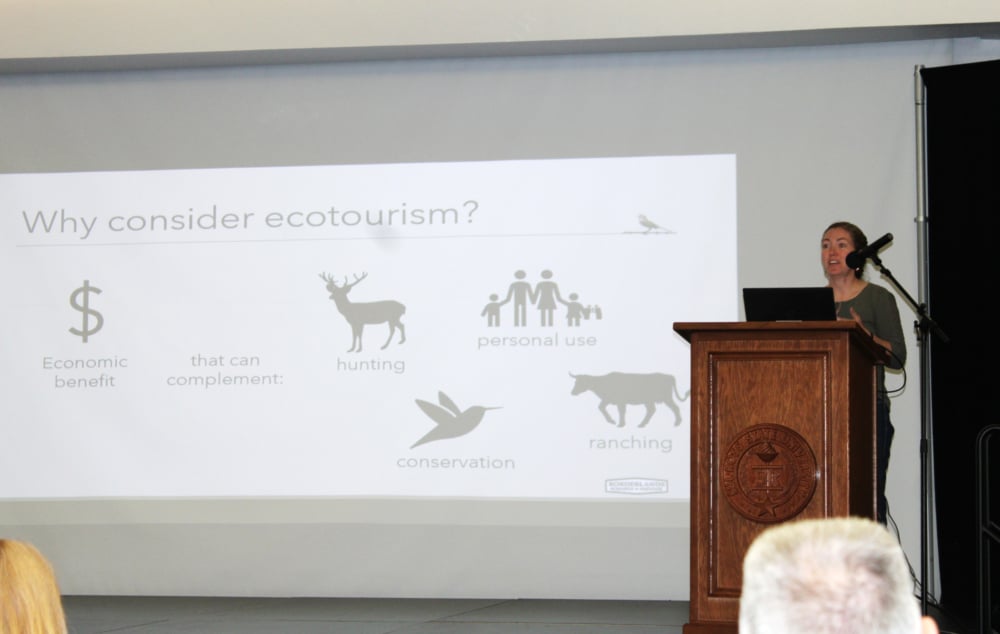
Next, the focus turned to Chad Ellis with Texas Agricultural Land Trust, who took things a step further and explained how new emerging markets can create more possibilities for diversified income. Then Dr. Maureen Frank looked at ecotourism as another way to utilize a ranch and its assets. From “birders” to “shutterbugs,” she demonstrated how the use of unused space can be made profitable in off-seasons and discussed the importance of conserving and showcasing cultural resources as potential revenue streams.
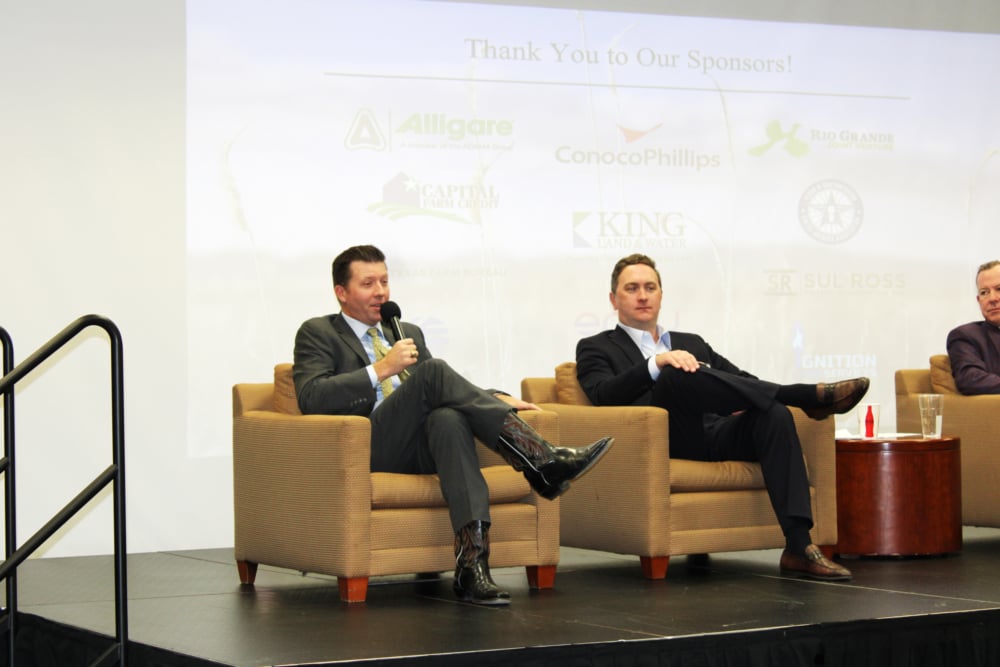
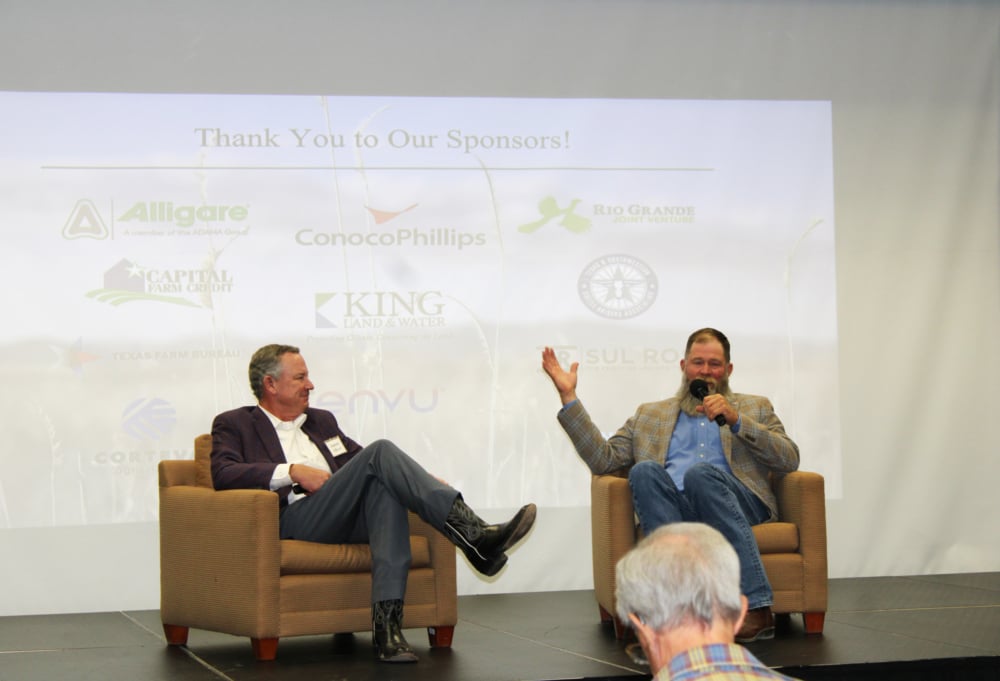
Dr. Jason Sawyer of the East Foundation set the stage for a candid conversation on Landowner Perspectives with Lowell Woodward and Ann Mitchell. Their stories covered negotiations, communication with developers, property challenges, financial impacts, and lessons learned. This gave attendees an honest perspective that demonstrates how diversification is not a one-size-fits-all scenario. James Oliver and Clay Miller with TALT discussed the implications of utilizing a conservation easement on a ranch, both from a professional and personal viewpoint.
The event closed with a social at the Museum of the Big Bend, where participants and attendees had an opportunity to see a rainfall simulator demonstration, showing the effects of grass or other types of groundcover on water infiltration vs. runoff.
Photos by: Cindi Meche, eMBA