
Our Work
GAME BIRD RESEARCH
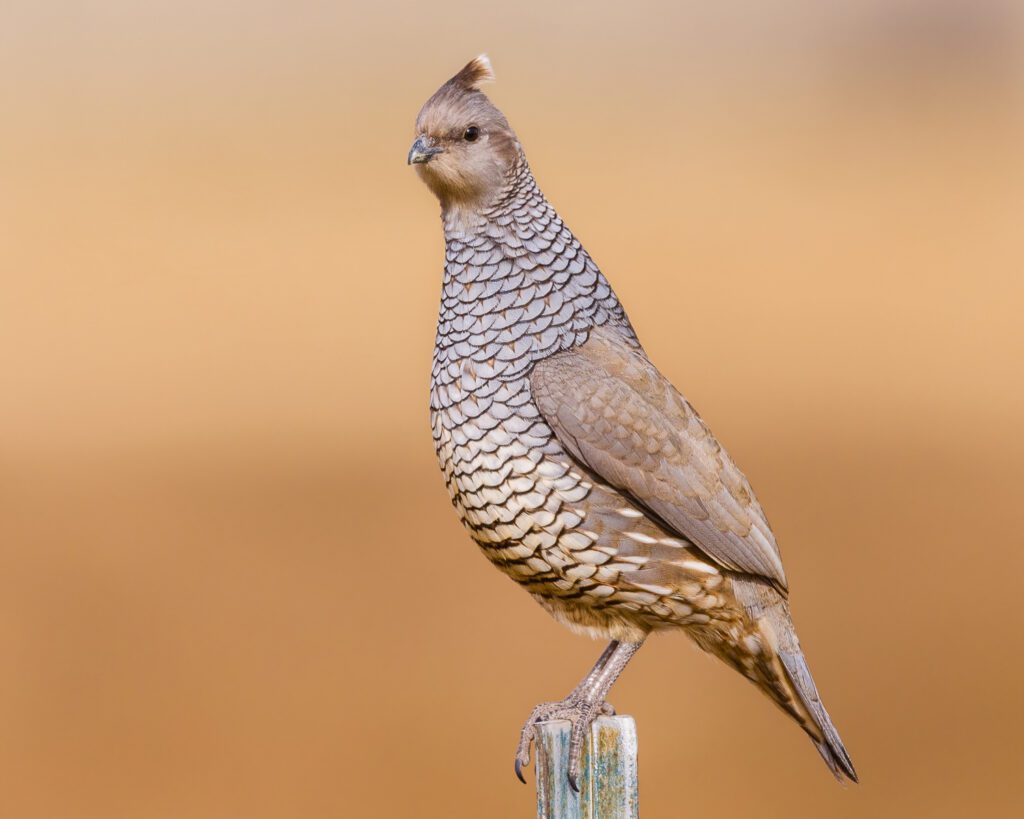
The Game Bird Program’s goal is to advance our knowledge of game bird ecology in the Chihuahuan Desert. We conduct targeted studies on scaled quail, Gambel’s quail, Montezuma quail, turkey, and waterfowl. The overall focus of our studies is to yield valuable information that can be passed along to landowners or managers to aid in making sound management decisions for these species.
Explore GAME BIRD RESEARCH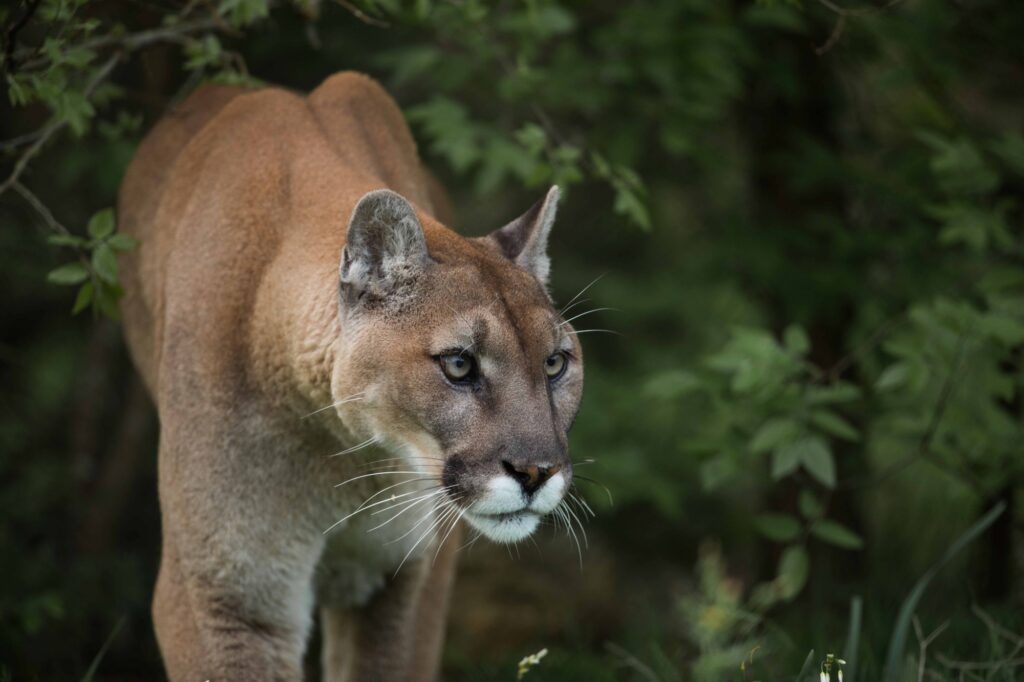
CONSERVATION BIOLOGY RESEARCH
The Chihuahuan Desert Borderlands are one of the most diverse regions of the world, supporting over 500 species of birds, over 170 species of reptiles and amphibians, and over 120 species of mammals. The habitat requirements and population dynamics of songbirds, carnivores, and other nongame species are poorly understood. Our researchers partner with private landowners and other resource agencies to better understand their life history.
Explore CONSERVATION BIOLOGY RESEARCH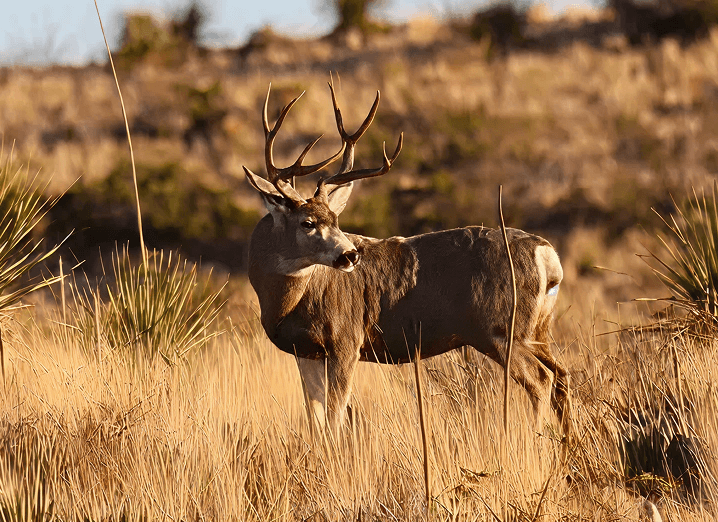
Big Game Research
The Chihuahuan Desert Borderlands are home to a diversity of big game animals that is unparalleled, including desert mule deer, pronghorn, desert bighorn sheep, Carmen Mountains white-tailed deer, and elk. Despite this variety of large game and their economic importance, there is relatively little information available regarding their management. Learning more about these big game animals is a priority for our researchers.
Explore Big Game Research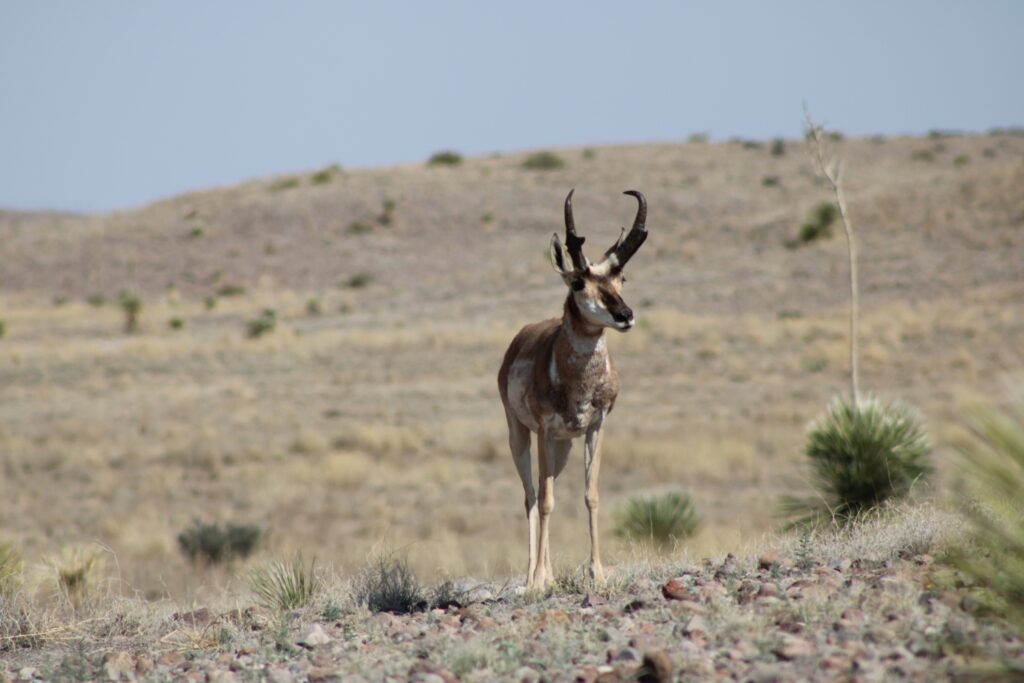
Habitat & Rangeland Ecology
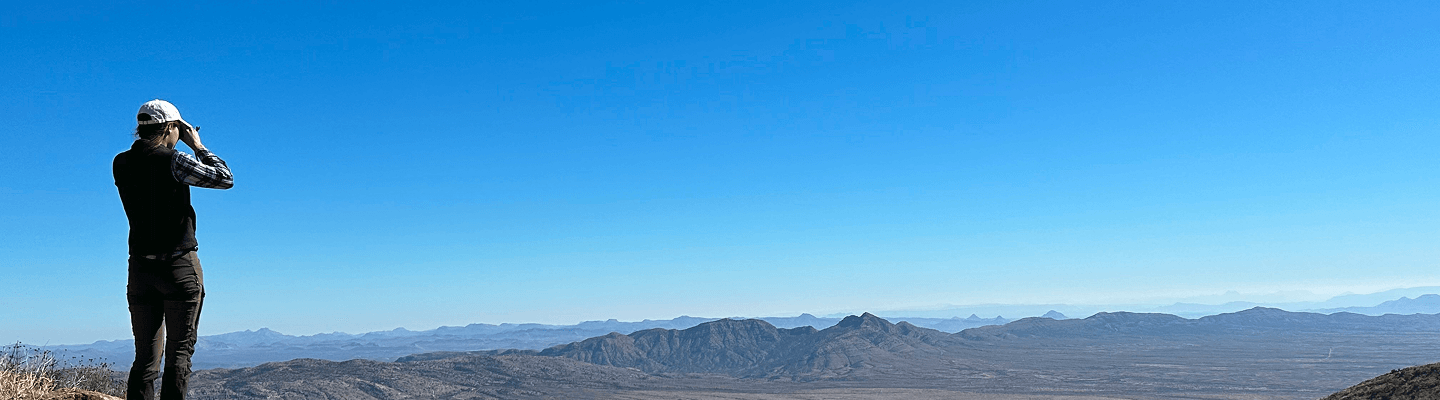
The Habitat Management Program at the Borderlands Research Institute focuses on advancing science-driven management of arid ecosystems in the Trans-Pecos region of West Texas. Our work combines principles of rangeland ecology, livestock production, hydrology, vegetation dynamics, soils, and remote sensing methods to better understand and manage diverse landscape processes. Combining traditional on-the-ground and emerging tools such as drone-based imagery with high-resolution monitoring, we can quantify vegetation change, soil conditions, and restoration outcomes at scales previously difficult to assess. This approach allows us to move beyond observations to the development of comprehensive, data-driven insights into ecosystem function.
Our goal is to translate this information into practical, economically viable management strategies for land stewards that improve rangeland health, increase resilience toward environmental variability, and advance sustainable land use for landowners and natural resource professionals across the Chihuahuan Desert.
- Wildlife-Habitat Relationships/Remote Sensing
- Rangeland Restoration
- Livestock-Habitat Relationships
- Rangeland Ecology