
Our Work
Field-based research, education, and partnerships advancing wildlife conservation and resilient landscapes across the Borderlands.
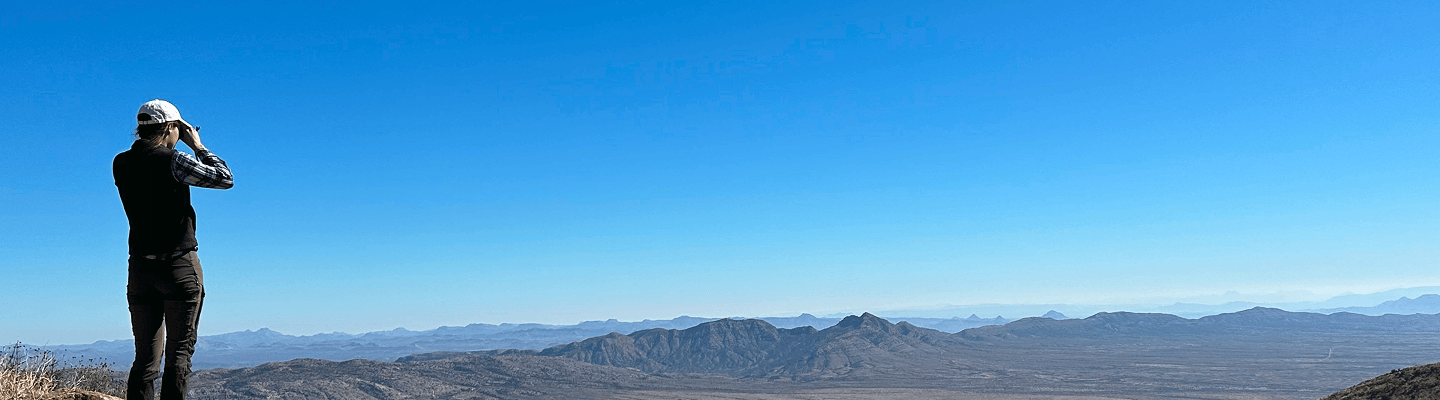
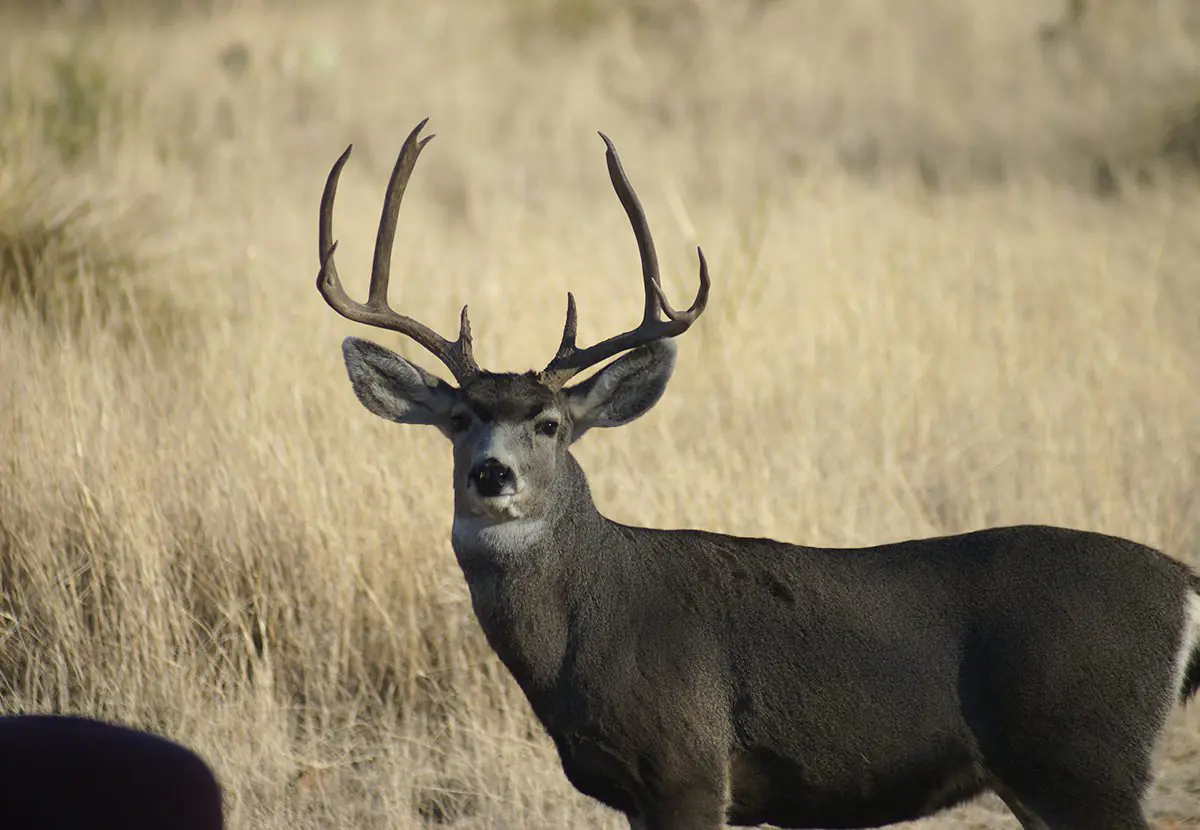
How Do Mule Deer Cope With Drought And Competition In The Trans-Pecos Region, Texas?
By Maggie Rector, Mark Bell, Justin French, Levi J. Heffelfinger (TAMUK), Shawn Gray (TPWD)
Invasive species and extreme environmental conditions increasingly threaten native wildlife by intensifying competition and constraining resource availability, forcing species to make costly trade-offs.
Mule deer populations in the Trans-Pecos declined to a historic low in 2025, which is attributed to drought and other factors such as competition with aoudad. Reversing this decline requires understanding the effects of competition and drought, as well as how these stressors interact to limit behavioral flexibility and survival.
We are investigating responses to these stressors using GPS collar data collected from 2014 – 2025 representing six mule deer populations in the Trans-Pecos. We estimate population-level niches of mule deer based on individual-level habitat selection, estimated using integrated step selection analysis. We are incorporating dynamic information from remotely sensed data to capture the effects of vegetation phenology and changing habitat conditions on resource selection. We are examining changes in individual- and population-level niches, and specific functional responses in habitat selection under drought conditions, as well as their survival consequences.
Given the concurrent pressures of drought and competition, we expect that mule deer will be forced to expand to suboptimal habitat, at the expense of increased mortality risk. We also anticipate that individuals with greater niche flexibility will display higher survival, highlighting the importance of plasticity in coping with multiple ecological stressors.
By identifying the strategies that mule deer use to cope with limited resources, we hope to identify specific management strategies to offset the demographic costs of these trade-offs, ultimately mitigating future mule deer declines in the region.