About Us
Advancing conservation science through research, education, and partnerships across the Borderlands.

Graduate Assistant
Chloe Butler
PhD Student
Project: Understanding the factors influencing pronghorn population dynamics in the Trans-Pecos and the Texas Panhandle
Advisor: Drs. Justin French and Warren Conway
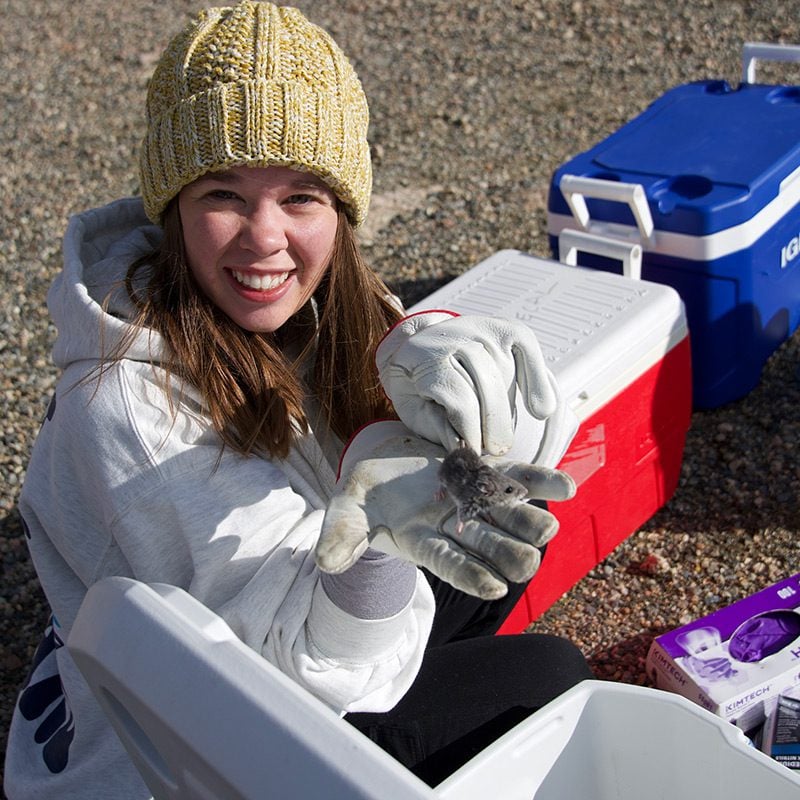
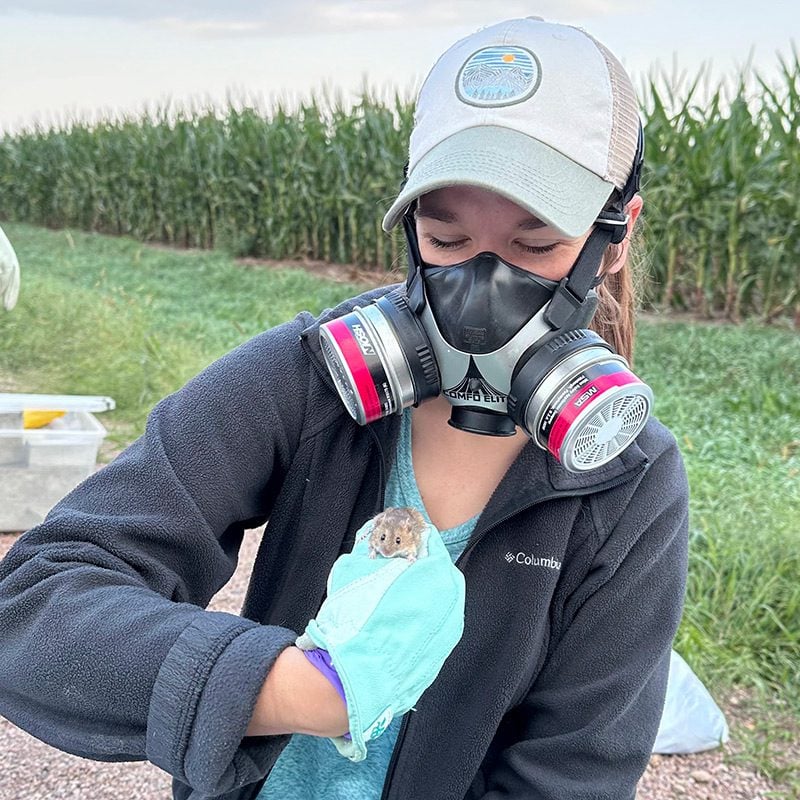
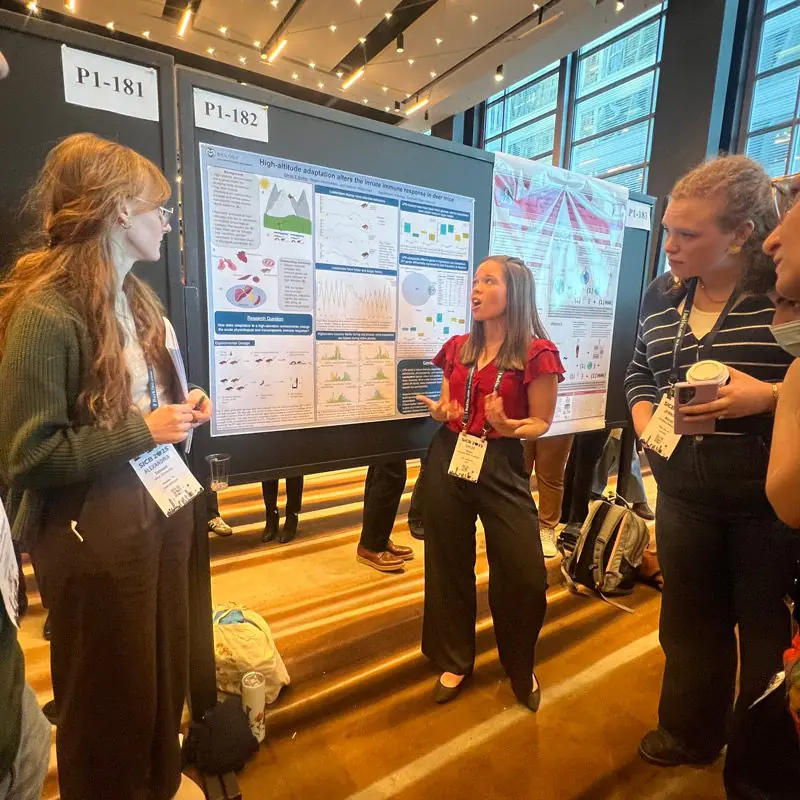
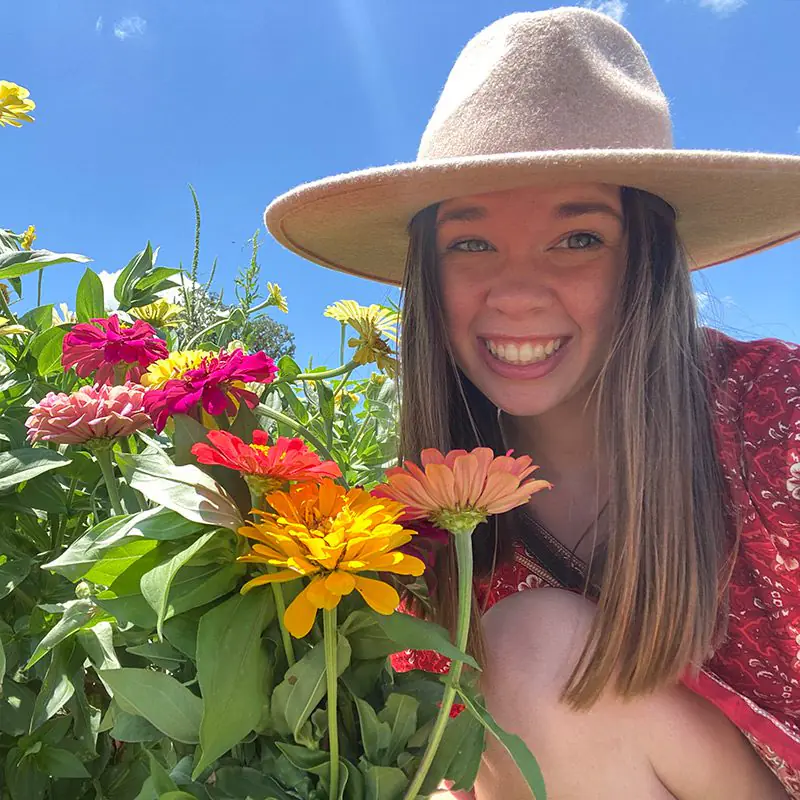
While Chloe wasn’t born in Texas, she proudly claimed it as her home when her dad retired from the military in San Antonio. In high school, she developed a love for microbiology and integrative biology—a passion that hasn’t faded since. She earned a BS in Zoology from Texas A&M University in 2022, followed by an MSc in Biological Sciences from Colorado State University in 2025, studying high-altitude adaptation in deer mice. Afterward, she developed her cell and molecular skillset in a cancer biology lab at the OU Health Sciences Center. Now, Chloe is thrilled to be back in Texas, studying the beautiful pronghorn and pursuing her PhD through the joint doctoral program between Sul Ross State University and Texas Tech University. Outside of work, she can be found with her Lassie-look-alike dog or doing something artsy.
The majority of pronghorn (Antilocapra americana) in Texas now live in two distinct ecosystems – the High Plains of the Panhandle and the mountainous desert of the Trans-Pecos. Since the late 1980s, pronghorn abundance in the Trans-Pecos has declined dramatically, encouraging translocation efforts from the Panhandle. Because these two regions face very different environmental pressures, comparing survival and fawn recruitment in both is important for long-term conservation. This project aims to determine the strongest demographic factors affecting pronghorn persistence across the Trans-Pecos and Panhandle by integrating past data from BRI and Texas Parks and Wildlife Department with three years of new adult doe and fawn capture data. We will build a population model evaluating how drought, habitat conditions, harvest levels, and predator management shape pronghorn population trajectories, giving TPWD a practical tool to guide long-term pronghorn conservation across the state.