Bridging the Borderlands
When Borderlands Research Institute (BRI) alumnus José Etchart encouraged leaders at El Paso Community College to take a closer look at Sul Ross State University, he wasn’t simply recommending his alma mater. He was sharing a path that had shaped his own career.
Today, Etchart serves as Texas Parks and Wildlife Department’s Desert Bighorn Sheep Program Leader. His success helped spark conversations that have grown into a new partnership between El Paso Community College, Sul Ross State University and the Borderlands Research Institute, one designed to open doors for the next generation of conservation professionals.
The partnership creates a clear transfer pathway for community college students pursuing careers in natural resource management, biology and geology. Students can complete their associate degree at El Paso Community College before transferring to Sul Ross to finish a bachelor’s degree in two additional years.
But transferring students is only part of the story.
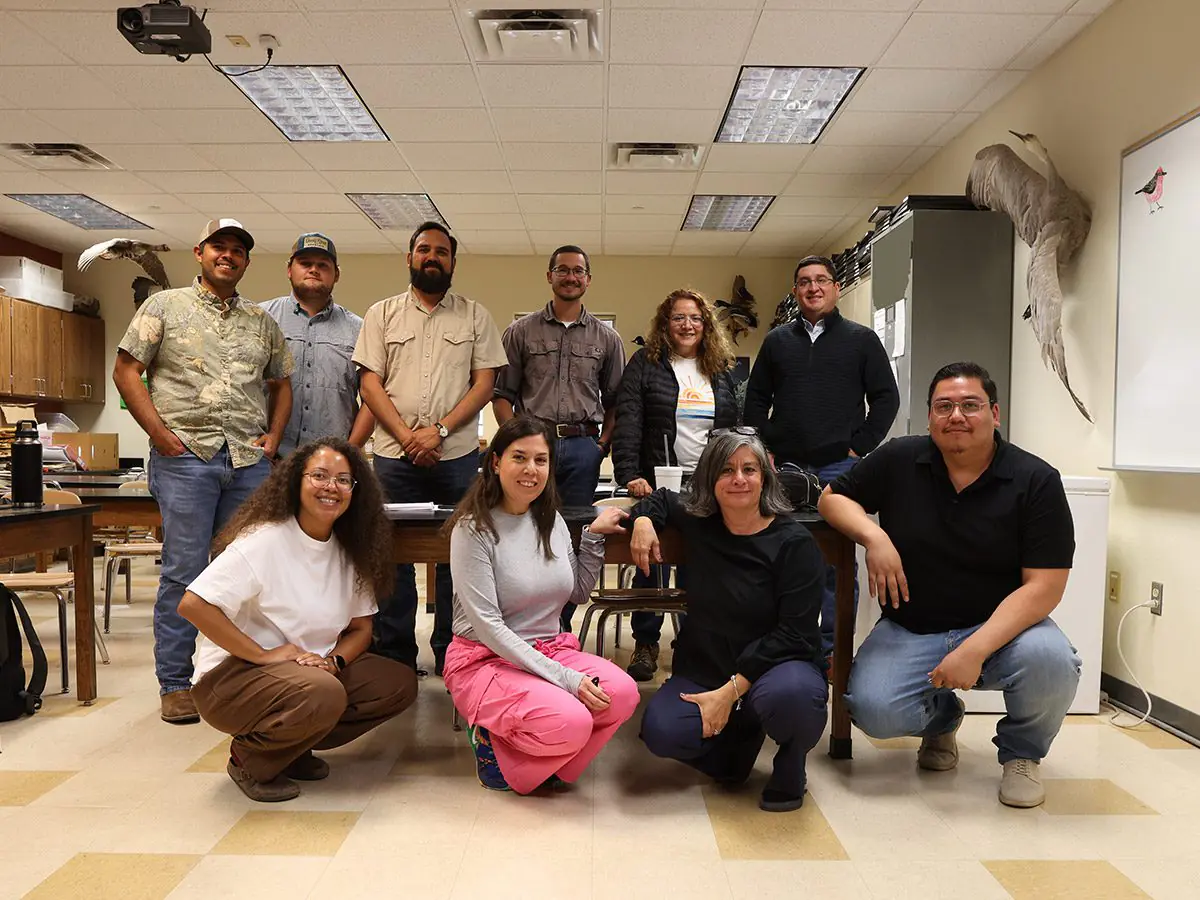
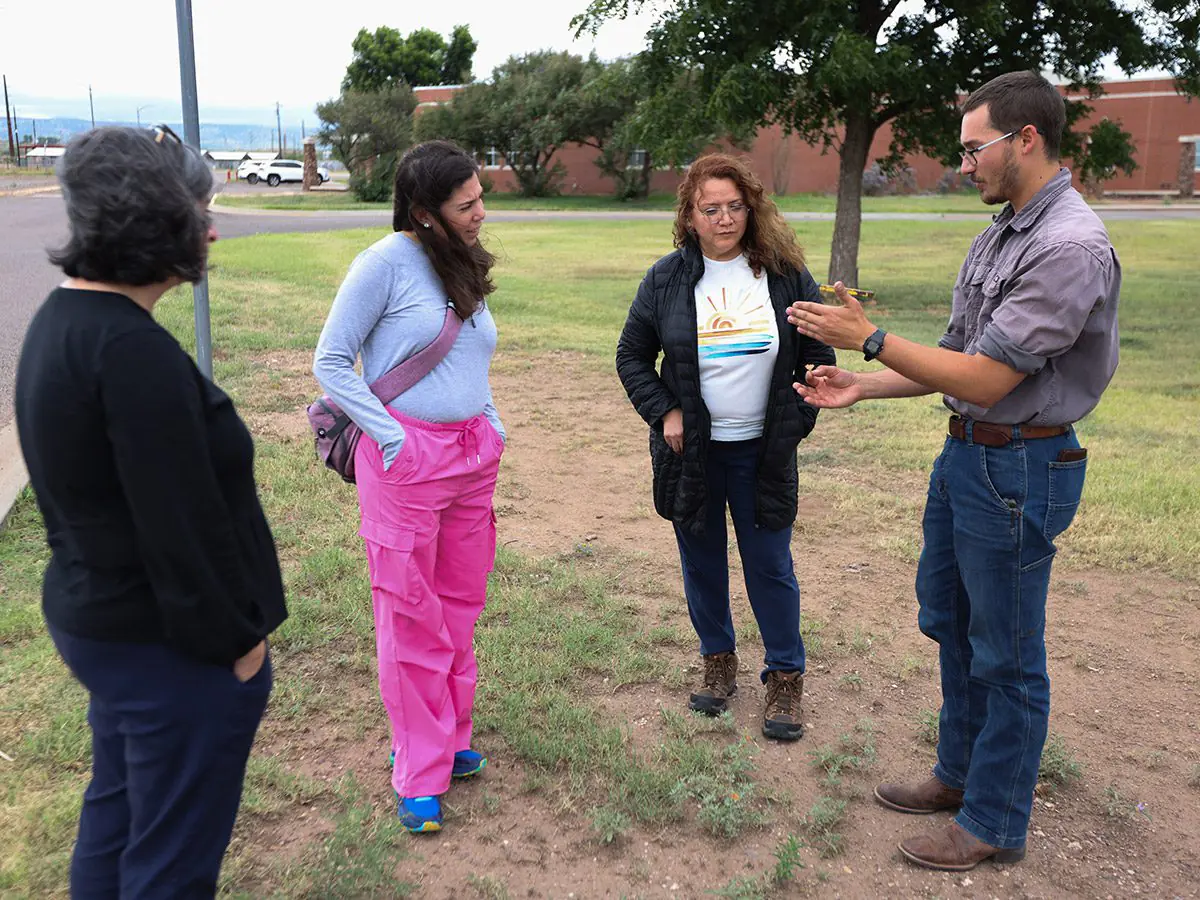
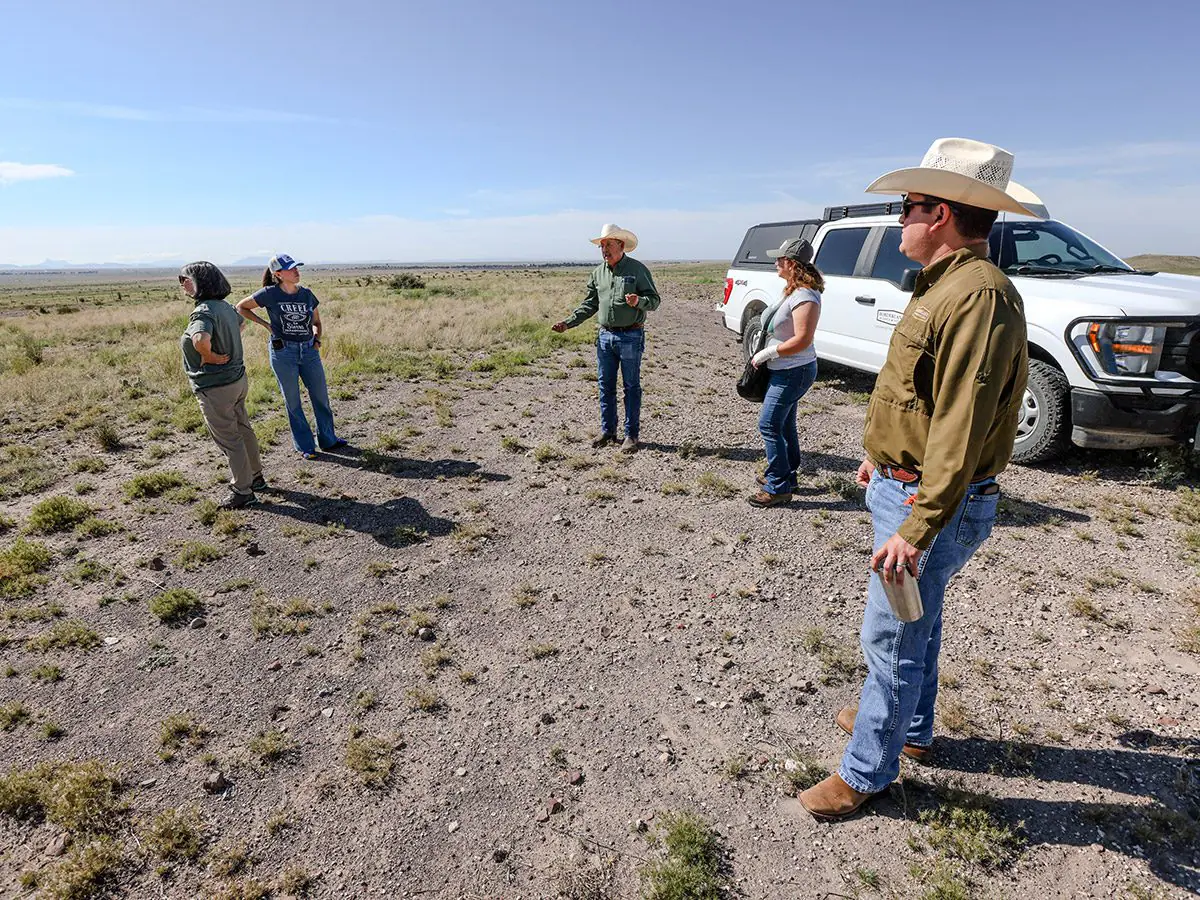
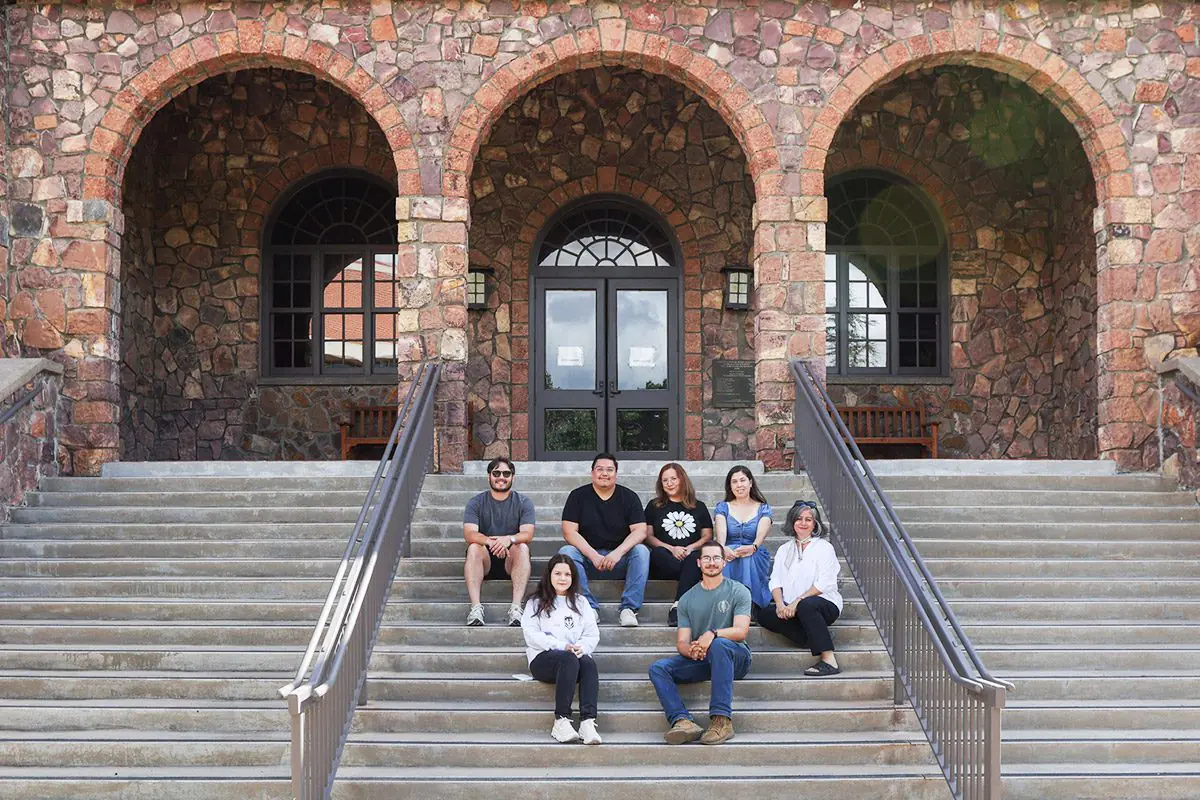
This summer, faculty from El Paso Community College spent a week in Alpine experiencing firsthand the teaching philosophy that has long distinguished Sul Ross and BRI. They didn’t just sit through presentations. They stepped into classrooms, headed into the field and worked alongside the faculty and graduate students who bring the university’s natural resource programs to life.
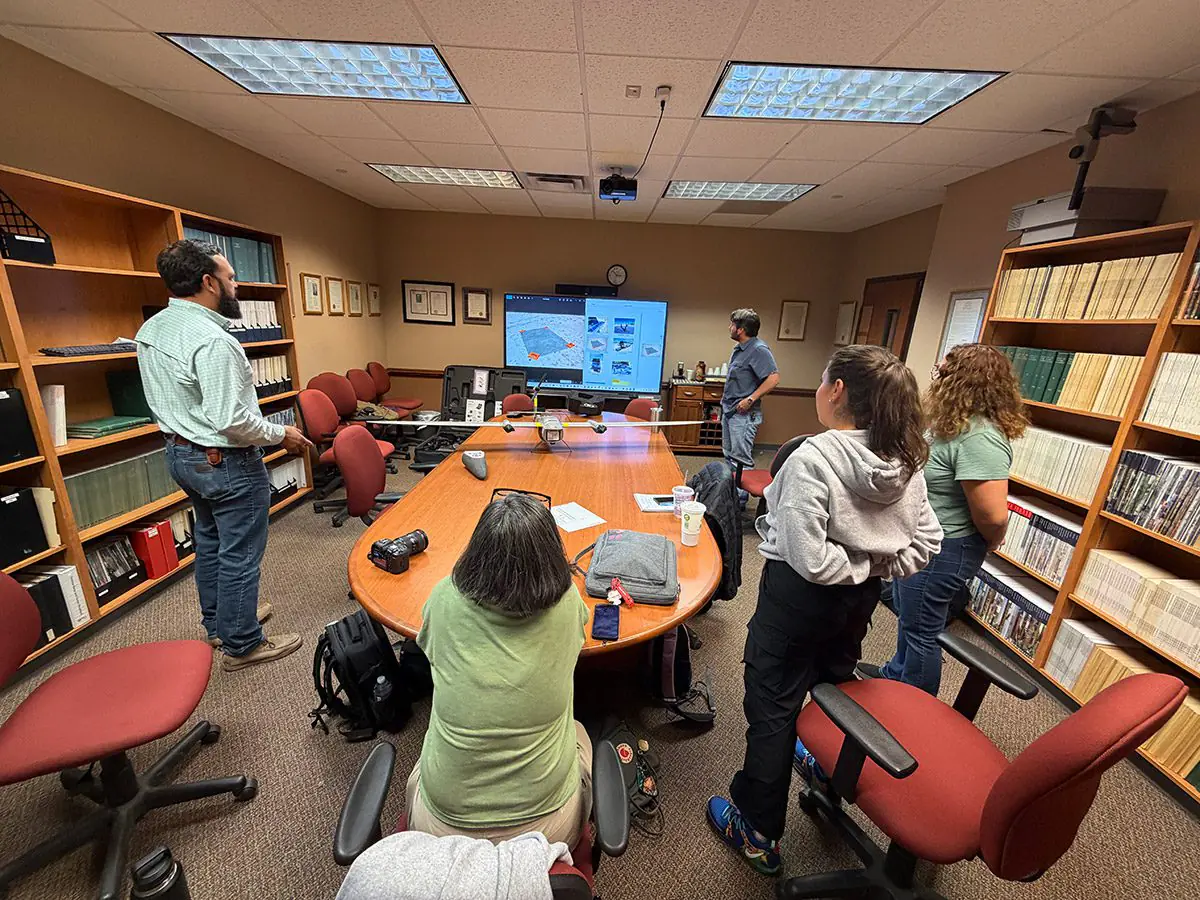
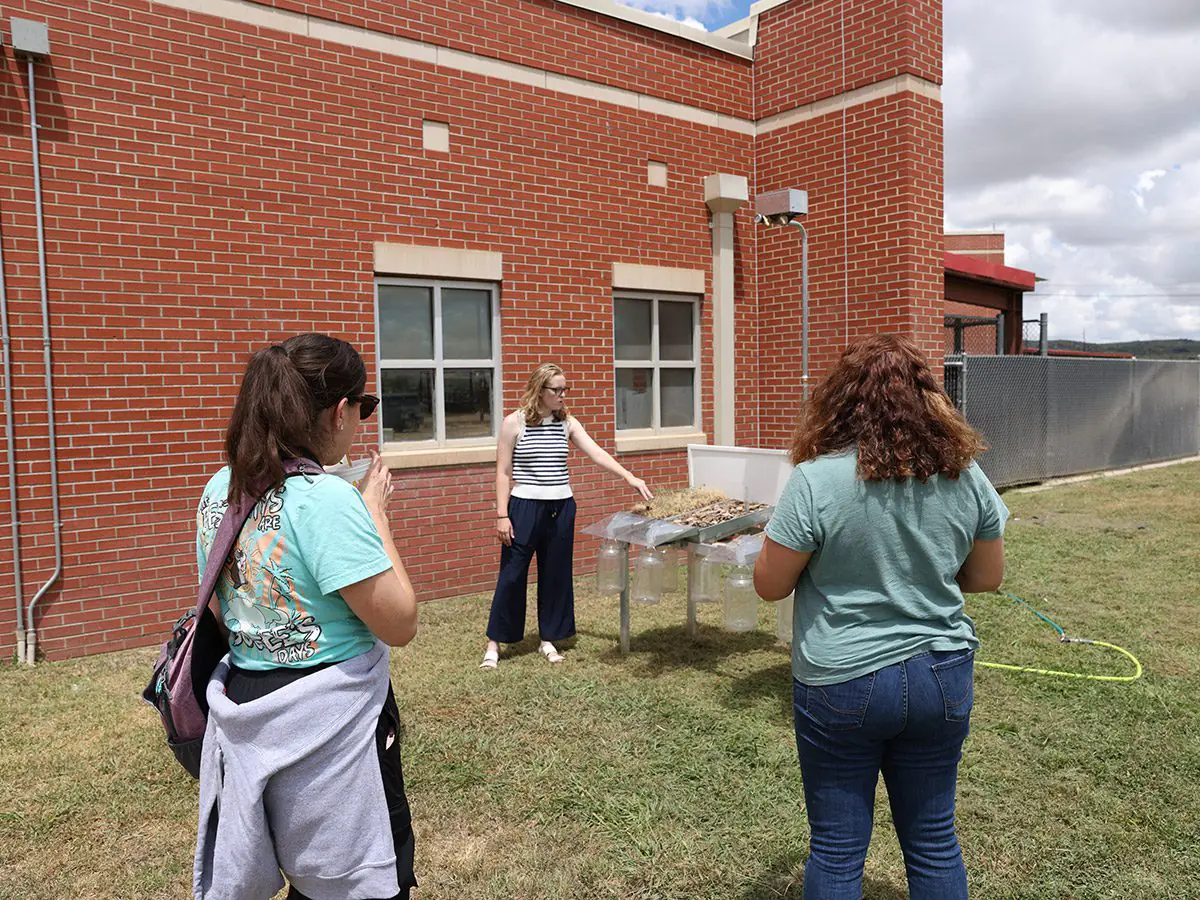
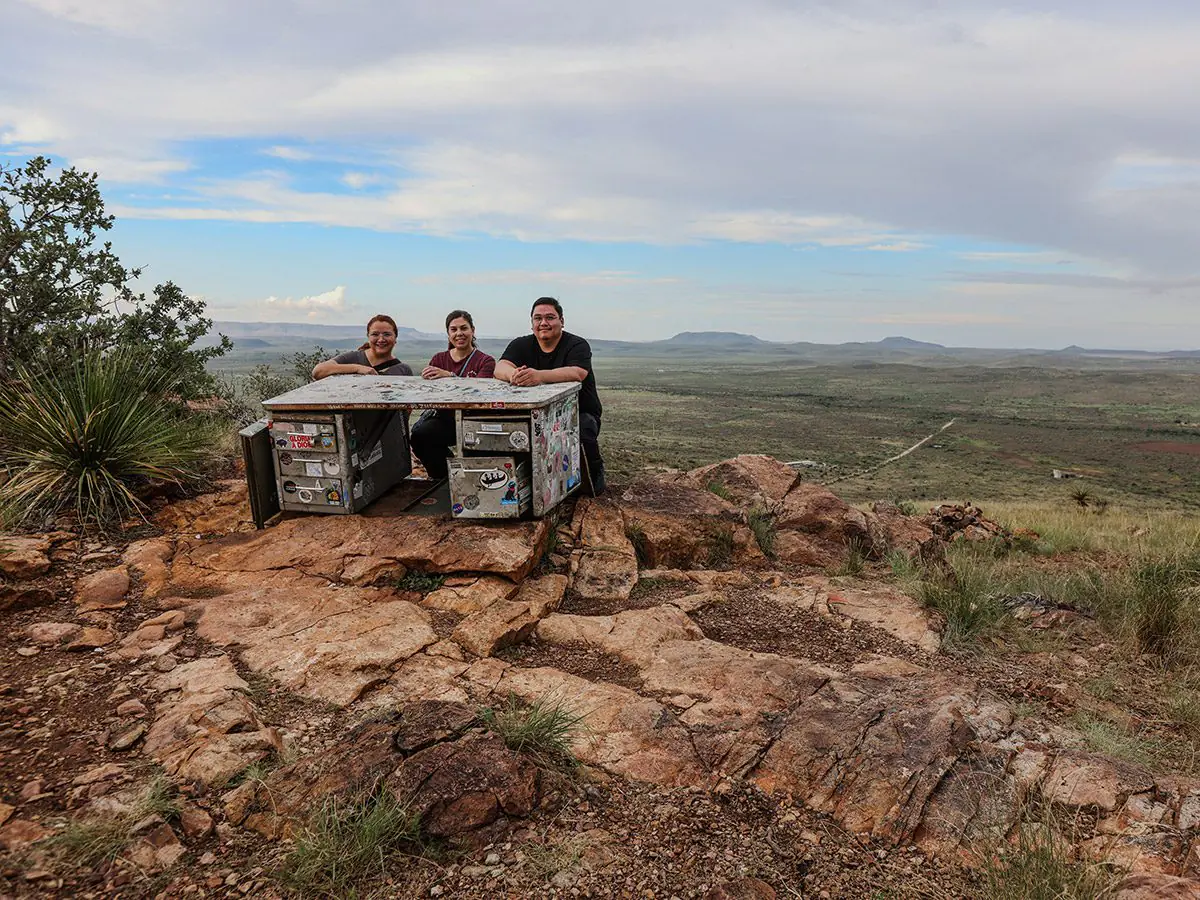
Throughout the week, they explored courses in community ecology, soils, rangeland plants, restoration ecology, biostatistics, data management, desert wetlands, and remote sensing. They learned how drones and GIS technology are helping solve real-world conservation challenges, visited active research sites and working ranches, learned about the new Meadows Research Institute for West Texas Water and met the students conducting research across the Chihuahuan Desert.
“Our greatest strength is the amount of field experience our students receive,” said Dr. Carlos “Lalo” Gonzalez, chair of Sul Ross’ Department of Natural Sciences and associate director of research for BRI. “Nobody gets to do as much fieldwork as we do.”
That immersive approach is exactly what Gonzalez hopes to share through the new partnership.
As faculty from both institutions exchanged ideas throughout the week, they also began laying the groundwork for future collaborations; conversations focused on aligning coursework, strengthening transfer agreements, developing joint research projects and creating opportunities for faculty exchanges, guest lectures and hands-on learning experiences for students.
For Gonzalez, that’s where the real opportunity lies.
“This is really about creating opportunities many of these students might not otherwise have,” he said. “They can complete an associate degree in two years, come here and earn a bachelor’s degree in another two, all while building the skills they’ll need for careers in conservation.
Those opportunities begin the moment students arrive in Alpine.
Rather than waiting until graduate school, undergraduates work alongside faculty on research projects, gain experience with emerging technologies such as drones and remote sensing, complete internships with conservation partners and learn in one of the nation’s most remarkable outdoor classrooms. The Chihuahuan Desert isn’t simply where they study, it becomes part of the curriculum.
The partnership also reflects a shared commitment to serving the Borderlands region. By connecting community college students with field-based education, applied research and faculty mentoring, Sul Ross and El Paso Community College are creating new pathways for students while helping meet the growing demand for skilled natural resource professionals across Texas.
The weeklong exchange marked only the beginning. Both institutions envision a long-term partnership that expands opportunities for students, strengthens research collaborations, and prepares the next generation of conservation leaders to tackle natural resource challenges in Texas and beyond.