Full Circle: Dan Collins Returns to the Place Where His Conservation Journey Began
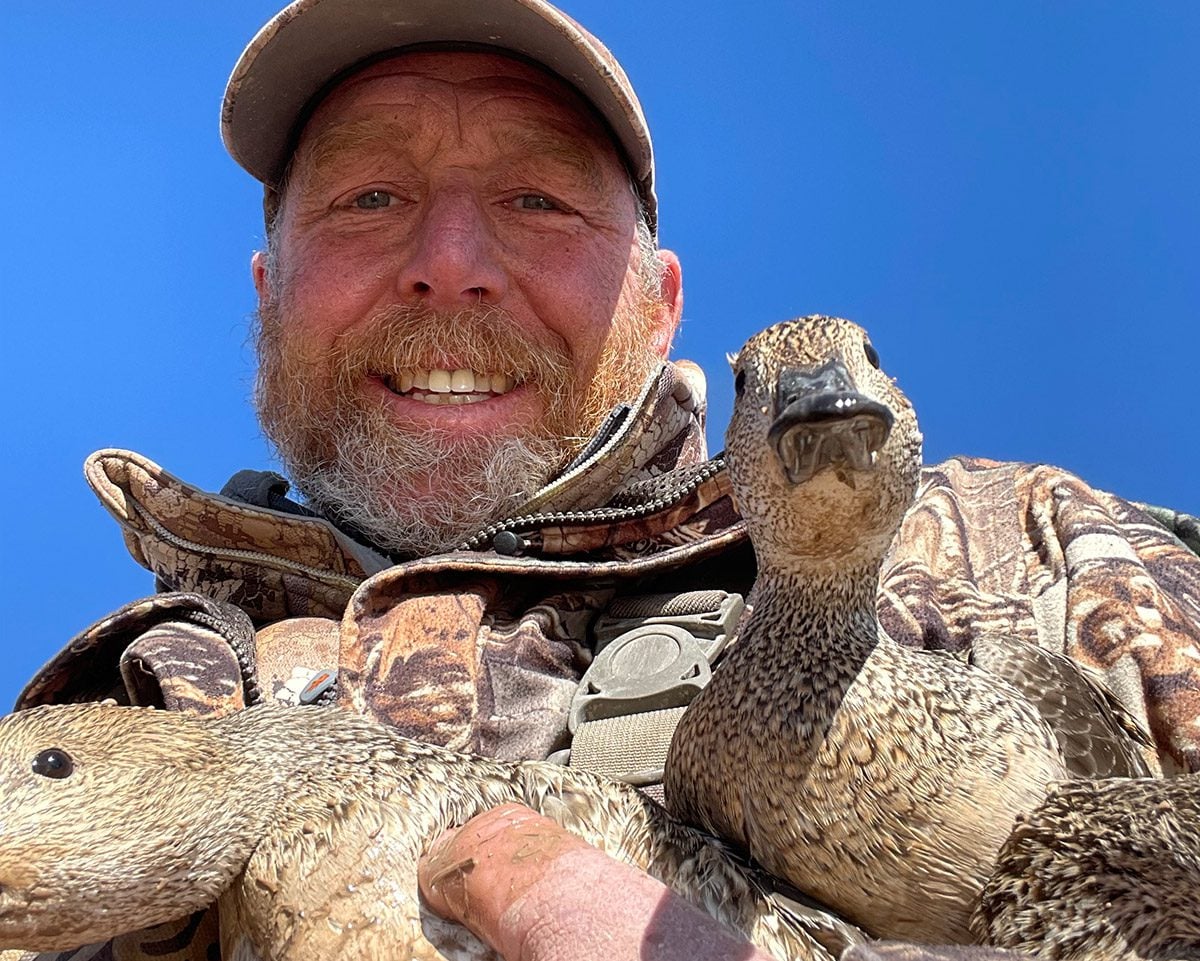
When Dr. Dan Collins first drove from Midland to Alpine more than two decades ago, he wondered if he’d made a terrible mistake.
Growing up in Pennsylvania, Collins knew he wanted a career outdoors, not behind a desk. After earning a biology degree in North Carolina, he searched graduate programs that would put him in the field. One name kept surfacing: Sul Ross State University.
So he booked a flight to West Texas.
“As I was driving south from Midland, I remember thinking, ‘What in the world am I getting myself into?'” he recalled with a laugh. “But once the landscape started changing, I just fell in love with Alpine and the area.”
That decision launched a career he never could have imagined.
Collins arrived at Sul Ross in 2000 as what he describes as “a really green” graduate student. Working alongside Dr. Louis Harveson, he completed his master’s research while discovering something else that would shape his future.
Friends introduced him to duck hunting.
The experience sparked a fascination with migratory birds that led Collins to pursue a Ph.D. in wetland and waterfowl ecology at Stephen F. Austin State University in Nacogdoches. From there, he joined the U.S. Fish and Wildlife Service, where he spent the next 17 years helping guide migratory bird conservation across the western United States.
His work took him from Oregon to Albuquerque and across the Central and Pacific Flyways. He collaborated with wildlife agencies from Texas to Alaska, helped oversee large-scale monitoring programs and contributed to conservation efforts for species including sandhill cranes, northern pintail, mottled ducks and redhead ducks.
Along the way, he never lost touch with Sul Ross and the Borderlands Research Institute.
He collaborated on research projects, mentored graduate students and stayed connected with faculty who had become colleagues and friends.
When the opportunity arose to return to Alpine as an associate professor and senior research scientist, the timing felt right.
“I realized I needed a new challenge,” Collins said. “I enjoyed working with students, and I wanted to get back into the field more. This was an opportunity to do both.”
Today, Collins teaches wildlife population ecology and avian ecology while building a new portfolio of research that expands BRI’s reach beyond West Texas into other arid landscapes across the Southwest. His projects include studies of cinnamon teal in Nevada, Mexican ducks around Balmorhea, sandhill cranes across the Southwest and northern Mexico, playa lake restoration in Texas and redhead ducks in the Laguna Madre.
Just as important, he hopes to create opportunities for the next generation of wildlife professionals.
“I’m hoping to be a team player, help people out and expand the breadth and reach of BRI,” he said. “The institute has always punched above its weight. I want to help it continue to grow.”
For Collins, returning to Sul Ross isn’t simply a new job. It’s a chance to invest in the place that launched his career—and to help today’s students discover the same opportunities that changed his life 26 years ago.