The Return of the Texas Black Bear with Researcher Matthew Hewitt
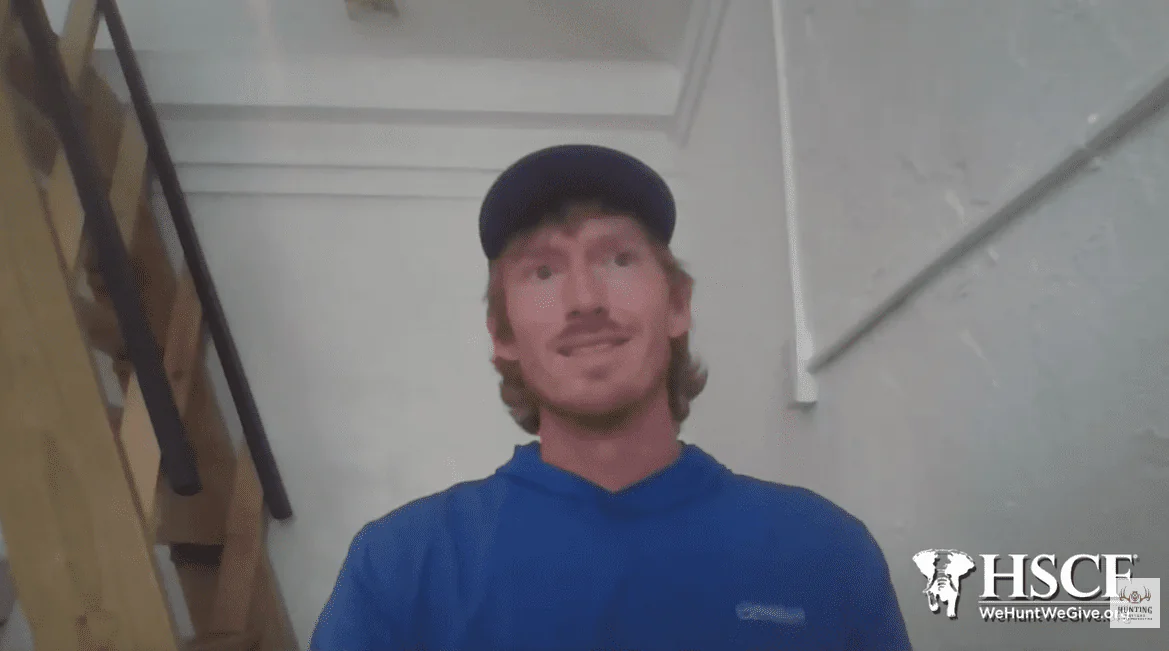
In the rugged landscapes of West Texas, a remarkable wildlife story is quietly unfolding. It’s a story of resilience, recovery, and the return of an iconic species. In this episode of Hunting Matters, produced by the Houston Safari Club Foundation, Matthew Olton Hewitt, a Dan L. Duncan–HSCF Scholarship recipient, black bear researcher, and Ph.D. candidate at Sul Ross State University, is interviewed to explore that story in depth.
Matt’s journey as a wildlife biologist is as interesting as the subjects he studies. From his early days growing up in Kingsville, Texas, to his work with the Oregon Department of Fish and Wildlife, his path has been shaped by a deep-rooted passion for the outdoors and a commitment to conservation. Now, through his work with the Borderlands Research Institute, he is at the forefront of studying black bear populations in the Trans-Pecos region. Here, he talks about watching the species’ natural comeback after decades of absence.
Once completely extirpated from Texas by the 1950s, black bears have made an extraordinary return, naturally recolonizing the region, migrating north from northern Mexico since the late 1990s. Matt’s research sheds light on how these populations are growing and how scientists are using innovative tools like trail cameras, genetic analysis, and GPS tracking to better understand their movements and numbers across vast and challenging terrain.
Beyond the science, this conversation touches on what the resurgence of black bears means for the people who share the landscape with them. As interactions between humans and bears become more common, Matt provides practical insights on coexistence and highlights the role that landowners, hunters, and local communities play in supporting conservation efforts.
This episode offers not only a fascinating look at one species’ comeback but also an inspiring glimpse into the future of wildlife conservation and the next generation of biologists helping to shape it.